Login
WATCH FREE
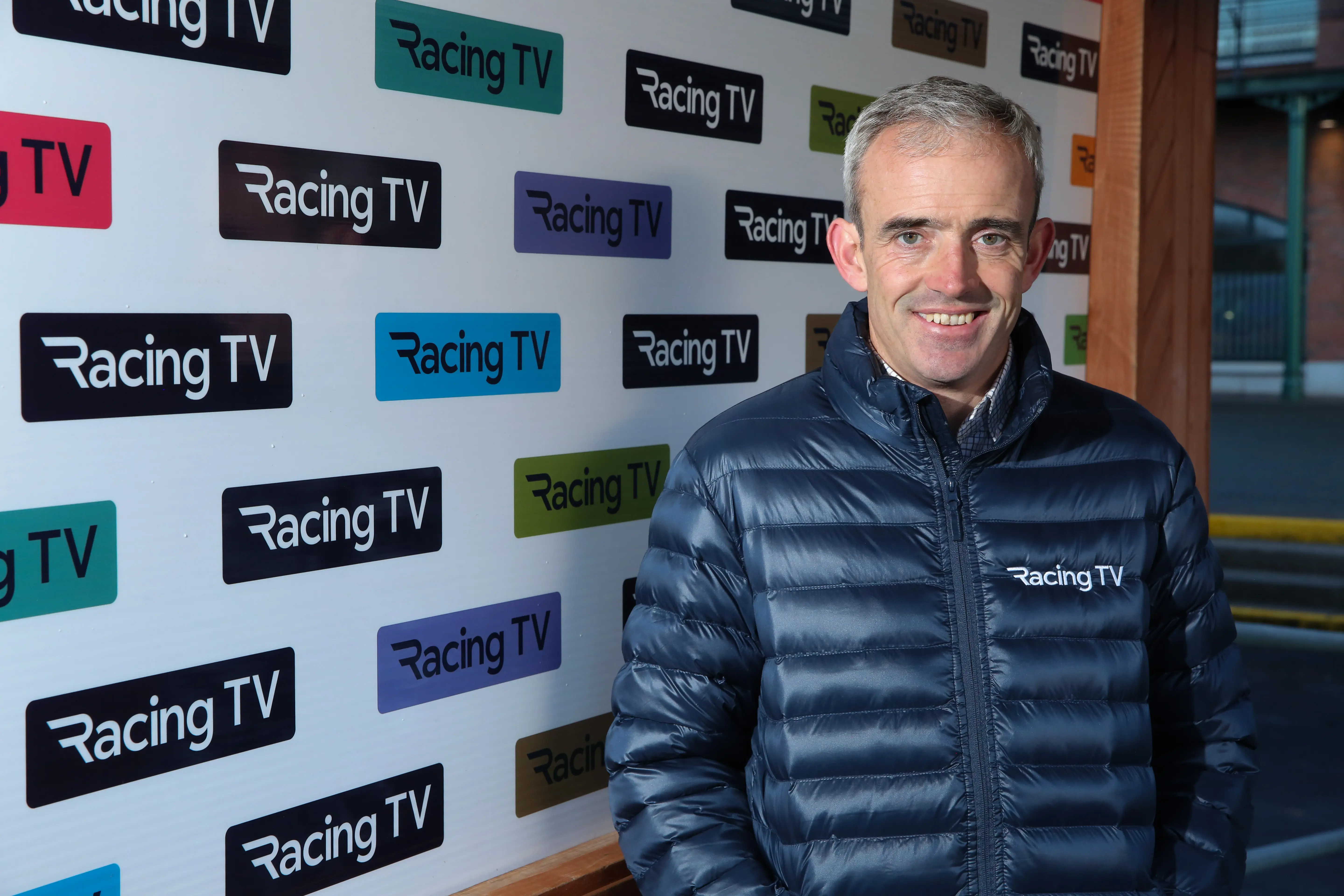
Ruby Walsh: "second is nowhere at the Festival"
By Racing TV
Last Updated: Wed 4 Mar 2026
The Walsh family name has been synonymous with horse racing for many decades, with Ted a top amateur rider before joining the training ranks following the death of his father, and two of Ted’s children - Ruby and Katie - dominating in the saddle, including at the Cheltenham Festival.
While Katie is still the third most successful female jockey having recorded three winners in the pre-Rachael Blackmore era, Ruby is the leading rider at the meeting, his 59 winners helping him become the leading jockey on 11 occasions between his first , Alexander Banquet in the 1998 Champion Bumper, and last winner, Klassical Dream in the 2019 Supreme Novices' Hurdle.
Now one of the sport’s leading TV analysts, Ruby claims to hold no secret to success at the meeting, but a singular approach to riding in races at the Cheltenham Festival helped minimise the pressure that he felt. “When you break it down, the Supreme is just a novices’ hurdle, and the Arkle is just a novices’ chase. They are still the same races as you’re riding in, week in week out, and if you can just remove the title and forget about the occasion and just ride the race it tends to be easier,” he explains.
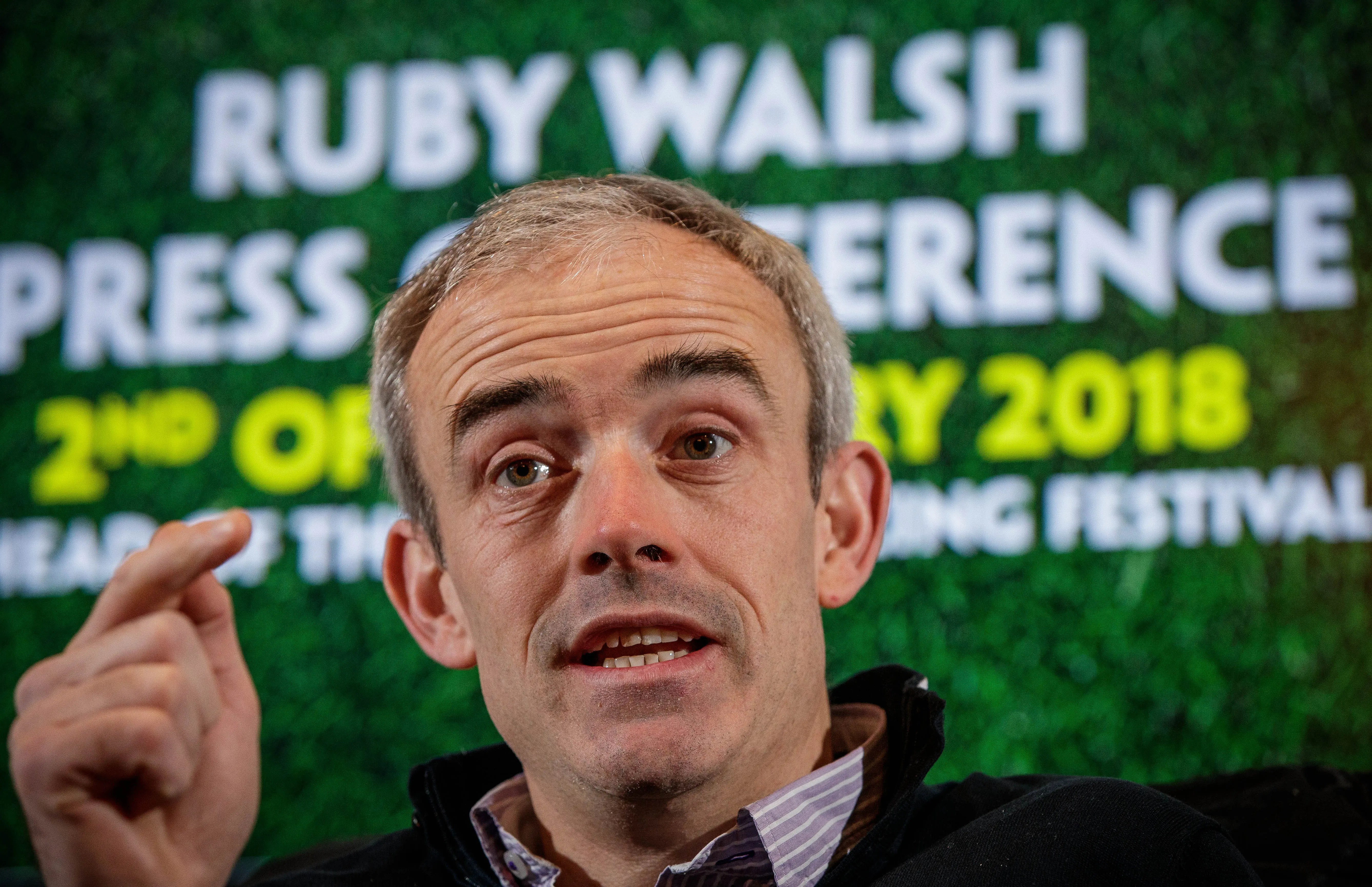
“Second is nowhere in sport," says Ruby Walsh.
No-one is perfect, however. When asked which race he would go back in to ride again, Walsh’s answer is succinct. “I’d want to ride Commanche Court in the Gold Cup. It’s always that one, to have an opportunity to do it right instead of wrong.”
The ride in question came in the 2002 Gold Cup won by Best Mate, with Walsh’s patient ride rewarded with a silver medal but unanswered questions of whether gold would have been possible with a more positive approach to the three and a quarter-mile contest. But tactics, explains Walsh, are not the be-all-and-end-all.
“I look at other sports and some teams that are shackled by tactics, and you’re thinking to yourself, ‘lads, you’re on the pitch, change something,’” he explains.
“It’s the same as riding in a race. You get a set of instructions and all of a sudden the tape goes up and what you thought was going to happen doesn't happen.
“You have to rely on instinct and if you’re putting the jockey on a horse, you have to have trust. But if the instructions become useless, you have to change tactics.”
Known as one of the best judges of tempo, Walsh’s most famous Cheltenham Festival rides are often associated with a patient grace in the saddle, but his instincts were seen to good effect on many occasions, including when making all of the running on Champagne Fever in the 2013 Supreme. And he believes that positive tactics on the best horses yield the best results.
“People say, ‘oh, making the running is the hard way’, but if you’re riding the best horse, making the running is not the hard way because you’re able to go at a speed that the opposition just can’t keep up with.”
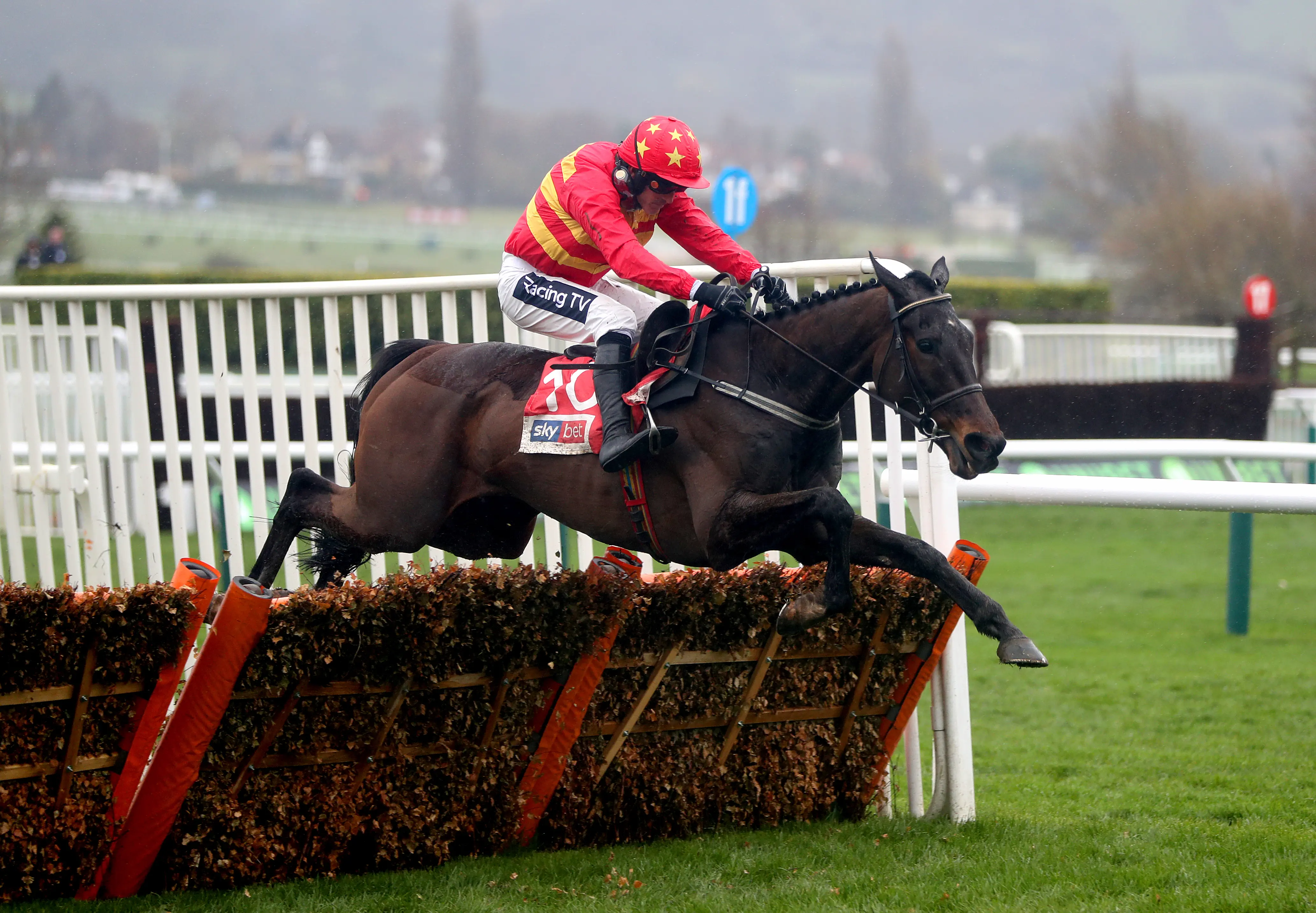
Klassical Dream: Ruby Walsh's 59th and final Cheltenham Festival winner.
Clearly, as stable jockey for a then-dominant Paul Nicholls before switching to riding for Willie Mullins, Walsh was quite often on the best horse. Coupled with his own desire to win, the results often seemed inevitable thanks in part to the rider’s will to win. After all, this is a man who once lived with AP McCoy, a man for whom 4,000 winners was barely enough.
Walsh recalls: “If you're not looking at what the lads around you are doing and trying to get up to their level, you're going to find it hard to compete. And I was in a generation where you had to compete with AP.
“Cheltenham is great, but there’s a big difference from turning left in the winners’ enclosure to where the placed horses go, and heading straight down the middle to the signpost with a big number one on it.
“Second is nowhere in sport; we rarely remember who finished second.
“Sport is about participation, which is important culturally and socially, but that’s when you’re doing it for fun. It’s very different when it’s a business, and there’s some difference between first and second. The winner gets 60% of the prize money, the second only gets 20%”
Given the way Walsh still speaks of the sport, it’s obvious that he always gave 100% in the saddle. He may be one of the more laconic figures in the ITV studio at Cheltenham – more John Francome than Matt Chapman – but there’s little doubt that this is one of the weeks that stirs the memories of the wins (or, indeed, near-misses) that helped define his career.
CHELTENHAM RUNNER-BY-RUNNER GUIDES:
MORE CHELTENHAM CONTENT

Racing TV encourages responsible gambling - to find out more click here to head to our dedicated website page.
Related posts
Under The Radar: Paddy Magee nominates three to follow
Ross Millar's Monday tips: "he is undeniably well handicapped"
Bond Thoroughbreds: the inside track on their top team
Trustyourinstinct flies home to land Curragh Cup
William Buick set to be reunited with Touleen at Ascot
Featured offers
Bet £10 get £40 in free bets with Kwiff
T&Cs Apply
Claim Now
Bet £10 get £30 in Free Bets with TalkSportBet
T&Cs Apply
Claim Now

Bet £10 Get £40 in free bets + Money back 2nd to SP fav with BOYLE Sports
T&Cs Apply
Claim Now

Bet £10 get £30 in Free Bets with BallyBet
T&Cs Apply
Claim Now

Get a £50 free bet when you bet £50 with Coral
T&Cs Apply
Claim Now
Copyright 2026 Racing TV - All Rights Reserved.
Please bet responsibly
Copyright 2026. All rights reserved