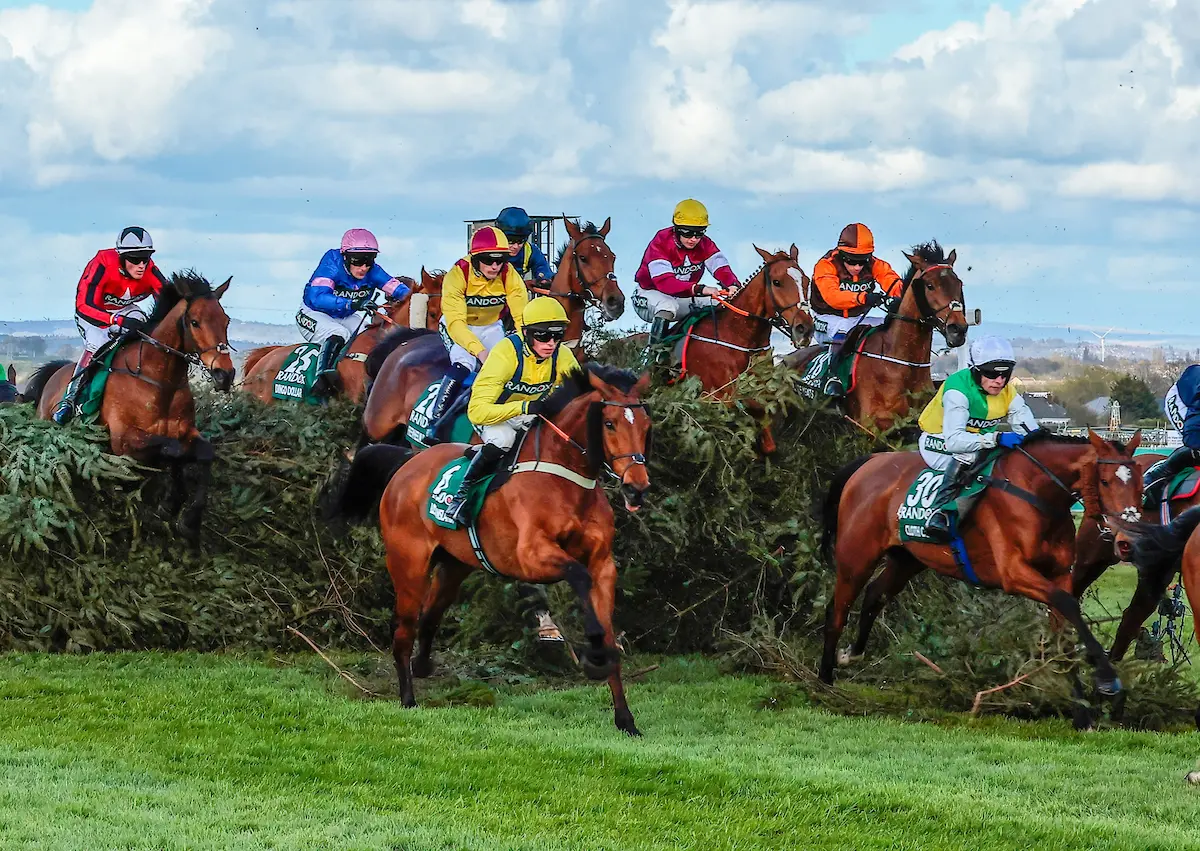
Comment: Less can equal more in the world's greatest race
By Andy Stephens
Last Updated: Tue 5 Dec 2023
There are few certainties in racing, but you can guarantee that any tinkering with the Grand National will stir a range of reactions and emotions.
Some will argue the latest changes announced by The Jockey Club do not go far enough. Others will accuse the guardians of the race of failing to stand firm, and cowering to the protestors who did their best to halt this year’s renewal and want the throughbred breed to be exterminated.
There was probably similar rancour in the mid 1840s when the race’s organisers opted to remove the stone wall that had to be negotiated in the early renewals. And in 1862, too, when the death of jockey James Wynne, killed after his mount was brought down at The Chair, triggered other alterations.
The Jockey Club and Aintree are trying their best in something of a no-win situation. Make changes and incur the wrath of the traditionalists weary of the sport being diluted. Don’t make changes and risk being accused of being asleep at the wheel and chastised by the wider public.
They've got to find a middle ground. And they have.
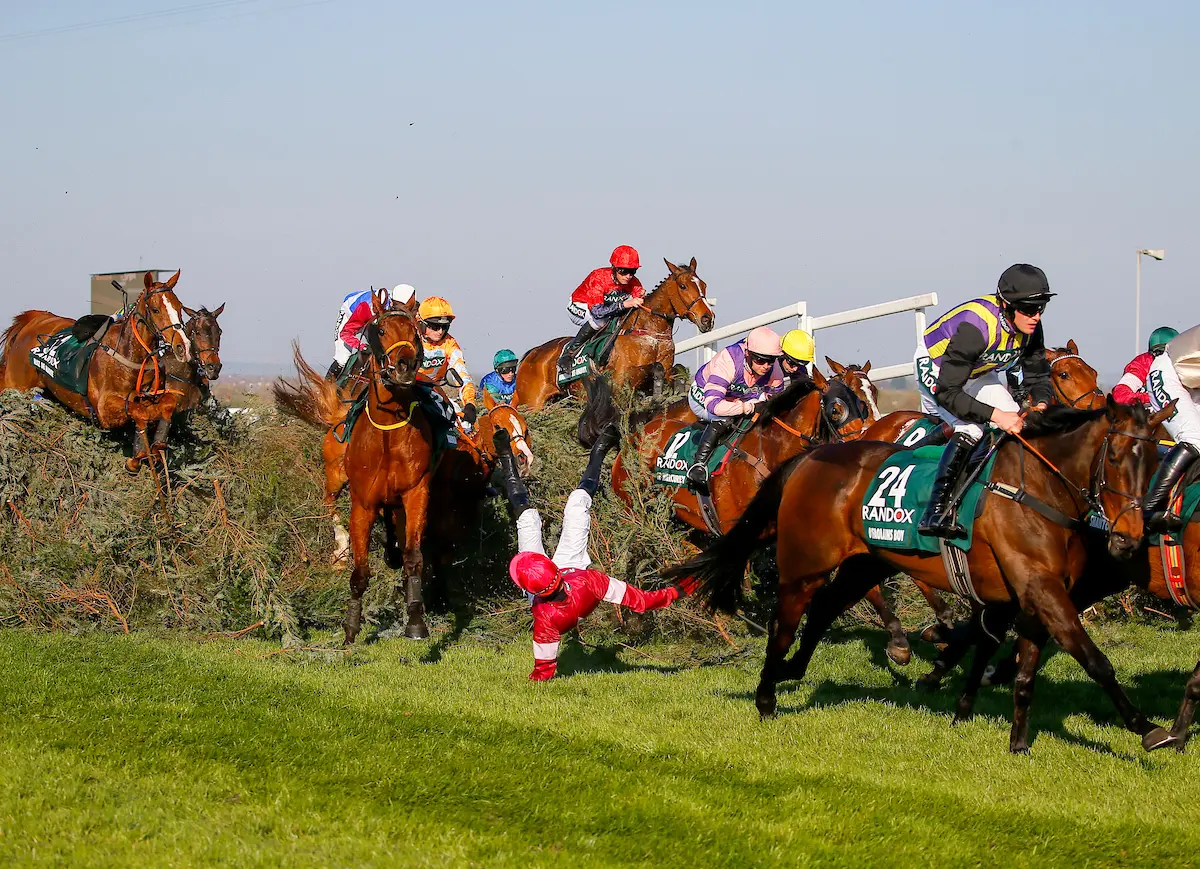
The Grand National will feature a maximum of 34 runners from now on (focusonracing.com
Racing fans need to acknowledge that the Randox Grand National is a race like no other. 99.9 per cent of racing exists in its own bubble. This race slipped outside that bubble long ago. It is the sport’s biggest shop window, watched by a colossal global audience. Whatever unfolds during its nine minutes is how many people perceive the sport to be overall. A 5f maiden at Haydock isn’t going to matter a jot or balance things.
The glare and attention can be excruciating. There’s a heck of a lot riding on it. And the stakes are getting higher after five deaths in the past four renewals, even if two of them happened while the horses were running along on the flat between fences.
Forty runners have been deemed acceptable for 40 years but it’s now been concluded that is six too many and that less will hopefully equal more. The Jockey Club will have crunched a lot of numbers and juggled a lot of data to get to that figure.
They will have been conscious that dipping below 34 – say 30 – would have only encouraged those in the race to go even faster from the outset. It will be a surprise if there is any further reduction with maybe even the scope to push back up by one or two should things go well over the years ahead.
Reducing the field size by 15 per cent will provide more room to manoeuvre throughout the four-and-a-quarter mile race, where 30 fences (14 of which are jumped twice) must also be negotiated. It will also make life a little easier for those of us who annually dust off the shiny pin to try and identify a winner.
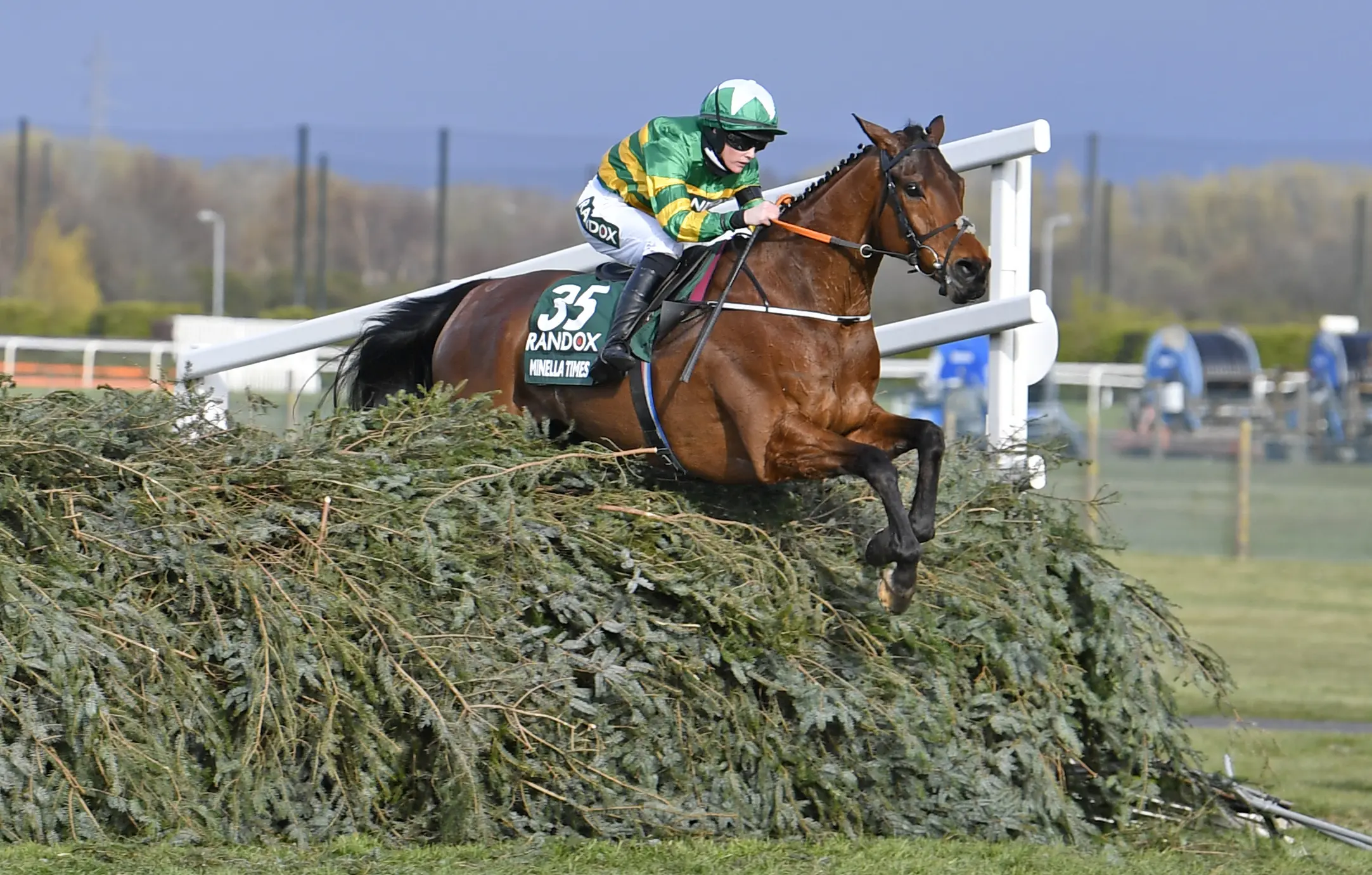
Minella Times and Rachael Blackmore, number 35 in the race, on their way to an historic Randox Grand National success (Photo: Focusonracing)
On the downside, fewer trainers, jockeys and owners will be able to enjoy the thrill of a contest that once featured as many as 66 runners. The 34th horse in this year’s renewal was Eva’s Oskar, who had an official rating of 143, and would-be winners will no doubt find themselves surplus to requirements.
For example, Aurora’s Encore would not have made the cut in 2013 and Minella Times was horse No 35 on the racecard when making history under Rachael Blackmore just two years ago. That has been one of the race’s greatest stories. And it’s not short of them.
Standing starts will prevent runners getting away at a trot and alleviate other jockeys fearing the prospect of rivals getting a head start on them. They should also eradicate the unwelcome false starts that have often occurred. The most famous example of that came in void 1993 edition “won” by Esha Ness when 30 of the 39 horses false started but continued to race.
However, getting 34 thoroughbreds to stand still and all point in the right direction can be problematic, too, especially given the tension and excitement of the day. Horses can plant themselves or be very slow away. But in racing there are endless variables, so we should not too hung up about the prospect of that.
Changes to the paddock walkways and parade can only help. Any horse man or woman will tell you horses resent all the pre-race paraphernalia and that most simply want to get on with things.
The earlier start time is also a win-win. It will help avoid the possibility of ground drying out and the 80,000 racegoers will be a little calmer. Like at any lengthy sporting occasion, such as cricket or golf, crowds get noisier the longer the day goes on and the liquid refreshment sinks in.
Let’s hope we can all raise a glass in triumph over the years ahead.
WATCH AND READ MORE

Related posts
RaceiQ runner-by-runner guide to the 2026 Grand National
Saturday ante-post tips: Alex Scott bids to follow up 25-1 winner
Nicky Henderson: updates on my stable stars for Aintree
Racing TV presenters and pundits nominate their Flat horses to follow
Future of Chelmsford racecourse in doubt as track loses license
Featured offers
Bet £10 Get £50 in free bets in Multis with Betfair
T&Cs Apply
Claim Now

Bet £10 get £30 in free bets with Virgin Bet
T&Cs Apply
Claim Now

£30 in free bets when you bet £5 with Ladbrokes
T&Cs Apply
Claim Now

Get a £50 free bet when you bet £50 with Coral
T&Cs Apply
Claim Now

Bet £10 Get £40 in Free Bets + money back if 2nd to SP fav with Boyle Sports
T&Cs Apply
Claim Now
Copyright 2026 Racing TV - All Rights Reserved.
Please bet responsibly
Copyright 2026. All rights reserved