
Ruby Walsh: Changes will help ensure Grand National's future
By Andy Stephens
Last Updated: Tue 5 Dec 2023
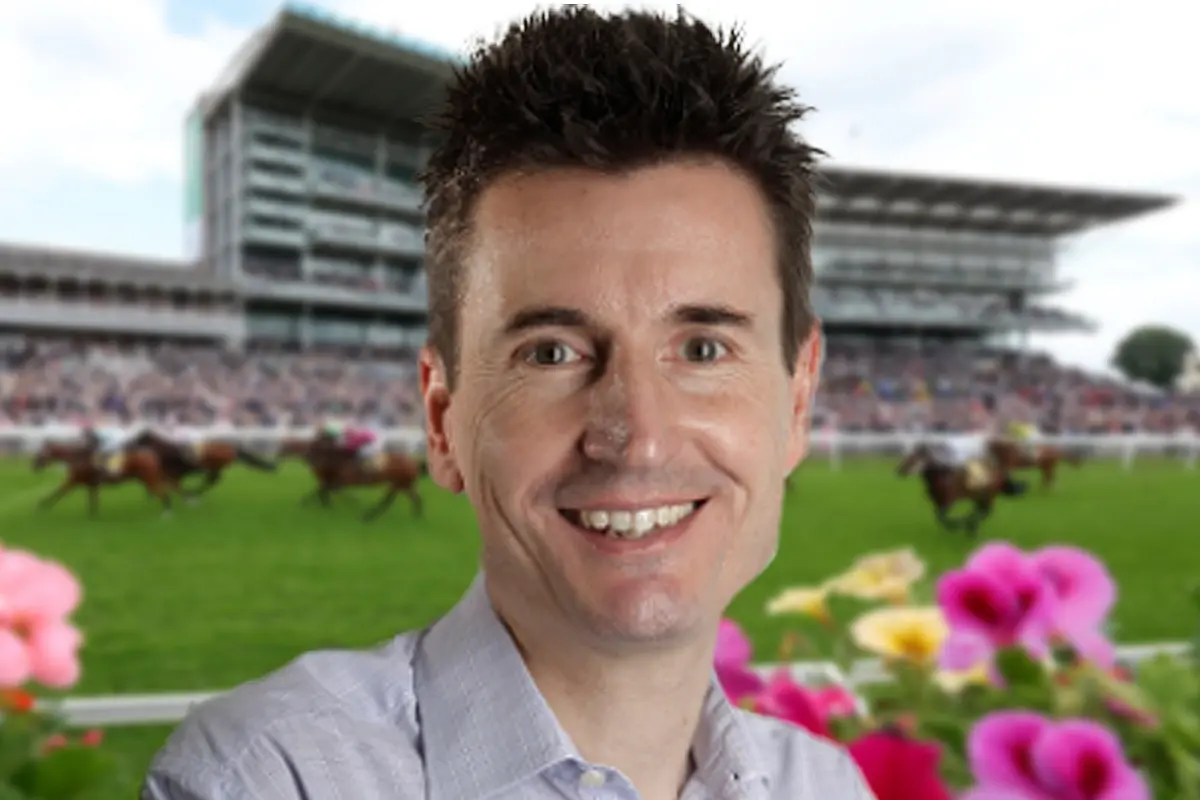
Two-time Grand National-winning jockey and top Racing TV presenter Ruby Walsh believes the changes being made to the race are part of its evolution and will “help ensure its future”.
Walsh enjoyed two of his finest days in the saddle at Aintree, guiding Papillon to glory for his Dad, Ted, in 2000, before also winning on the Willie Mullins-trained Hedgehunter five years later.
Now a leading pundit on Racing TV and ITV Racing, he said: “The Grand National is the showcase event for a sport I love dearly. It’s iconic and I don’t think you can overstate how important the Grand National is – it’s a Saturday in April when non-racing people watch our sport. People enjoy it and it’s up to us in racing to make sure that they continue to enjoy it.
“I think these changes represent the evolution of the Grand National. The world is ever-changing and the Grand National and indeed horseracing, like any other sport, has to be prepared to change. Risk can never be removed but you have to try and minimise it.
“Horse welfare is a huge part of horse racing – it’s a team sport between horse and rider and we are responsible for the welfare of the horse. I think the changes announced today by The Jockey Club will enhance the Grand National as a horse race and help to ensure its future.
“I would say the biggest effect of the earlier start time will be with the ground. We all know what a big conversation climate change is in the world and it’s very hard to keep the whole of the Grand National course on the soft side of good with the race being run later in the afternoon.
“With the rolling start, horses tended to bunch towards the inside but with the re-introduction of a standing start they will have to be spread out across the track which will give them more room going towards the first fence. The first fence is also going to be closer to when jockeys look up and see it they are more likely to be in a straight line and they should jump it before they track across the course. The effect of that should hopefully be to create less speed. The slower you go, the safer things are. Horses are competitive and will race each other but these changes should help to slow down both horse and rider.
“An effect of being able to bypass fences and the levelling off on the landing sides of fences means that more runners bunch towards the inside and therefore the reduction in field size will in my opinion make a considerable difference.
“You hope small things make for big progress. A lot of thought and effort has gone into this process – it was a proper and thorough review. For me, it’s evolution. It was 10 years since the last changes were made and you can look and see what has worked and what needs to be evolved.
“There are lots of people who don’t like change but all sports change. Soccer is not the same game it was 30 or even 15 years ago and looking at the Rugby World Cup, rugby has had to evolve. Racing is the same in that we have to evolve to ensure the future of the sport.”
Russell supports changes
We caught up with Russell, her partner Peter Scudamore and Corach Rambler shortly after this year's race
Two-time Randox Grand National-winning trainer Lucinda Russell, who saddled One For Arthur (2017) and Corach Rambler (2023) to success in the Aintree spectacular, has also given her support to the changes.
She said: “I think these changes announced are a clear sign again that Aintree and The Jockey Club continue to be proactive in trying to support the Grand National and the wider sport of horseracing.
“I am fully supportive of reducing the field size and I don’t feel that six fewer runners will make a difference to the heritage of the race – it can only be a good step and hopefully will help improve the start procedures.
“As regards moving the first fence, the further you go then the more speed you are going to pick up so logically it should mean they approach it slower. I know that it’s tricky for the jockeys to manage their speed as it’s such an important race and everyone is vying for a good position.
“Aintree do a wonderful job in always producing perfect ground conditions; it is ground on the soft side of good which is the way it should be. The level of welfare in racing is phenomenal and something we should be proud of. Once again Aintree is trying to make things safer.”
A "welcome step" says RSPCA
Emma Slawinski, RSPCA Director of Policy, said: “This is a welcome step from The Jockey Club and we are very pleased to see the organisation taking horse welfare seriously and making changes to the Grand National as a result, including decreasing the current maximum number of runners.
“We have always urged horseracing authorities to act on the wealth of science and evidence and believe this is the only way to demonstrate a commitment to improving and protecting horse welfare and ensuring a good life for those involved in the sport. The BHA and The Jockey Club will know that the RSPCA will continue to urge them to go further for the good of horse welfare.
“We believe that racehorses should have a good life on and off the track and should never be exposed to unacceptable risk of injury or death. Any steps from The Jockey Club to meet that aim are a positive step forward, we look forward to seeing this announcement pave the way for further changes and remain keen to work with them.”
WATCH AND READ MORE

Related posts
Katie Midwinter has one more Naas tip after two winners
Naas report: Causeway follows in hoofprints of Paddington
Sunday tips: Angus McNae begins with two winners
Saturday tips: Dave Nevison's best bets in the handicaps
The 2026 Grand National: guide to all the entries
Featured offers

Bet £10 get £30 in free bets with Virgin Bet
T&Cs Apply
Claim Now

Bet £10 Get £30 in free bets in Multis with Betfair
T&Cs Apply
Claim Now

Bet £10 Get £40 in Free Bets + money back if 2nd to SP fav with Boyle Sports
T&Cs Apply
Claim Now

Get a £50 free bet when you bet £50 with Coral
T&Cs Apply
Claim Now

£30 in free bets when you bet £5 with Ladbrokes
T&Cs Apply
Claim Now
Copyright 2026 Racing TV - All Rights Reserved.
Please bet responsibly
Copyright 2026. All rights reserved