Login
WATCH FREE
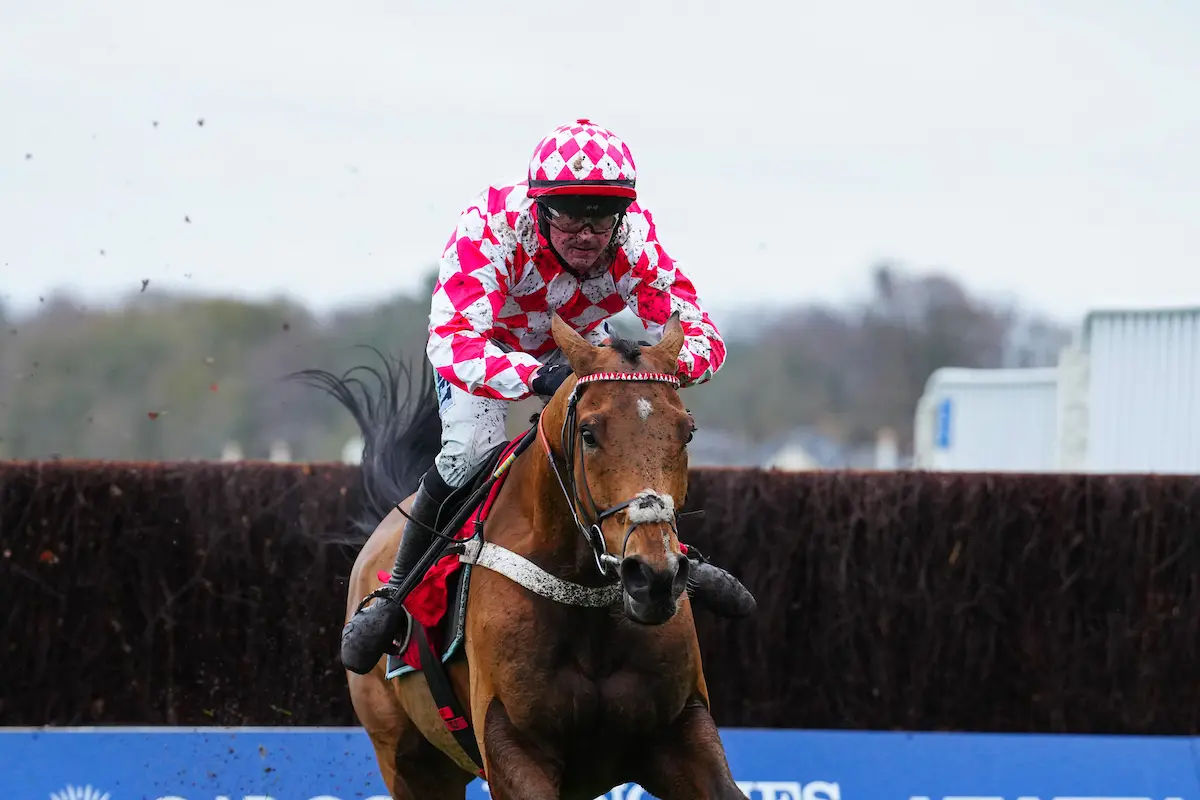
Matt Tombs: Christmas trends and a 16-1 bet for the Gold Cup

By Matt Tombs
Last Updated: Thu 25 Dec 2025
Racing TV's Christmas offer - get 50% off!

December 26 is the first day of a glut of quality racing before the end of the year. By the time a lot of punters’ heads have cleared from the excesses of Christmas Day we should be seeing plenty of Festival clues.
The King George is the day’s showpiece and its record as a Cheltenham Festival trial is one of the best illustrations of how power has shifted westwards across the Irish Sea. In simple numerical terms it’s the best trial all season for the Festival having produced the most winners this century – 17. However the past nine King Georges have produced only Envoi Allen (2023 Ryanair.)
When looking at the King George as a Gold Cup trial it’s necessary to focus on just how different the nature of the two races are. Three miles on a flat right-handed track versus an extended three and a quarter miles on an undulating left-handed track. That’s especially the case as they tend to go a quick, unrelenting gallop in the King George, whereas on the undulations of Prestbury Park the tempo tends to vary.
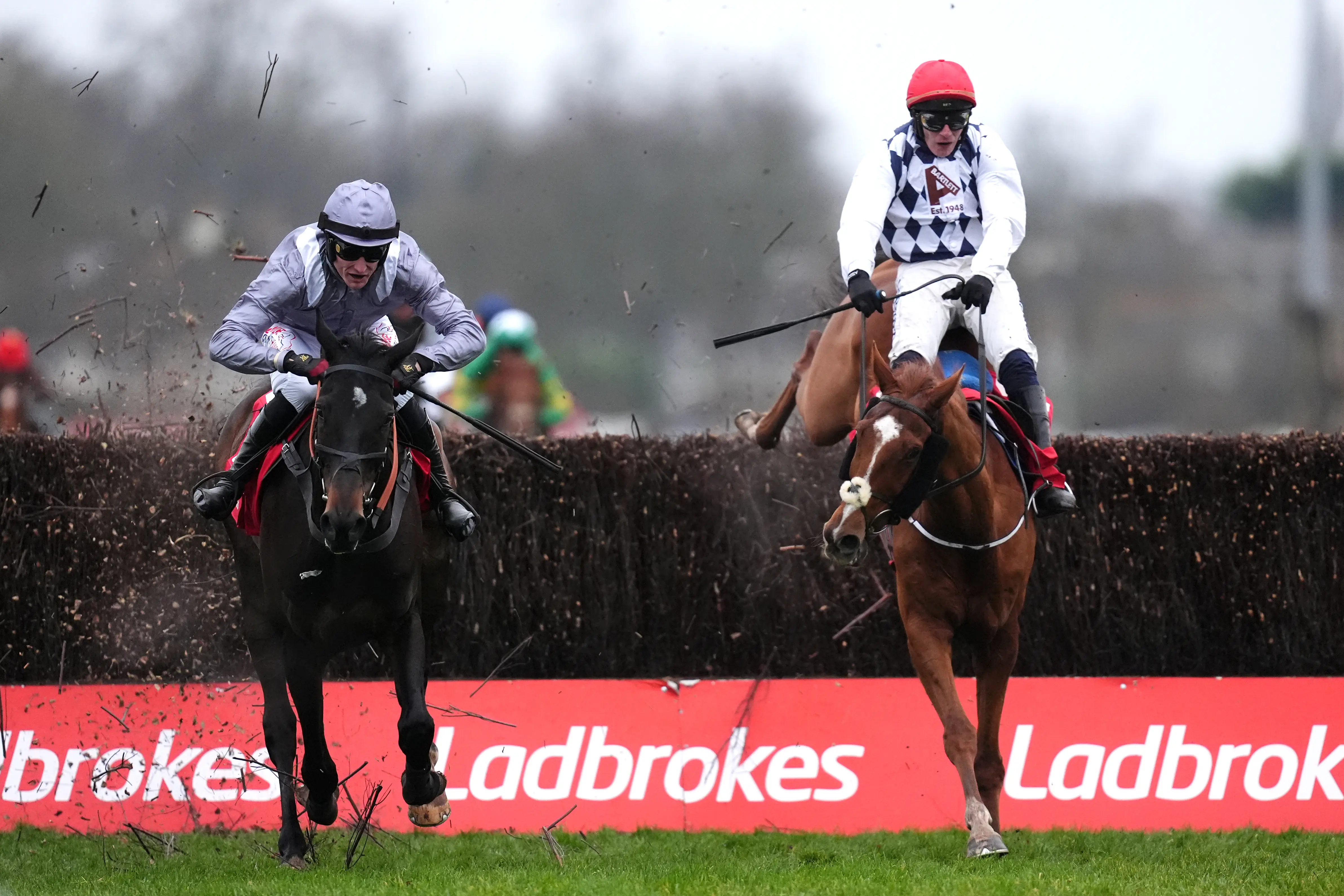
That fast, unrelenting tempo is rare in a staying chase and makes the King George an idiosyncratic test that plenty of top-class staying chasers don’t take to, Imperial Commander a particularly stark example. Of the nine Gold Cup winners the King George has produced this century, four were beaten at Kempton. When I’m looking at Gold Cup contenders, I’m forgiving of a bad King George run if the rest of their form stacks up.
The next point was especially relevant when the King George was attracting more of the main Gold Cup contenders but even nowadays I think it’s a tough race for second season chasers to win. Jumping at the fast tempo compared to other races in the division puts more of a premium on experience.
In addition with the season so spring focused now, the second season chasers often have even less experience in open company coming into what used to be the mid-season championship race. I’d be worried that The Jukebox Man, who will be having his first run in open company, might not be battle-hardened enough for this.
Second-season chasers in the King George
First and second season chasers are 5/56 in the King George this century (68% loss). Four of the five winners ran in the Gold Cup finishing 1122, (all four were second season chasers.) That’s how good you need to be to win the King George as a second season chaser.
Whilst they would be taking on more formidable opposition from Ireland in the Gold Cup these days, I still think any second season chaser with the class to overcome their inexperience and win a King George ought to be a major player in the Gold Cup.
Jango Baie was hugely impressive in the 1965 Chase at a time when Nicky Henderson’s horses were really coming on for the run. He has stamina to prove but shapes as if he will improve for the trip at Kempton not just stay it. If you fancy him for the King George history suggests you should be backing him at 16-1 for the Gold Cup before Kempton.
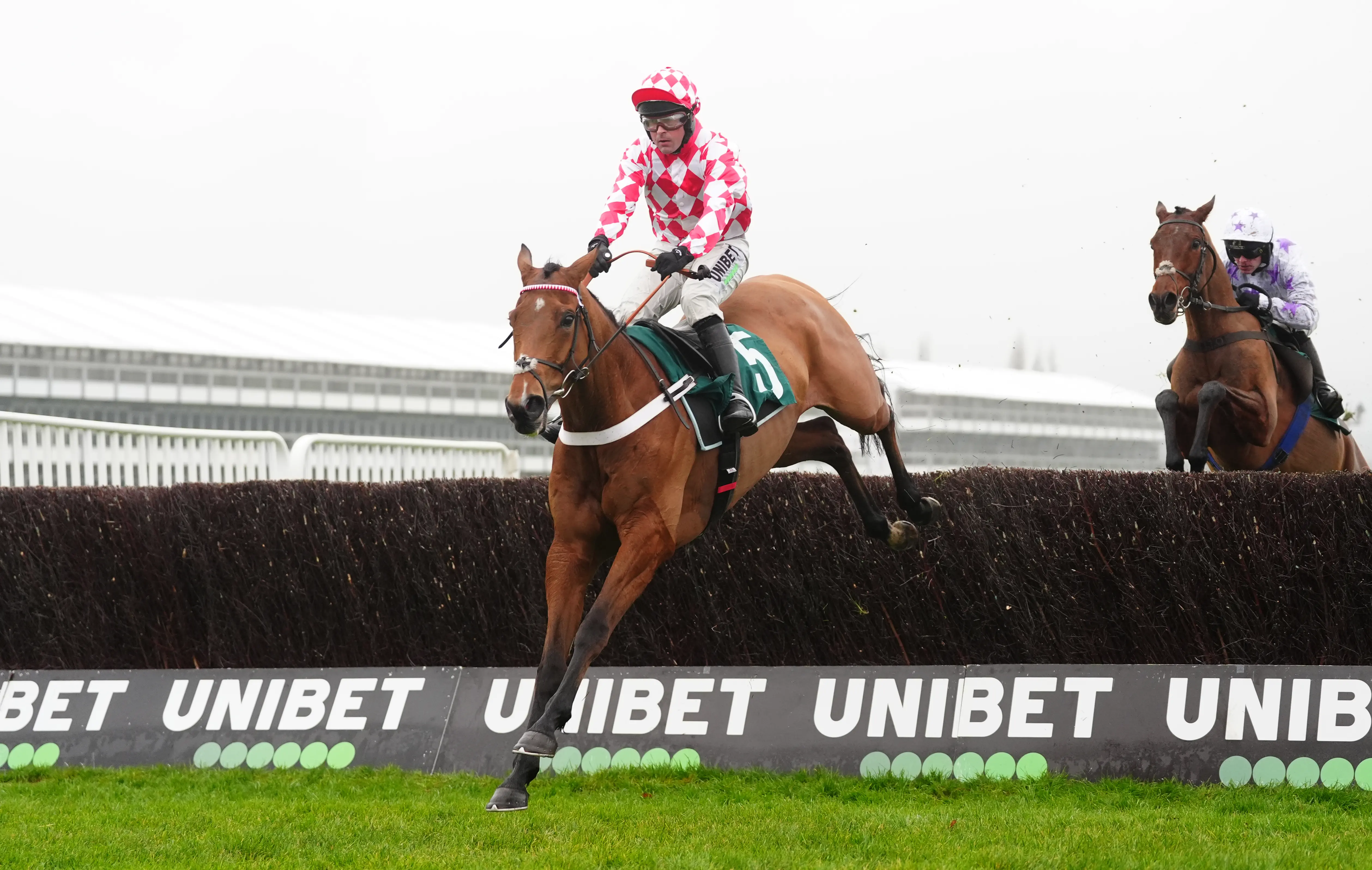
Jango Baie: has a great chance in the King George and worth backing for the Gold Cup before Boxing Day, says Matt Tombs.
Horses that began the season as Gold Cup hopefuls, who disappoint in the King George, regularly have their sights lowered and run in the Ryanair, (connections often being less forgiving of a poor King George run than I am).
King George runners are 8/37 in the Ryanair – 15pt (41%) profit. Six of those eight Ryanair winners were beaten 20 lengths or more at Kempton. If the King George test is too much for The Jukebox Man at this stage, he’s the type who could then be underestimated if contesting the Ryanair.
The gallop in the Kauto Star Novices' Chase over the same course and distance is not usually as ferocious, (in 10 of the last 12 years the King George has been run in a faster time, with the horses carrying 3lb more), but they still go quickly – and these are novices continually jumping at speed.
It therefore provides a very different test to the Broadway where the tempo does vary more. The Broadway tends to be less frenetic, especially in terms of jumping but the much stiffer nature of Cheltenham overall usually results in more of a stamina test. The Kauto Star and Broadway reward different attributes in a staying novice chaser so it is not surprising that the record of Kauto Star winners in the Broadway is poor.
What is surprising is just how poor. Kauto Star winners are 0/23 in the Broadway, whereas eight horses beaten in the Kauto Star have won the Broadway. Typically those horses beaten at Kempton that win at Cheltenham are horses whose strong suit is stamina – like Bobs Worth or Rule Supreme.
As ever with trends you don’t follow them blindly - that record doesn’t mean this season’s Kauto Star winner won’t win the Broadway. Might Bite would have done the double but for a mishap at the last at Kempton and Coneygree won the Gold Cup after taking the Kauto Star.
What I think it does mean is that you have to place more emphasis than with most form-lines on evaluating how well Kauto Star runners would be suited by the very different test of the Broadway, and less on a starting presumption that they will run to an equivalent level of form in the Broadway.
In terms of betting on the Kauto Star, its nature suggests tactical pace and experience of jumping at speed in a good race ought to be a big positive. It’s therefore not surprising that the Grade Two Berkshire, (currently badged as the John Francome,) over 2m4f at Newbury has been a better Kauto Star guide than graded form at three miles. This century Berkshire winners are 5/9 – 11pt (124%) profit.
However, whenever using these sorts of trends you have to look at the individual renewal. I thought Wendigo won at Newbury despite the relative test of speed being very much against him - class got him home. He looks an ideal type for the Broadway but may find the test going right-handed at speed in the Kauto Star doesn’t suit him. If Wendigo can win a Kauto Star he would look the type that could break that hoodoo in the Broadway.
Three-mile novice chase trends
The pattern for three-mile novice chases changed two seasons ago when the Worcester and December were replaced by the Esher, (all three being Grade Twos). Those autumn three-mile novice chases tend to attract thorough stayers, (novices often stepping up in trip as the season progresses.) The test of the Kauto Star doesn’t tend to suit the winners who, combined, are 2/20 (72% loss).
Winners of the Worcester (latterly run at Newbury) in particular tended to get over-bet – seven of the 15 runners in the Kauto Star going off favourite. The Esher at Sandown, over around 170 yards further at a stiffer track, ought to be even more of a stamina test than the Worcester, so Esher winners may well be even more over-bet in the Kauto Star.
That said, again looking at this year’s renewal - the Esher was won by a horse with more pace than is generally the case in these Grade Two novice chases over three miles in the autumn. Salverwas something of a revelation at Sandown, looking really strong at the business end. However, he took a long time to warm up to his jumping and that’s not something you get away with in a Kauto Star.
Willie Mullins has entered Jimmy Du Seuil and Kitzbuhel, (both are also in the Faugheen.) Given he has runners in the King George it would be no surprise to see one of them at Kempton. Jimmy Du Seuil would look ideally suited by the Kauto Star test if he were to travel.
Two-mile hurdling division changing
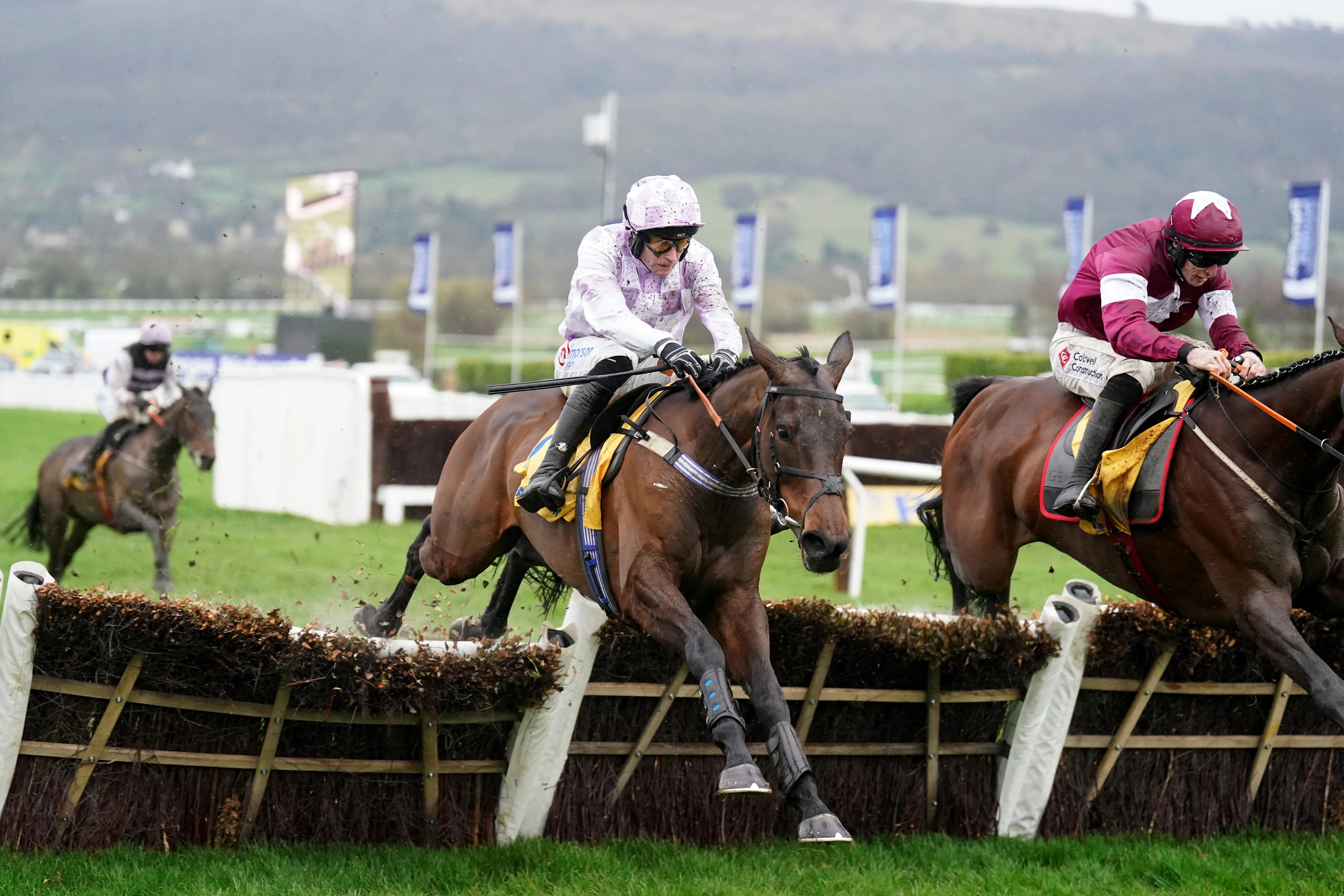
Golden Ace: Jeremy Scott has his yard in better form. Could she be being underestimated again in the Christmas Hurdle?
With so many fewer flat horses going hurdling these days, the Champion Hurdle division is much thinner now. For the first part of this century arguably the best angle into the Champion Hurdle was to oppose horses who had been winning small field, usually steadily run graded conditions races, often run on testing ground.
The Champion Hurdle itself was generally a big field, strongly run race on goodish ground and posted a completely different test. It tended to be those with proven form in fast run races on a sound surface, often at previous Festivals, that provided the value.
Now the division is shallower the trials often don’t have the depth for a horse who excels at a steady pace on testing ground to beat a horse of similar ability who wants a fast run race on a sound surface. The winner often has enough in hand to win regardless of whether the test ideally suits them. Last season Golden Ace became the first Champion Hurdler to have been beaten earlier in the season since Jezki in 2014.
The Christmas Hurdle is a good illustration of this change. Four of the first 14 Champion Hurdles this century were won by horses who had run in the Christmas Hurdle, all of whom were beaten at Kempton. Four of the 11 Champion Hurdles since have been won by a Christmas Hurdle runner – all four of which were doing the double.
Since the Fighting Fifth at Newcastle became a Grade One in 2004, it theoretically ought to be the natural path for Britain’s top two-mile hurdlers to be aimed at the Fighting Fifth and Christmas Hurdles, (especially since the International Hurdle was moved from Cheltenham’s December meeting to Trials Day in late-January.)
The Fighting Fifth hasn’t been as good a guide to the Christmas Hurdle as you might expect though. Nine of the 15 Grade One Fighting Fifth winners that ran in the Christmas Hurdle were beaten. 12 of those 21 Christmas Hurdles were won by a horse who didn’t run in the Fighting Fifth.
After bombing out on seasonal debut, Golden Ace gave Jeremy Scott a first winner of the season when winning an incident packed Fighting Fifth. The yard is in much better form now, 5/19 in December, and so there’s every reason to think she’ll improve from Newcastle. She’s likely to be underestimated again against Sir Gino who punters seem to assume will return from his life-threatening infection with all his ability in tact.
Irish focus
At Leopardstown the Grade One Racing Post Novice Chase over 2m1f returns after a season out of the programme. The Arkle is typically run over 241 yards less but with two more fences, (albeit the Cheltenham fences aren’t as stiff as those at Leopardstown). The two races do provide quite a different challenge given that they are for horses in the same division.
I’ve discussed previously in this column that in the novice chase division where there is just one crop of horses, a top novice chaser can often win Grade Ones even though conditions, (track, trip, ground etc,) don’t suit them ideally. Class often tells - it depends on the level of their superiority compared to how sub-optimal the conditions of the race are.
In terms of distance such a top novice may win at half a mile or more from their ideal trip. 241 yards will usually be too small a difference to change the result unless the horses are of very similar levels of ability. Kopek des Bordes would have been a strong favourite with me in both races – but he doesn’t run in the Racing Post.
The extra distance at Leopardstown should be an advantage to Romeo Coolio against Salvador Mundi, who may prove more suited by the Arkle trip and in particular by there being so many fences early on at Cheltenham which may help him settle. It’s too early to know whether the pair are of similar enough ability for that to be likely to reverse the placings but it is an element to be factoring in should they clash at both Leopardstown and Cheltenham.
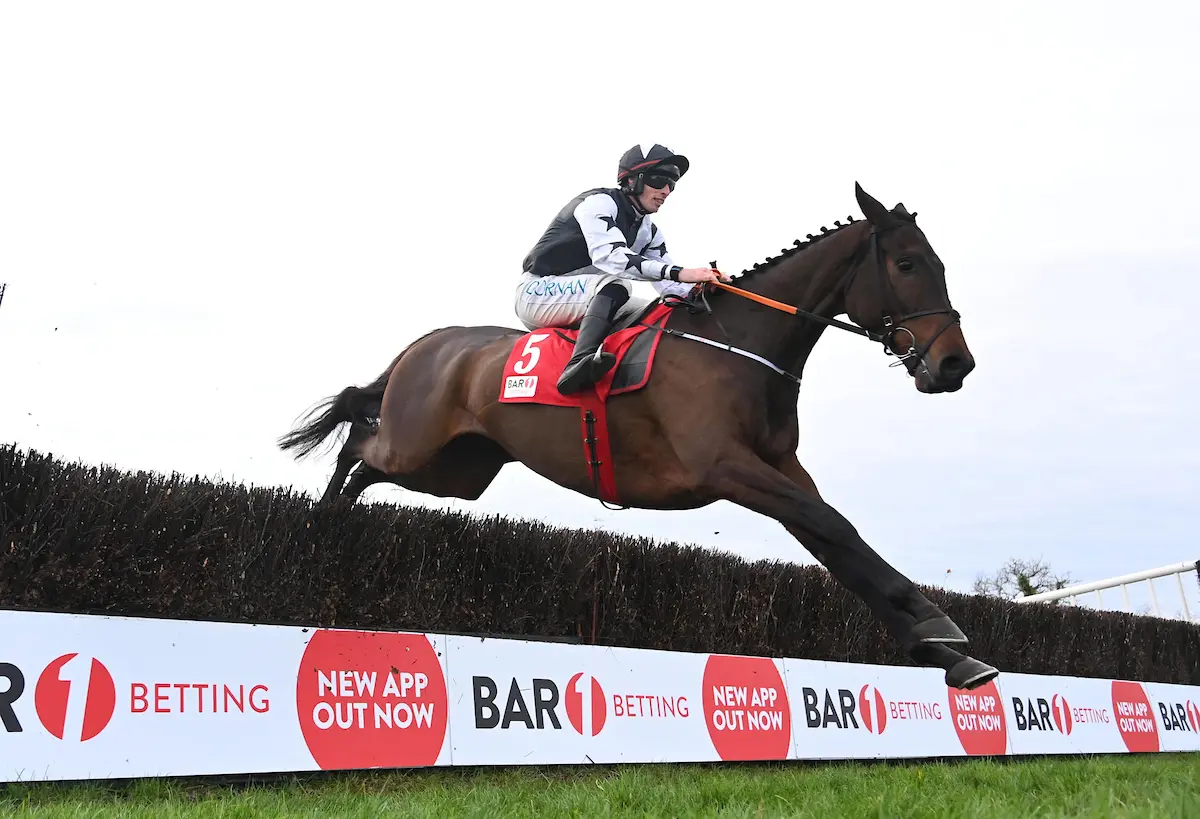
Romeo Coolio could be well-suited by the test at Leopardstown. (Healy Racing)
This race has been a fair Arkle guide with four of the 16 winners this century that tried doubling up and three others placed. However, the last was Footpad in 2017/18 and plenty of Willie Mullins’ best novices don’t run in a beginners early enough to contest this these days.
For example El Fabiolo won on chasing debut on December 21 and went straight to the Irish Arkle. The weather plays a part and this season Kopek des Bordes was an intended runner but a minor setback ruled him out.
When looking at the Christmas novice Grade Ones as Festival trials now, punters do need to factor in that the Mullins A-teamers may not be running. (That is even more the case in the novice hurdling division where there may be more Supreme and Baring Bingham clues from the Christmas maiden hurdles than the Grade One Future Champions.)
The same Leopardstown card also features the Grade Two Changing Times Brewery Juvenile Hurdle. It has been a weak guide to the Triumph with winners 1/17 and runners 2/48.
One of the golden rules in ante-post betting in the Triumph is not to get sucked into believing that the winner will begin their hurdling campaign at a certain stage in the season.
Triumph winners have their first hurdles start at a much wider variety of dates than tends to be the case in the Supreme or Baring Bingham, (where that window is generally mid-October to Christmas). Two of the last 10 Triumph winners didn’t have their first run over hurdles until February but three of the last five weren’t even novices, having won in France the previous season.
Those sorts of second season hurdlers must be at a big advantage in graded juveniles at this time of year. Willie Mullins has landed this with second season hurdlers Blood Cotil, Bapaume and Lossiemouth in recent years.
Narcisco Has is literally a second season hurdler in terms of Irish/British seasons. On the basis trends should never be looked at literally but instead in context, so is Mange Tout who made her debut on May 7.
I think the Triumph is a race where it’s better to wait at least until after the Spring Juvenile at the Dublin Racing Festival before betting. It’s not often a division where a stand out horse is evident early on and you need to back them before the prices go.
That’s illustrated by how the Changing Times form translates to the Spring Juvenile and then the Triumph. This century 18 Changing Times winners have run in the Spring Juvenile and only three completed the double. By contrast, seven horses beaten in the Changing Times won the Spring Juvenile.
Similarly 23 winners of the Spring Juvenile ran in the Triumph with only three completing the double – but seven horses beaten in the Spring Juvenile have won the Triumph. In the Triumph a bigger part of the punting puzzle is looking for the improver beaten in these trials.
Staying novice hurdles
At Limerick the Dorans Pride Novice Hurdle, now run over 2m7f, is the most profitable Festival trial all season of races that have produced at least five Festival winners this century. Runners are 7/38 – 62pt (162%) profit.
It’s mainly a trial for the obvious race, the Albert Bartlett – runners being 5/26 – 64pt (246%) profit and winners being 3/12 – 29pt (242%) profit.
What makes it so profitable is that the Albert Bartlett is such an unpredictable race – 10 of the last 12 winners have gone off double figure prices, including three 33-1 chances and a 50-1 shot. If you can find a good trial for the Albert Bartlett then the form is likely to prove lucrative to follow.
I’ve mentioned previously in this column that the Bristol Novice Hurdle over the same course and distance as the Albert Bartlett should be an especially good trial, (if it attracts good enough horses.) That’s because the hurdles track on the New Course is unusual in the third last hurdle being so far from home, (about seven furlongs). This provides a very different test to most courses – being forgiving of novicey jumping at the business end and placing more of an emphasis on stamina.
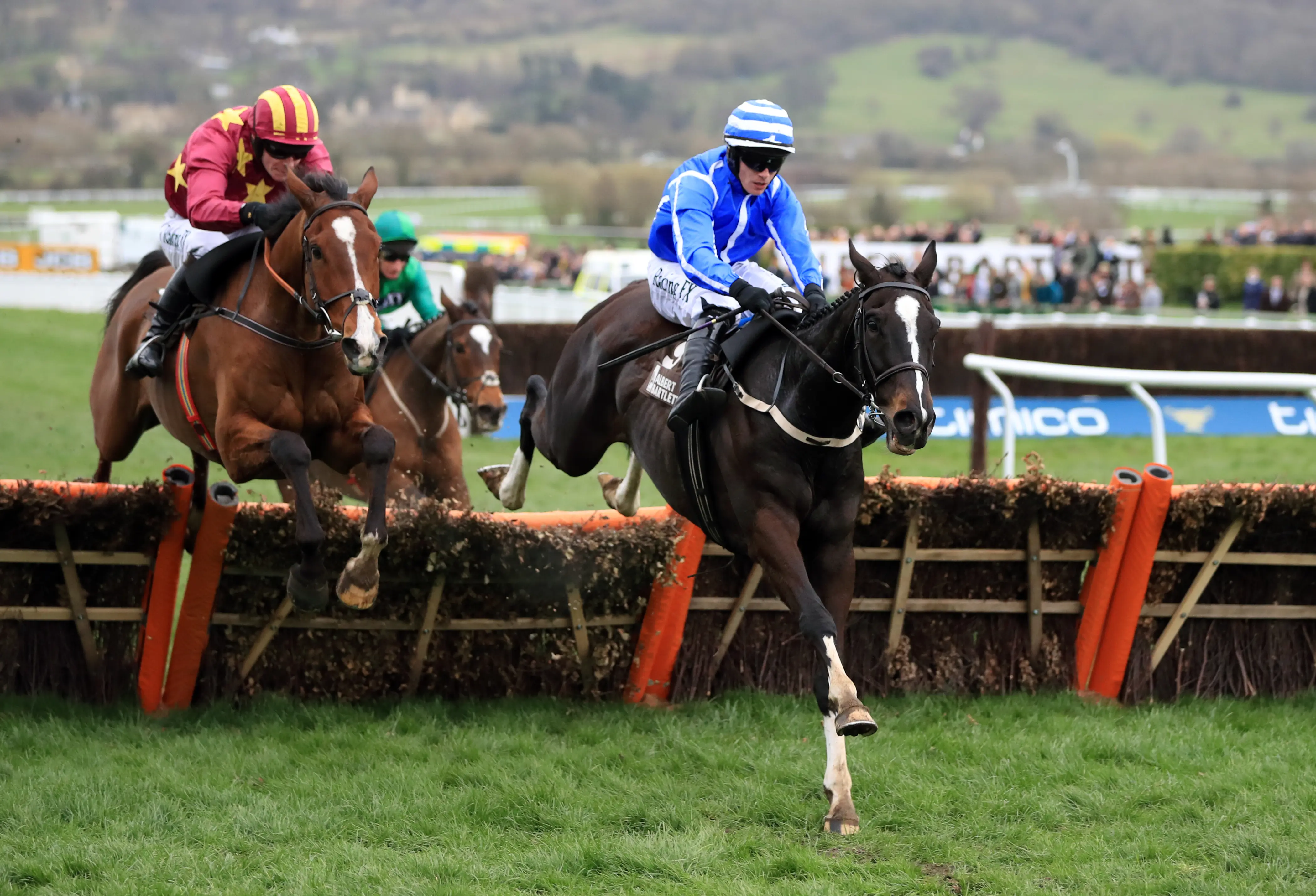
Penhill: followed up his win in the Dorans Pride with victory in the Albert Bartlett Novices' Hurdle.
Deep ground is synonymous with Limerick at Christmas – 18 of the 22 Dorans Prides have had ‘heavy’ in the official main going description. The consequent stamina test of the Dorans Pride, (albeit it tends to be run at a steadier tempo,) may be part of the reason it’s a good trial.
One factor to keep an eye on is high-class staying novice hurdlers that are caught out by making mistakes - at this stage of the season they are still learning about jumping hurdles. With the Albert Bartlett more forgiving of novicey jumpers, horses that have shown strong form in races like the Dorans Pride but jumping errors stopped them winning may be underestimated in the Albert Bartlett.
Vanillier and Stellar Story were both novicey jumpers who finished second in the Dorans Pride before winning the Albert Bartlett – it’s a key trial to re-watch when looking to bet on the Albert Bartlett in March.
I hope you all have a fantastic Christmas and gorge on a fantastic festive season of racing.
Bookmaker offers
Bet £10 Get £30 in Free Bets with Midnite

Join Midnite and get £30 in Free Bets! 18+ GambleAware.
Bet £10 Get £30 in free bets with Betano

Betano: Bet £10 get £30 in free bets with Betano. 18+ GambleAware
Get 50% back up to £50 with QuinnBet

New UK Customers Only. Bet £10+ on any sportsbook markets at odds of evens (2.00) or greater. Get 50% back of your first day’s losses as a Free Bet up to £50, valid for 7 days. 18+ GambleAware.
Terms & Conditions
Claim Offer
Racing TV encourages responsible gambling - to find out more click here to head to our dedicated website page.
Related posts
Richard Hannon breaks new ground with North American winner
Sheikh Ahmed bin Rashid Al Maktoum dies aged 76
Listowel Harvest Festival tips: Johnny Ward's best bets for Monday
Craig Williams booked for James J Braddock mount in Melbourne Cup
Guinness Kerry National: guide to the key players
Featured offers

Bet £10 Get £40 in free bets + Money back 2nd to SP fav with BOYLE Sports
T&Cs Apply
Claim Now
BOYLE Sports: Bet £10 Get £40 in free bets + Money back 2nd to SP fav with BOYLE Sports. 18+ GambleAware
Get 50% back up to £50 with QuinnBet
T&Cs Apply
Claim Now
New UK Customers Only. Bet £10+ on any sportsbook markets at odds of evens (2.00) or greater. Get 50% back of your first day’s losses as a Free Bet up to £50, valid for 7 days. 18+ GambleAware.

Bet £10 get £30 in Free Bets with talkSPORT BET
T&Cs Apply
Claim Now
talkSPORT BET: Bet £10 get £30 in Horse Racing Free Bets. 18+ GambleAware

Bet £10 get £40 in free bets with Kwiff
T&Cs Apply
Claim Now
New UK customers. Place a £10 real money bet at min. 2.0 odds within 5 days of deposit. Get 4 x £10 Free Bets: 1 Single, 2 Accas & 1 Bet Builder (min. 3 selections each). Excludes cashout, E/W, Multis, Ineligible Markets & Odds Boosts. Credited after bet settlement. 7-day expiry. T&Cs apply. 18+ GambleAware

Bet £20 and Get £40 in Free Bets with Unibet
T&Cs Apply
Claim Now
Unibet: Bet £20 and Get £40 in Free Bets with Unibet
Copyright 2026 Racing TV - All Rights Reserved.
Please bet responsibly
Copyright 2026. All rights reserved