Login
WATCH FREE
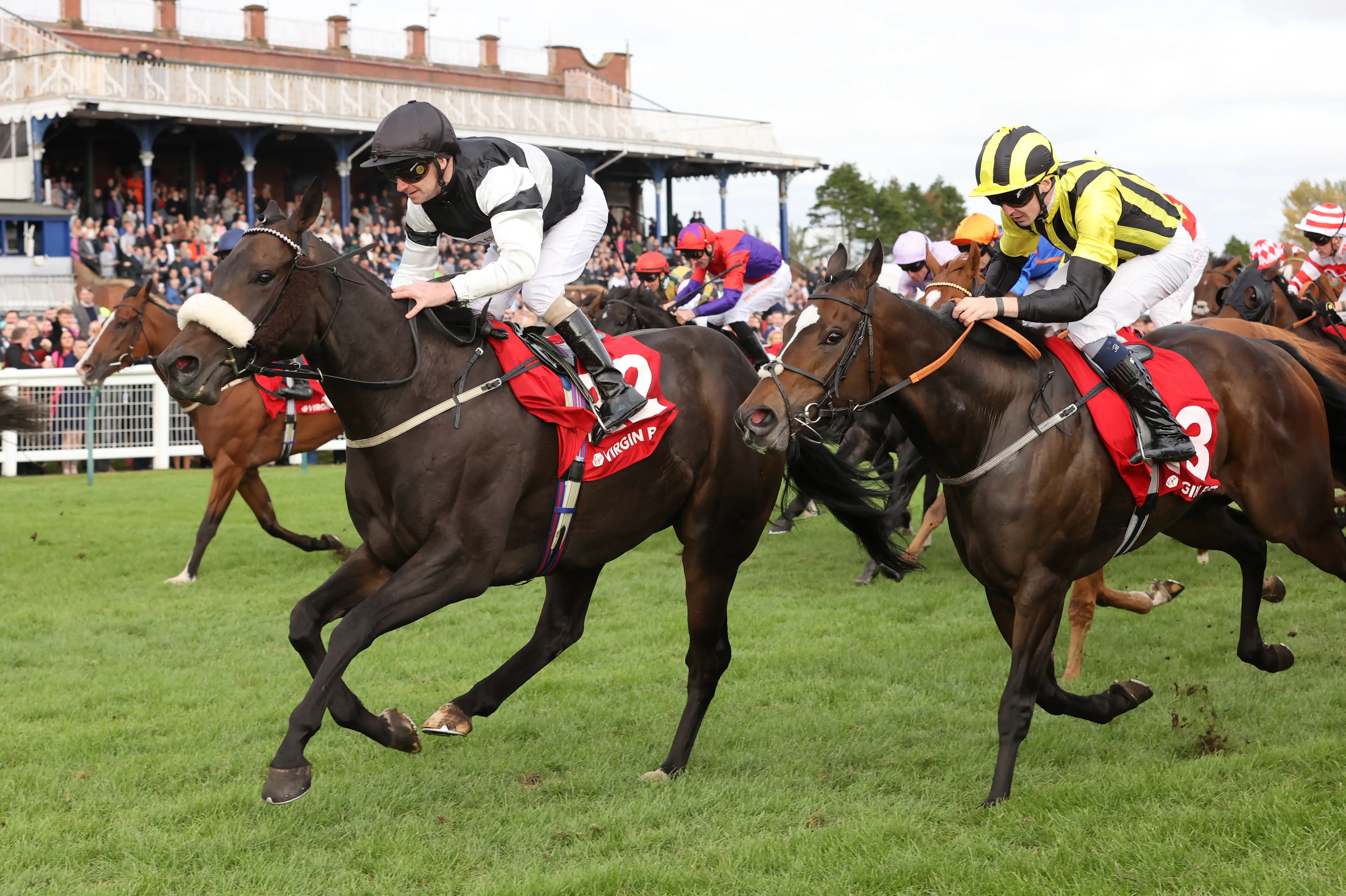
Ayr Gold Cup: your essential guide and shortlist

By Andy Stephens
Last Updated: Sat 20 Sep 2025
*This copy was amended on Thursday at 8.45pm after a significant change in the weather forecast for Friday
The pulling power of the final big sprint handicap of the year, the Ladbrokes Ayr Gold Cup, was reflected by an initial entry of 201.
With a maximum 25 allowed to take part, we end up getting three for the price of one, with the Bronze Cup taking place on Friday, and the gates for the Silver Cup flying open an hour or so before the main event.
There would be scope for another consolation race – the Iron Cup anyone? – but you can have too much of a good thing.
The two other big 6f handicaps of the year are the Wokingham, at Royal Ascot in June, and Stewards’ Cup, at Glorious Goodwood in early August.
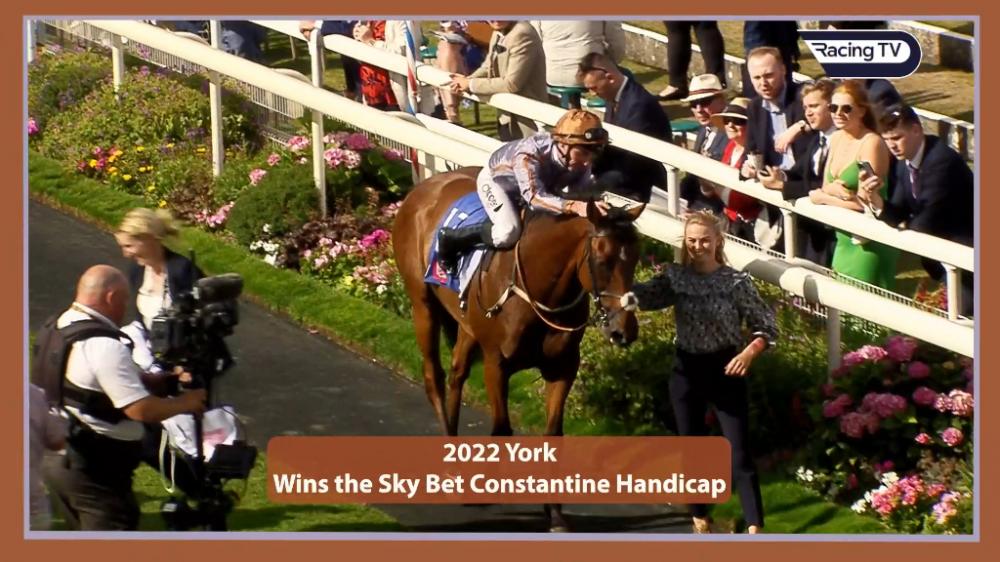
Summerghand was a sprint handicap legend
Get Itmade all in the Wokingham this summer at 40-1 and then trailed home last of 27 in the Stewards’ Cup, having won that race 12 months earlier. Different days, different tracks, different going.
Two Tribes landed a spectacular gamble in this summer’s Stewards’ Cup and now seeks to pull off a notable double, or treble if you also include his International win at Ascot.
Summerghand was the last to win both the Stewards’ Cup and Ayr Gold Cup, although his triumphs were two years apart. He also came within a short head of winning a Wokingham and ended up running in 106 races. There really should be a statue of him somewhere, or at least a race named in his honour.
But I digress. Who is going to win the 2025 Ayr Gold Cup? As ever, it’s the toughest of puzzles, but here are a few clues for those trying to piece it together.
Testing going on cards
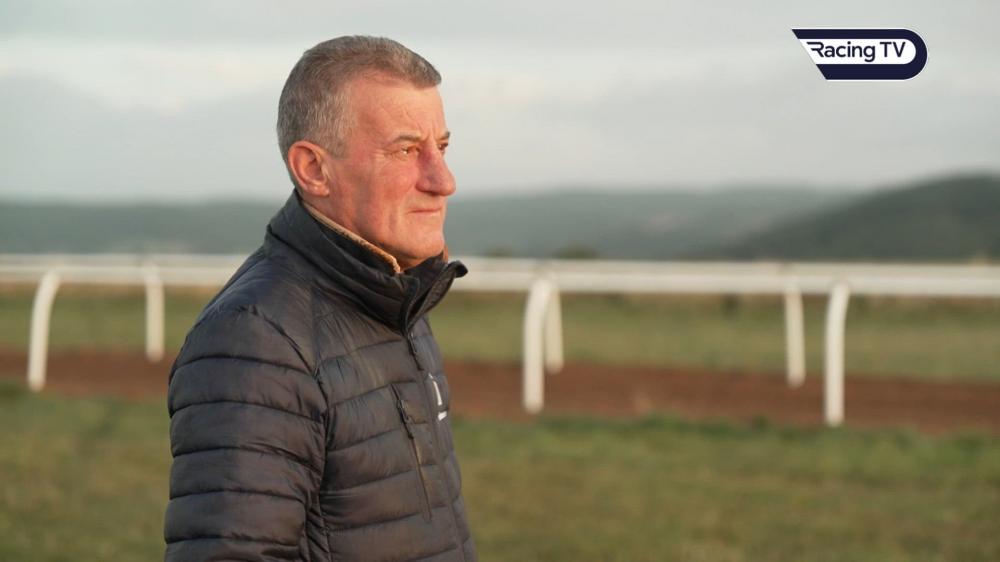
Kevin Ryan will be seeking a sixth success in the race
There’s a general assumption that the ground is always testing for the Ayr Gold Cup, but Timeform have assessed the going as good or faster for the past four years, and no worse than good to soft since 2019.
On Thursday morning, the ground at Ayr was described as good to soft, soft in places, and it stayed that way. Even allowing for some steady paces and a bit of wind into the faces of the runners, there were some desperately slow winning times when the action got under way, indicating those "good" bits were in short supply.
The Met Office is also forecasting rain to hit the track early evening, with some of it being quite heavy. Graeme Anderson, the clerk of the course, said on Racing TV that 6mm is a possibility.
That did not materialise but Friday, which looked like being dry, now looks like being wet, with downpours forecast.
If bookmakers were pricing things up, soft would be favourite, with the odds on the word "heavy" creeping in shortening.
Where do you want to be drawn?
Most believe you want to be high, but the stats tell us that winners can come from just about anywhere. And that should be no different this time with Anderson saying on Thursday that Going Stick readings are consistent all the way across the track. It’s a level playing field, which is not always the case elsewhere.
There have been 16 winners going back to 2010 (there was a dead-heat in 2018), when the calibre of the runners increased. They have been drawn 4, 8 (three times), 12 (twice), 13, 14, 17 (twice), 19 (twice), 20, 21, 24 and 25.
Six victors have jumped from stalls 1-12, with 37 finishing in the first six. Nine have jumped from 13 or higher, with 48 finishing in the first six.
On balance, then, higher numbers do seem at an overall advantage, although curiously no horse from stall 23 has managed a finish in the top six during this time. All the other stalls have had at least two finishers in the top six, with stall 13 leading the way with seven.
However, when you focus on renewals on ground that has been good to soft, or softer, as expected on Saturday, the picture changes. Lower drawn numbers have fared fine, with 2020, when the going was good to soft, providing a vivid example: the first six home were drawn 13, 9, 11, 3, 7 and 10.
It would also be folly not to also consider the evidence of the Bronze Cup and Silver Cup, giving us a much bigger pool of races to digest.
Since 2010, six winners of the Bronze Cup have been drawn in stalls 1-9; three between 10 and 18; and five 19 or higher. In the Silver Cup, five have been drawn in stalls 1-9; two between 10 and 18; and six 19 or higher.
You do not need a degree in maths to realise, then, that it’s an 11-11 tie between low and high numbers in the consolation contests, with middle numbers managing just four victories.
We need more clues. The next section is essential reading.
Where is the pace in the race?
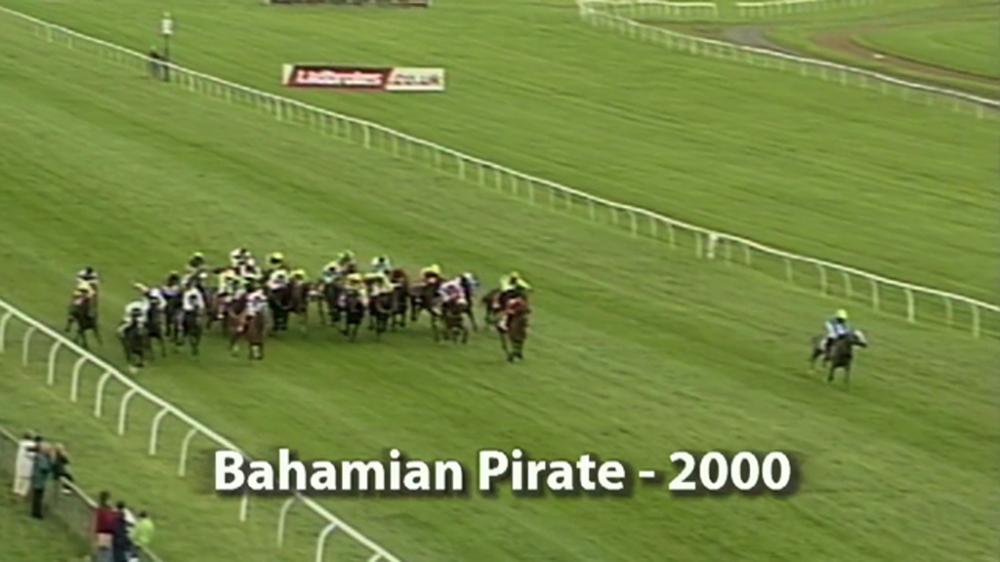
You can be the best horse in the race and have what looks a dream draw on paper, but it’s no good if you are a hold-up horse surrounded by others who also like to loiter or are slowcoaches. Saturday’s race will take about 70 seconds to run, and every one of those seconds counts.
Ideally, you want to be drawn near the thick of the action from the outset, to get a good tow into the race and be in the right place at the right time. This year’s Wokingham and Stewards’ Cup have provided glowing examples.
After two furlongs in the Wokingham, the six horses at the head of affairs had jumped from 13, 17, 20, 31, 12 and 18. Those drawn low were already playing catch up and by the finish only one horse drawn in single figures was in the first 13. And that horse, Ten Pounds, abandoned his natural position on the track to instead race elsewhere.
Similarly, in the Stewards’ Cup, the first six after two furlongs had jumped from stalls 27, 19, 22, 28, 25 and 21. And by the finish it was no coincidence that the first four home had been drawn 18 or higher.
So, to establish who is going to be in front after six furlongs on Saturday, we first need to try and work out who is going to be thundering along at the front much earlier in the story.
And, thankfully, there is not much of a grey area.
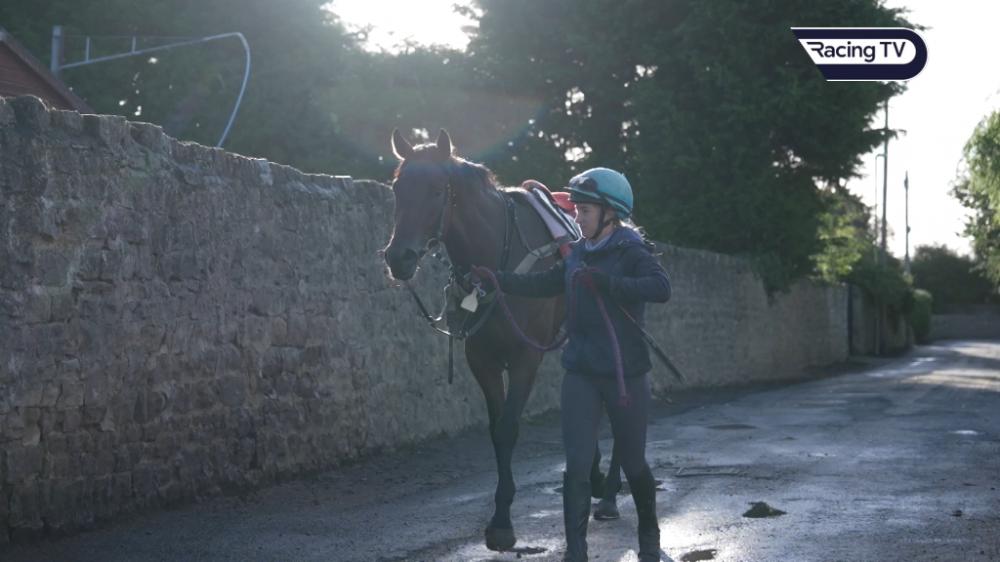
Michael Dods tells Anthony Dunkley more about the favourite, Northern Ticker, suggesting he may be even better next season, including over 5f
The two habitual front-runners in the line-up are Desert Falcon, who is in 5, and Hammer The Hammer, drawn in stall 8. This immediately suggests those drawn low will, at the very least, have no excuses from a pace perspective.
RaceiQ tells us that Desert Falcon is routinely quick at getting to 20mph and that helped him make all in a competitive handicap over an extended 6f on softish ground at Doncaster last week. He won in a time more than 2sec better than par, with his RaceiQ Time Index being 8.9 out of 10, so he deserves plenty of praise for having enough reserves to fend off the opposition.
He also made all at Haydock earlier this summer, plus when landing a 7f handicap at this meeting last year. More of him later.
Hammer The Hammer is a quick horse, with the RaceiQ data consistently revealing he is very swift to get to 20mph.
It took him just 2.51sec to reach that speed in the 5f Palace Of Holyroodhouse Stakes at Royal Ascot, quicker than any of his 23 rivals, and he helped push things along from the outset, never being out of the first five.
He had also been fastest to 20mph when previously making all at Chester, having twice run his rivals into submission at Southwell before that, too.
Hammer The Hammer was unable to dominate when favourite for the Stewards’ Cup last time, but perhaps that track was not for him, or he simply had an off day. Overall, he’s been speedy and progressive, although he has yet to prove himself on slower going.
Others in the field who like to race prominently or make the pace are Run Boy Run (stall 6), Jordan Electrics (10), Flash Harry (15), Kodi Lion (17), We Never Stop (21) and Bergerac (25).
We Never Stop, a 50-1 chance whose best form has been on the all-weather, could be pivotal for those drawn high, as he set decent fractions for the first half of the race he contested at York last time before fading. Likewise, Bergerac, who cut out plenty of the running when third in the Silver Cup last year, but is now a seven-year-old.
The profile of recent winners
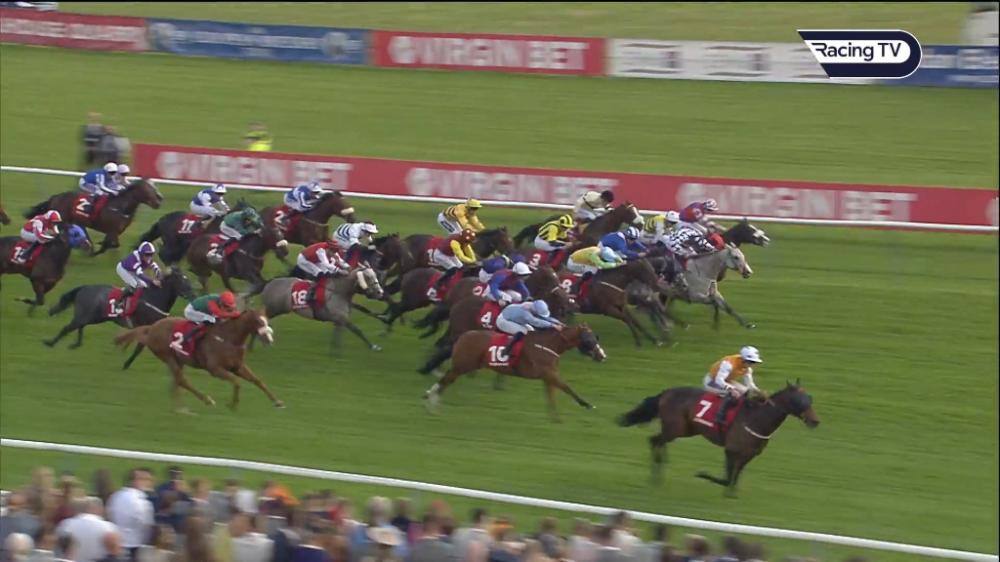
Lethal Levi wins in a record time
Plenty of horses make all the running in sprints, which is a nature of the beast, but this is a tough race in which to pull off the feat, probably because the runners go a stride or two quicker than normal and the ground can often be on the easy side.
Lethal Levi was a notable exception last year, but he was no doubt aided by the quick conditions. He stopped the clock in a record time of 1min 7.55sec. Incidentally, there were four course records at last year’s meeting, illustrating just how quick the going was.
Most winners are produced a furlong from home, or in the closing stages. One of the oddest was Bielsa, who raced solo up against the stands’ rail from stall 25 in 2021. The TV pictures suggest he was well adrift for much of the way but that his jockey got the fractions spot on.
When the ground is on the slow side at Ayr, it can pay to look away from the genuine speedsters and focus on those proven over further.
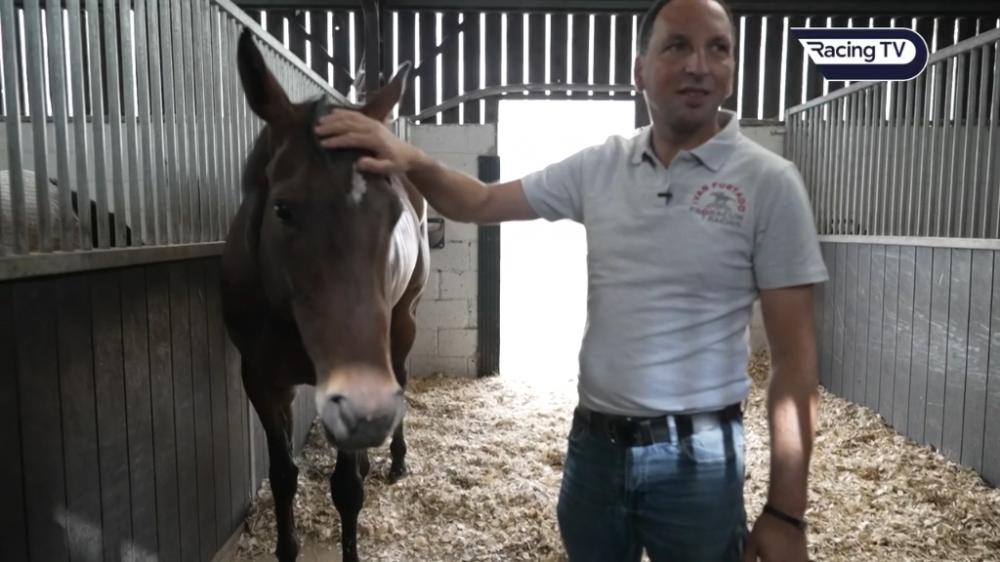
Alfa Kellenic won the Silver Cup last year and will run in the main event this time
Since 2001, for example, there have been only four Ayr Gold Cup winners who have either not won previously over at least 7f or shown they are fully effective over longer trips.
And the quartet who were exceptions won their renewals on good going or faster, when the emphasis was on speed.
Captain Ramius, the 2012 winner, had previously won six races, all over 7f, and similarly, Highland Colori triumphed a year later having gained five of his previous seven wins over 7f.
Regal Parade, the 2008 winner, had only previously won over 7f, while Quito’s three wins before his victory in 2003 were also over that trip. Lethal Levi had won a 7f handicap at Newbury on previous outing before being successful 12 months ago.
Three-year-olds routinely struggled in the race for many years but their record in the race since 2010, when higher-rated horses were required to get in it, stands close inspection.
Since that time, they’ve had 33 runners with two winning and another five being placed, including at fancy prices. More than 21% winning or making the frame seems a decent return in such a competitive contest.
Six for the shortlist

1 ARAMRAM
Draw: 13. Odds: 18-1.
His middlish draw will put some off but the horse drawn in stall 13 has finished fourth for the past three years, at up to 28-1, and has won or made the frame in five of the past six editions.
The Blue Point colt was runner-up to Alfa Kellenic in the Silver Cup last year and has been rock solid all season, with his one subdued run coming over an inadequate 5f.
He had the misfortune to twice bump into handicap snip More Thunder at Newmarket in the first half of the season, finishing ahead of such as Two Tribes (now 8lb better off with that rival) and Purosange, before gaining a deserved win at Newbury and finishing sixth in the Wokingham. At Royal Ascot, he zipped from 16th to fourth in the penultimate furlong, again indicating he has a big handicap like this in him.
His latest close third under a big weight at Kempton was another good trial, while he won on soft ground at Doncaster just six days before his big run here 12 months ago. He’s a most likeable colt.
2 PUROSANGE
Draw: 2. Odds: 16-1.
He’s been something of an underachiever since developing into a speedy two-year-old a couple of seasons ago, with his last win being almost two years ago.
However, he’s not had the soft ground he relishes this season and seems likely to belatedly get his conditions from a mark that is 7lb lower than at the start of the campaign.
He copes well with testing conditions, as he showed when runner-up in last year’s Coral Charge behind subsequent Group One winner Marakova, and when beaten a neck by Quinault in Listed company at York about this time last year.
Purosange stuck at it when beaten about a length behind Desert Falcon on goodish going at Doncaster last week. He gets a 3lb pull and softer ground in his quest to turn the tables, plus is equipped with first-time cheekpieces and this time has the services of Oisin Murphy.
Available at 20-1 on Thursday morning, plenty of firms have cut him to 12-1.
3 DESERT FALCON
Draw: 5. Odds: 40-1.
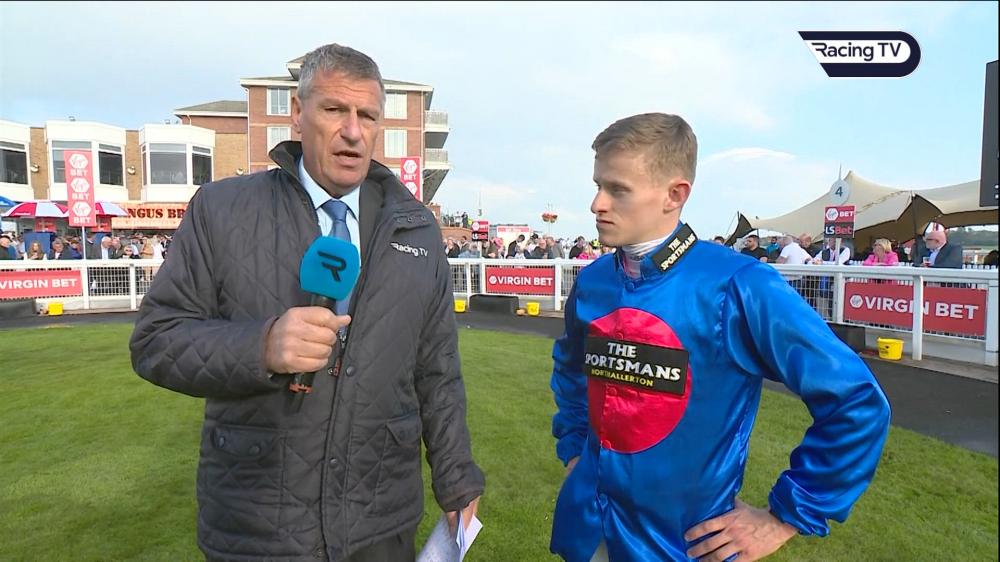
Bolted up from the front in a 7f handicap at last year’s meeting and has continued to go from strength to strength, putting up another personal best when making all at Doncaster last week.
He was game to fend off Pocklington that day, in a good time, and the form looks strong, with Pocklington having previously finished a very close third to Northern Ticker at Yortk.
Desert Falcon has a 5lb penalty to shoulder and, as mentioned earlier, this is a tough race to dominate when the ground is anything but fast. But he’s running from the right end of the handicap, stays a bit further than 6f and is a massive price with the sponsors, especially when you consider that Northern Ticker is trading at 6-1.
4 FAHRENHEIT SEVEN
Draw: 11. Odds: 22-1.
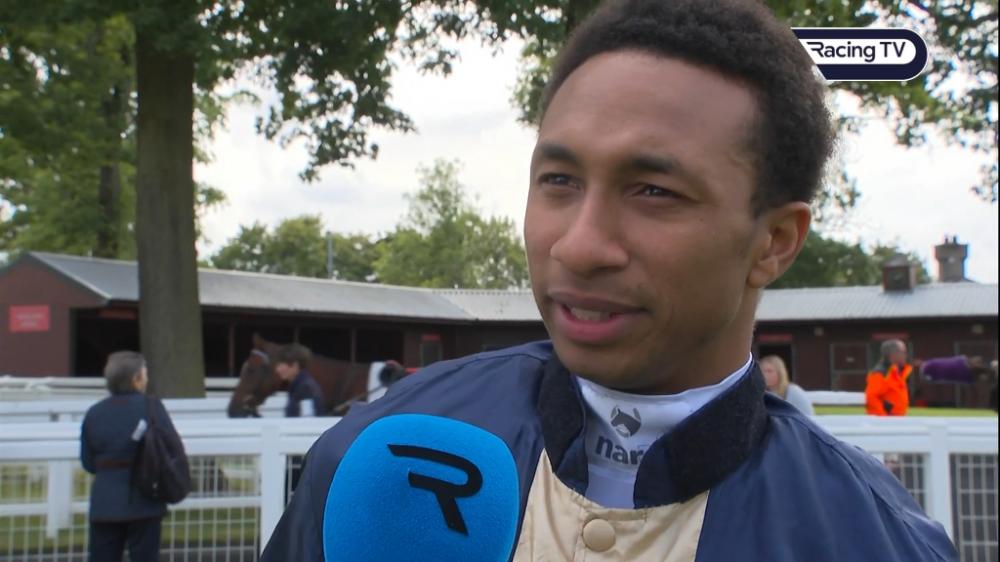
Comes in here completely under the radar, having been absent since gaining a decisive victory at Hamilton in early June.
He changed hands for 82,000gns the following month, being purchased by Middleham Park and switched to Robert Cowell from Mark Usher.
You would not think coming here off a 107-day break is a plus, but the Showcasing gelding has gone well fresh in the past and he’s less exposed than most, having won five of his dozen races. It might just be that Cowell has seen what he likes and has wanted to protect his mark.
He's proven on soft ground, and over further, which are also positives. My biggest niggle is that he’s never run in a race with more than ten runners, so this could be a bit of a shock to his system.
5 SOLAR ACLAIM
Draw: 7. Odds: 20-1.
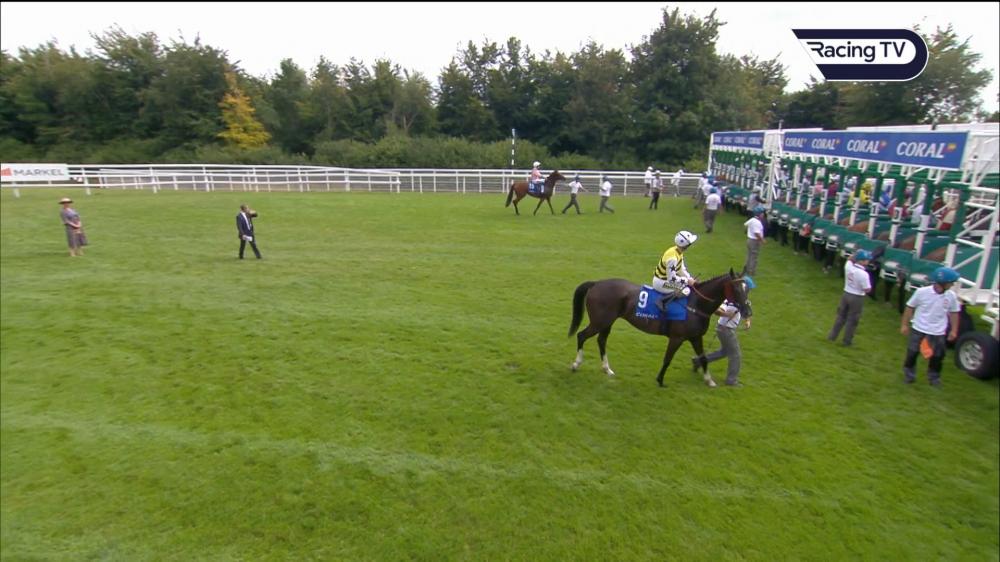
He’s something of a mud monster and if Friday's forecast rain materialises, then he will get the ground he is so effective on. I can see him being a springer in the market.
In addition to two wins on heavty going, the four-year-old has scored on soft ground at Chester and Yarmouth this season.
He only beat one home in a 16-runner handicap at Ascot last time, but he was slow away and the the ground had dried out.
I would not have given him a second thought on a sound surface, but he's a different horse when the mud is flying.
6 NORTHERN TICKER
Draw: 19. Odds: 6-1.
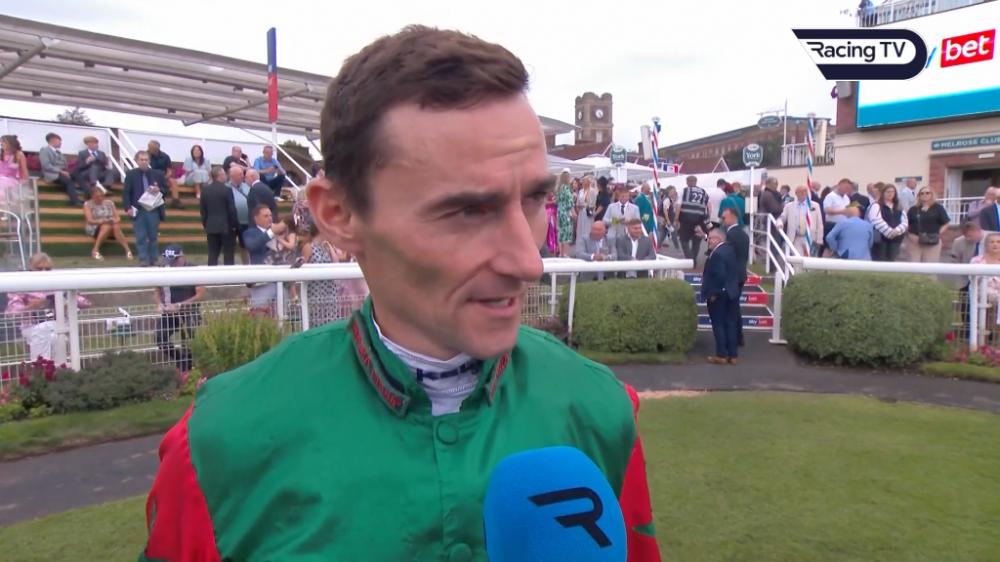
You are brave if you leave the ante-post favourite out of your calculations because he’s completely unexposed, having had only seven races for a yard (Michael Dods) whose sprinters can improve in chunks.
Northern Ticker is peaking at just the right time to judge by his win in a 20-runer handicap at York last time, when he won at the main expense of stablemate Commanche Falls, with Pocklington, Two Tribes and Jordan Electrics close up.
It was a bunched finish, but Northern Ticker impressed with the way he travelled through the race and Danny Tudhope said afterwards he hit the front too soon.
The Mehmas colt needs more to defy his 5lb penalty, but few others in the field have his potential.

Racing TV encourages responsible gambling - to find out more click here to head to our dedicated website page.
Related posts
2026 Royal Ascot tips: Harry Allwood's five best bets
Five Irish-trained horses to follow at Royal Ascot
Royal Ascot: Five horses to follow on Day One
Monday tips: three each-way selections from Katie Midwinter
Ascot milestone on the horizon for record-breaking O’Brien
Featured offers

Bet £10 Get £40 in free bets + Money back 2nd to SP fav with BOYLE Sports
T&Cs Apply
Claim Now

Bet £10 get £30 in Free Bets with TalkSportBet
T&Cs Apply
Claim Now

Get up to a £25 Bonus + 50 free spins with Genting
T&Cs Apply
Claim Now

Get a £50 free bet when you bet £50 with Coral
T&Cs Apply
Claim Now
Copyright 2026 Racing TV - All Rights Reserved.
Please bet responsibly
Copyright 2026. All rights reserved