Login
WATCH FREE
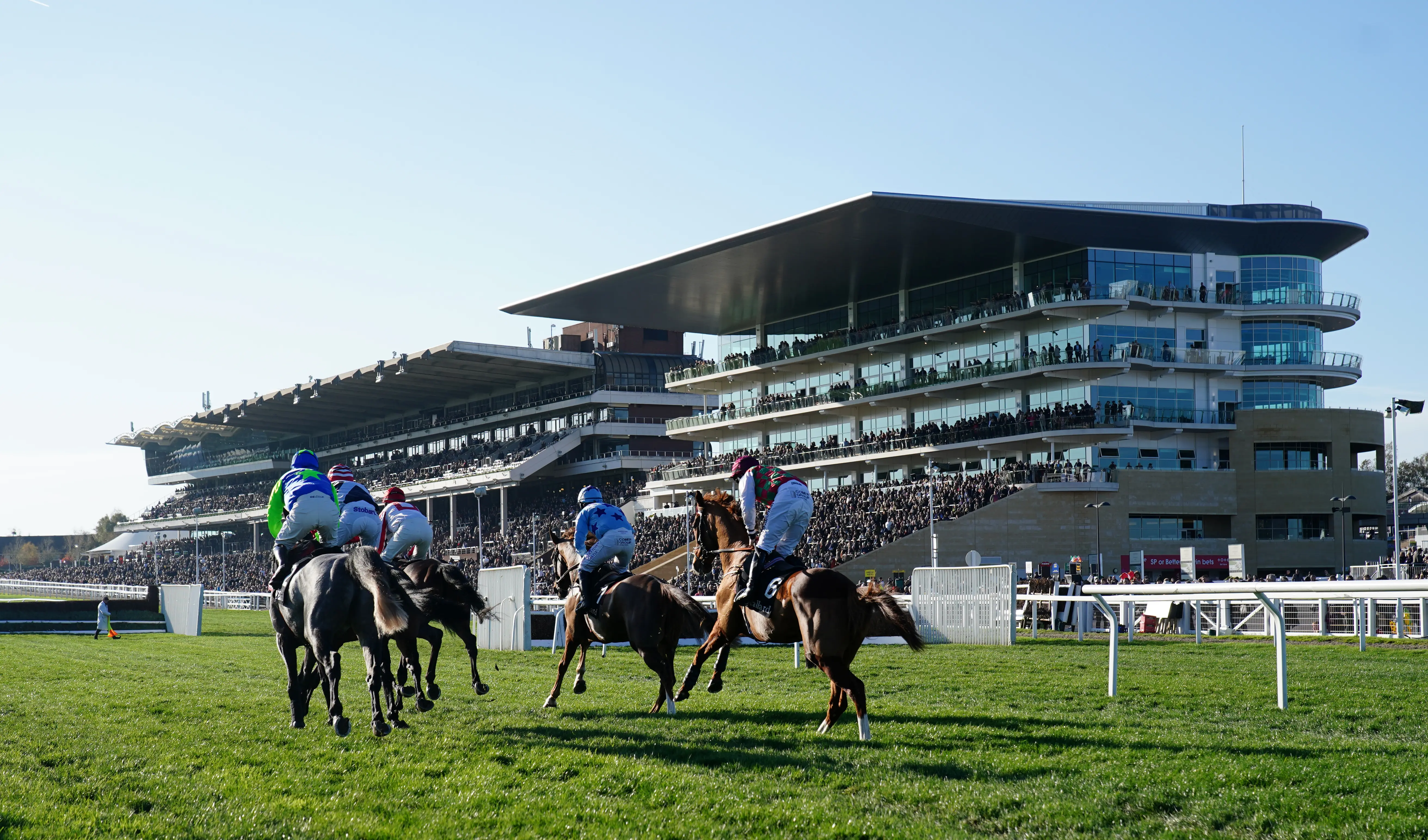
Cheltenham Trials Trail: Matt Tombs examines key Festival data

By Matt Tombs
Last Updated: Fri 14 Nov 2025
Welcome to the first of six columns over the autumn and winter that will examine the inherent nature of some of the big weekend races. Whilst I’ll be looking for immediate value in those races from how the market misunderstands them, the main focus is on them as trials for the Cheltenham Festival.
By understanding the inherent nature of both the weekend and Festival races, we can identify where the market consensus is wrong about how good a Festival trial these races tend to be. That should point us in the direction of under-bet horses for the Festival.
I’ll be providing lots of examples of trials the form of which has consistently proven profitable to follow at the Festival. (All stats quoted cover all 25 Festivals this century unless stated otherwise).
Whether you’re an ante-post punter looking to grab the fancy prices now or a post-declaration punter gathering evidence for March, understanding what sort of Festival trials these races are can provide you with a big edge.
Jumping at a premium and don't underestimate the Shloer
In terms of runners being profitable to back at SP at the Festival, the second best such trial of the season is the Shloer Chase at Cheltenham on Friday. It’s the only open graded conditions chase at around the minimum trip at Cheltenham before the Festival, and it is run over the Old Course. It's no surprise that it’s a good guide to the Champion Chase – but there is more to it than course and distance. There are lots of graded races at Cheltenham in other divisions that are much less good Festival trials.
The top two-mile chases are very specialist, typically testing the ability to jump at a really strong gallop. There’s much less margin for error jumping than in other divisions and so how a course is set up has more of an impact.
A factor that is often missed by punters is that there is much more jumping early in the race at Cheltenham than at the other four courses in Britain and Ireland that host Open Grade One chases at around the minimum trip. Typically the fourth fence on either course at Cheltenham is jumped after just over 20% of the time taken for the entire race. At those other four courses it’s typically between 35%-42%.
Those are rough hand times but they only need to be roughly accurate to demonstrate the point - the top two-milers get much less time to get into a fencing rhythm at Cheltenham than at those other Open Grade One chase courses.
Perhaps that is part of the reason why seemingly stand out horses, who go off at odds-on in the Champion Chase, have such a bad record. 10 of the 13 odds-on shots this century were beaten, including five in the last six years. That’s in the context of a race where outsiders rarely win - 21 of the 25 winners this century came from the first three in the market.
Runners, including the horse with the best form, are more likely to get knocked out of a rhythm early on at Cheltenham than in those other Open Grade Ones, particularly in the Champion Chase where there is often an eyes-out gallop over the first few fences.
I’d be cautious about very short-priced Champion Chase favourites who earned that position by runs in open company over tracks where there is much less jumping in the early part of the race. Their defeats have not always been as a result of an early race-ending blunder such as that made by 2/9 shot El Fabiolo in the 2024 Champion Chase. Horses can jump the fences adequately but if doing so puts them out of their galloping rhythm they run below form.
It therefore seems logical that getting experience of the different test which Cheltenham provides ought to be a significant asset in a Champion Chase. Whilst many Champion Chase runners have some from previous Festivals, more recent experience during the current season, especially for second season chasers for whom it’ll usually be the first piece of such experience in open company, is a real positive. (Five of those ten odds-on losers were having their first run in open company over fences at Cheltenham). I don’t see L’Eau du Sud as a live Champion Chase outsider, but if he is, then experience in the Shloer would help his chances.
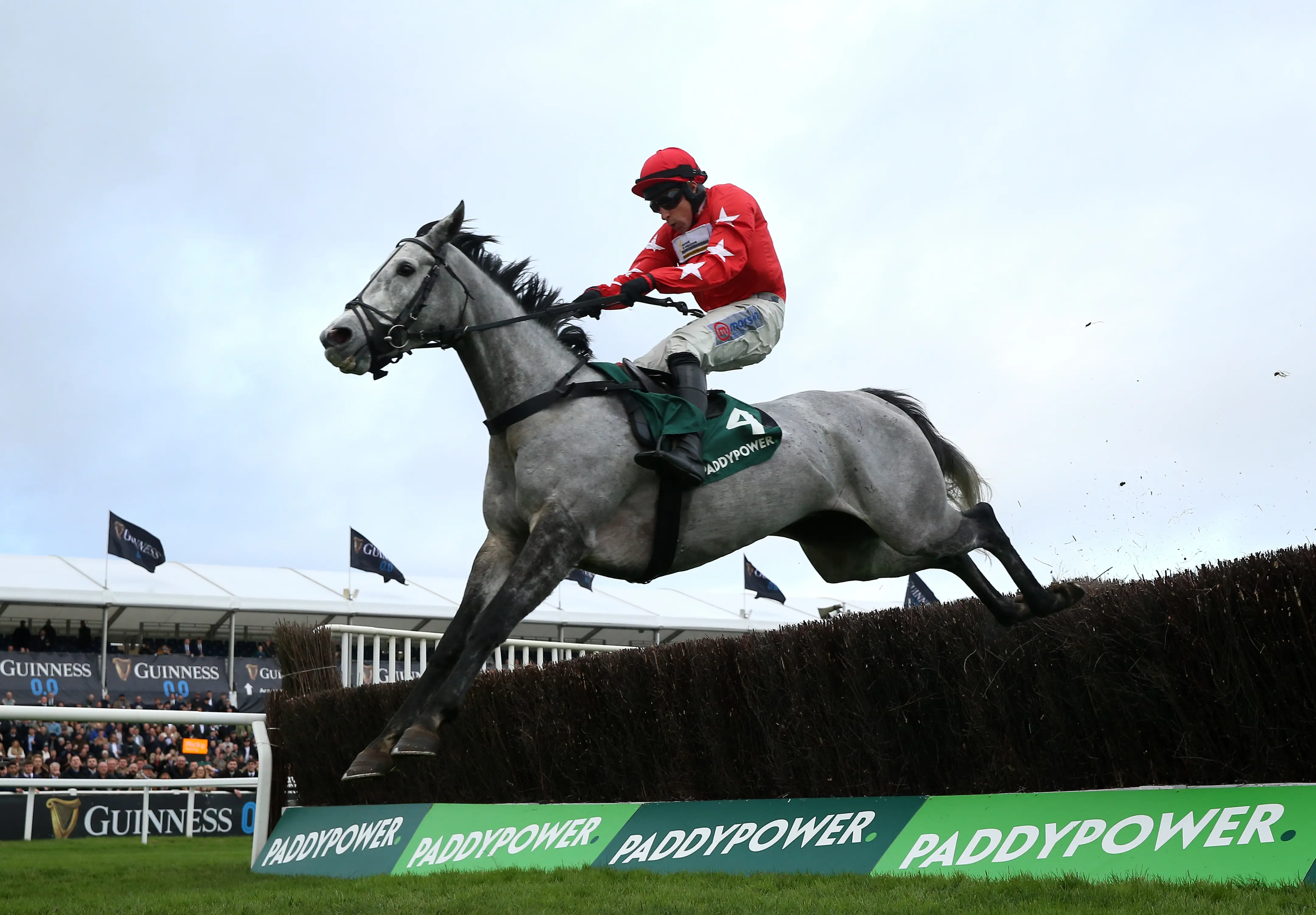
Five of the ten odds-on losers in the Champion Chase this century were having their first run in open company over fences at Cheltenham. Can L'Eau Du Sud's experience in the Shloer Chase on Friday help him in March?
Yet because the Shloer is a Grade Two in November, the form is continually underestimated by punters. Runners are 6/26 in the Champion Chase – 18pt (68%) profit. In the 10 Grade Two renewals runners are 4/16 – 19pt (116%) profit.
In the build up to last season’s Champion Chase lots of punters were dismissive of the concern that Jonbon had consistently run to a few pounds lower a rating at Cheltenham than elsewhere. It was a classic case of each individual excuse sounding reasonable but less plausible when looking at his runs at Prestbury Park as a whole. Perhaps Jonbon struggles to get into a rhythm at Cheltenham.
Jonbon is odds-on again in the Shloer – and a clear round at Cheltenham would help his confidence before another crack at the Champion Chase. Unless he’s well beaten without excuses here or more likely by Il Etait Temps in the Tingle Creek, he’s very likely to stay down the Champion Chase route, (especially if Fact To File is on course for the Ryanair). He’s a top-class two-miler in what looks a wide-open division. It would be silly to say he can’t run to his best form at Cheltenham, it’s just that it’s less likely.
Horses often step up in trip during the season. Four Shloer runners contested the Ryanair finishing 8132, all going off double figure SP. A big-priced winner in each of the Ryanair and Grand Annual takes the overall record of Shloer runners at the Festival to 8/44 – 58pt (131% profit.)
Fortria form back in fashion
Fashions come, go and get recycled in race planning as in wider life. The Fortria Chase at Navan on Saturday is a good example of this. In the first decade or so of the century it was the natural starting place for the top Irish two-mile chasers, Moscow Flyer and Big Zeb standing dishes.
It then fell out of favour. Willie Mullins’ dominance has grown and he hasn’t targeted the race, (he’s had only eight runners in the last 20 years.) Instead he favours the Hilly Way at Cork as the starting point for his top two-mile chaser. Even when Mullins has a runner in the Tingle Creek, (he’s only had five so far), none prepped in the Fortria – this year Il Etait Temps prepped in the Clonmel Oil over 2m5f.
Recently, the Fortria has come back into fashion amongst Mullins’ rivals. 2024 Champion Chaser Captain Guinness has run in the last three renewals and last season’s renewal featured three of the first five home in the Champion Chase. Now it’s attracting top horses again, the record of winners is worth highlighting – they’ve finished U14132213 in the Champion Chase, those three winners producing a 14pt (156%) profit. A strong entry, including reigning Champion Chaser Marine Nationale, suggests that the Fortria could be a key form-line again.
The Champion Chase is one of the best long-range ante-post races - because it’s so specialist there are few realistic winners. Three of the five shorter than 25/1 in the Champion Chase market, Marine Nationale, Il Etait Temps and Jonbon, should have made their seasonal debut by the end of the weekend. Ante-post punters shouldn’t be afraid to dip their toes in the water as a result of this weekend’s action.

Enjoy a FREE month trial of Racing TV! Click here for more details
Hurdling focus
When looking at any type of trend based on all the renewals of a race this century it’s crucial to have in mind how that race may have changed during that period. We need to be confident that we’re not using stats based on a very different type of race that won’t prove much of a guide now. Sometimes such a difference is as simple as a different class of horse being aimed at a race now and there are two examples of that this weekend.
The Grade Two Hyde Novice Hurdle at Cheltenham on Friday produced four of the first six Albert Bartlett winners and a Baring Bingham winner in the same period. A lot of the best novices were in Britain at the time and it was fashionable to get the Albert Bartlett horses out earlier and gain plenty of experience. Now the opposite is true, most of the best novices are in Ireland and it’s fashionable to start them later. Hyde runners are 0/39 at the last 15 Festivals.
It’s early days to be gauging the strength of novice hurdles, but with Champion Bumper runner-up Heads Up and ninth No Drama This End taking on promising sorts Great Fleet, King’s Bucks, Moneygarrow and Welonlyhavedone this could be one of the stronger recent renewals.
The opposite is true of the Lismullen Hurdle at Navan on Saturday over 2m4f. For much of this century few Irish trainers targeted the staying hurdling division. When Nichols Canyon won the Stayers in 2017 he was only the second Irish trained horse to do so since Dorans Pride in 1995. With more of the best horses trained in Ireland and their being in fewer and fewer hands, there’s an incentive to split them up and so more go down the Stayers Hurdle route.
Having produced just one winner at the first 21 Festivals this century, the Lismullen has produced three of the last four Stayers Hurdle winners, having finished F52 at Navan. All three were making their seasonal debut at Navan and runners are often well short of full fitness in the Lismullen. The Yellow Clay is an exciting prospect in a division that is crying out for a new star.
In contrast to the two-mile chasers in the Shloer and Fortria where innate class counts for a lot, staying hurdling is hard graft. Shrewd trainers targeting the Stayers Hurdle aren’t afraid to get beaten on seasonal debut in a race like the Lismullen, especially as it has a maximum 9lb penalty so the established top horses are often giving plenty of weight away. Don’t be dismissive of the beaten horses.
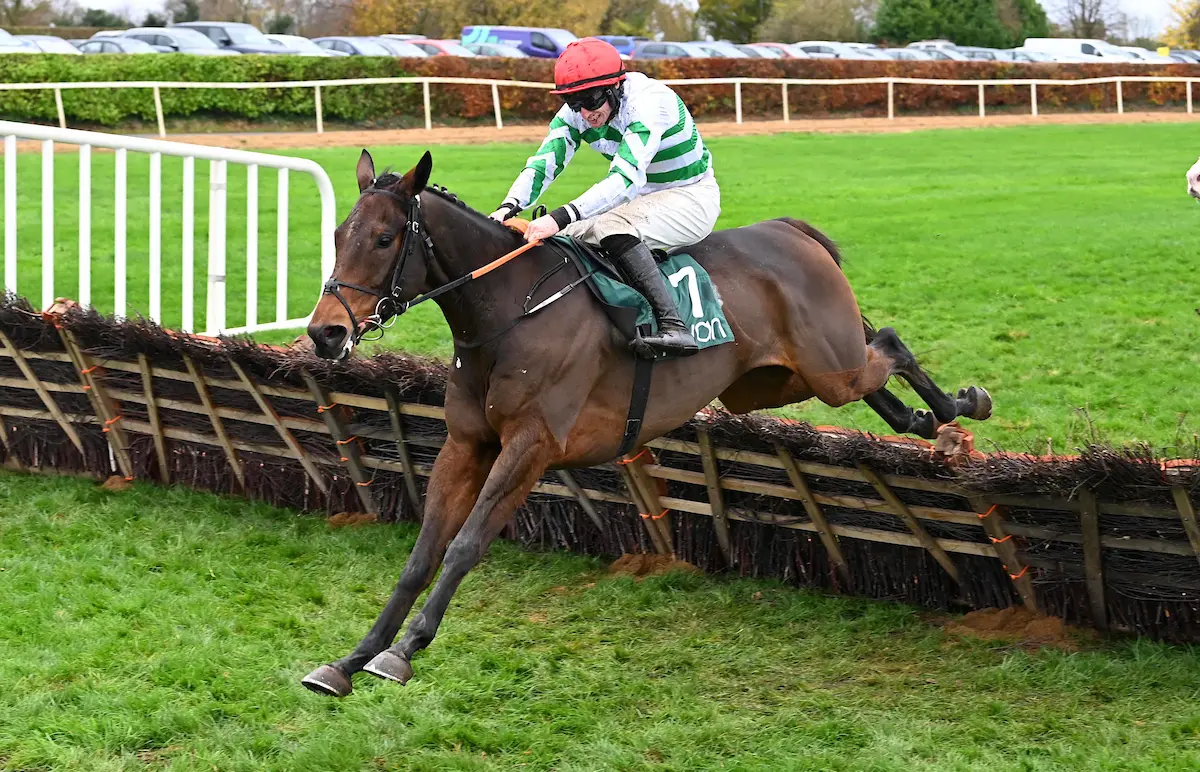
Don't be afraid of backing horses for the Stayers' Hurdle that are beaten on their seasonal debut. The Yellow Clay (pictured) looks a top prospect. (Healy Racing)
Strike at the right moment
Timing is crucial in betting and ante-post betting in particular. Bob Olinger went off 8/1 for the Stayers last season but was 25/1 after the 6-day confirms, (Henry de Bromhead’s Festival runners are often good for momentum punters in the week or so leading up to the Festival.) Sire Du Berlais won at 33/1 but was available at 80/1 post-declaration.
I’d typically be less keen on having an ante-post bet in the Stayers Hurdle after this weekend’s action than I would in the Champion Chase. The Stayers Hurdle tends to be a race where the value is later in the season these days – winners come into the picture from left field during the winter.
The programme for beginners chases at Navan changed two seasons ago with the advent of the Autumn Festivals. There used to be two beginners chases at around the minimum trip in November, now there is only the one on Saturday. The 2m4f beginners chase in December is still in the programme but there is now another over 2m4f, on Sunday.
Therefore there aren’t direct longer-term comparisons, but Willie Mullins introduced Arkle winners Footpad and Douvan to fences in a 2m1f Navan beginners during November, as well as Vautour, who won the now defunct Grade One Golden Miller, (he contested that so as to split him and Un De Sceaux up.) Subsequent Broadway winner Fact To File made his chasing debut in Sunday’s 2m4f beginners two years ago.
This year, Mullins’ entries include Arkle ante-post favourite Kopek Des Bordes in the 2m1f beginners and Broadway ante-post favourite Final Demand in the 2m4f beginners. If they run they could face high-class opposition, including Brighterdaysahead, who is entered in both races.
I’m a believer that novices, both hurdlers and chasers, have a big advantage, especially in the staying division, if they take on good horses early in the season. They learn more in meaningful contests, even in defeat. The Irish programme and the, (perhaps consequent,) attitude of many Irish trainers in being willing to run against strong opposition at this time of year gives their novices a significant boost come March.
In recent times, Irish novices have dominated the Grade Ones at Cheltenham mainly because most of the best novices are trained in Ireland. A better illustration of this advantage is the early part of the century when Britain dominated the Festival. Irish yards won just 18 of the 80 races at the last four three-day Festivals. Eight of those 18 were in the five Grade One novice / juvenile races.
Sometimes in recent years I’ve felt Irish novices, especially those from Closutton, have won Festival Grade Ones despite a lack of experience. Class has got them home. If the weather this season enables Mullins to get his A-team novices out now and so potentially get an extra Grade One run at Christmas, rather than having their first graded run at, say, the Dublin Racing Festival – it should only make his novice team at the Festival even more formidable.
What can we learn from the Paddy Power?
At Cheltenham, the Paddy Power Gold Cup takes centre stage on Saturday. It’s produced 12 Festival winners this century, (only nine races during the season have produced more). However, those 12 have been in a mix of Festival races and both the Paddy Power and some of those Festival races have changed a lot, which clouds the picture as to what sort of trial it is now.
It used to be a springboard for some of the best second season chasers, (10 of the first 15 winners this century were in their second season over fences,) some of which went on to be Open Grade One horses – such as Imperial Commander and Exotic Dancer.
Fewer embryonic Grade One horses run in the Paddy Power now because there are lots more graded conditions races – such as the 1965 Chase at Ascot next week, (which was an intermediate limited handicap until 2009). Grade One winning novice The Jukebox Man wasn’t amongst the confirmations on Monday and may head to the 1965 Chase instead. The Paddy Power is a handicap for handicappers now and it tends to be the winner’s peak point for the season – the last 15 winners were 1/46 for the rest of that season.
The Paddy Power produced four of the first five Ryanair Chase winners, having finished 24F1 in November. That was when the Ryanair, (the first three renewals of which were as a Grade Two,) was a race for high-class handicappers. Now with the best horses in so few hands, they tend to be split up and the Ryanair is usually won by a genuine Grade One horse.
You might expect Paddy Power runners to have a good record in the equivalent race, the Plate - but they are 2/80 (60% loss). Part of that poor record may be that five of the last ten Plate winners were novices, four of which were first season chasers - and it is rare for them to run in the Paddy Power.
Interestingly the Paddy Power has produced three of the last eight Grand Annual winners from only seven runners, two of the losers being placed – those three winners finishing 355 in the Paddy Power. That may be just a statistical quirk from tiny samples, (overall record this century is 3/25 – 12pt (46%) profit).
However, they tend to go quickly in the Paddy Power and it’s generally a good test of stamina at the trip. The Grand Annual is a plot race. Of the 22 winners this century who had a chase mark at the start of the season, 14 won off that mark or lower in the Grand Annual. Protecting a mark in top races over the wrong trip during the winter can be a good Grand Annual prep.
Conyers Hill was sixth in last season’s Grand Annual and horses returning to that race have a good record. He hasn’t shaped as if wanting this intermediate trip so might fit that profile, (although he’s been a hold up horse over fences which isn’t ideal in an Old Course Grand Annual).
In terms of finding the winner on Saturday, Jagwarlooks the right favourite having won the Plate in the style of a really talented horse, lining up here off 9lb higher. However, it is off-putting that the previous Plate has been a bad guide – runners being 2/71 (79% loss), the 12 Plate winners finishing 477PP600PP6P.
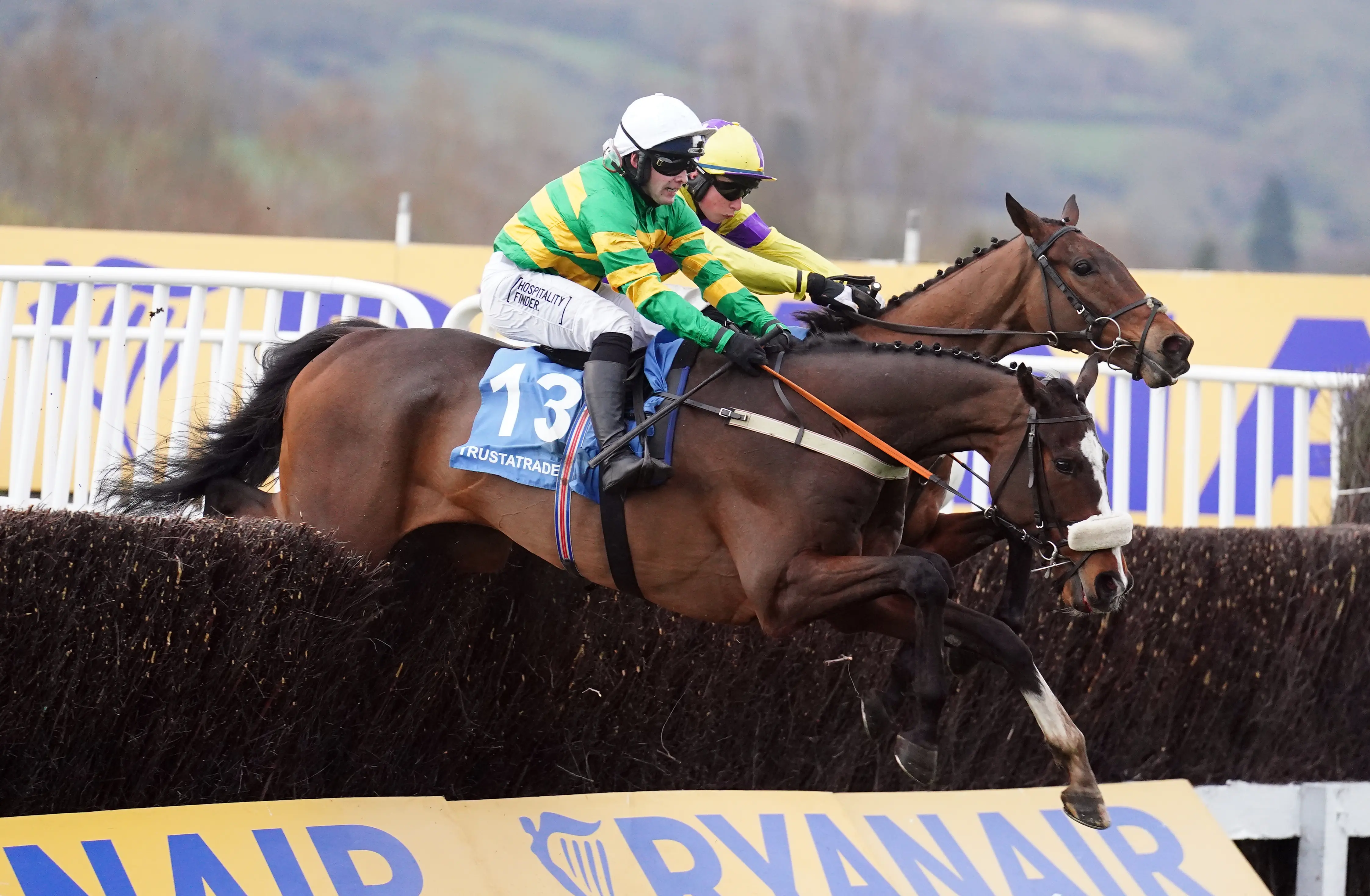
Jagwar: looks open to improvement and is favourite for Saturday's Paddy Power Gold Cup, but the record of Plate winners in the race has been uninspiring.
As a first season chaser when winning the Plate, Jagwar looks open to more improvement than the average Plate winner - but three of those 12 were first season chasers when winning the Plate and they finished 667 in the Paddy Power having been raised 8lb, 7lb & 12lb. That all said this is shaping into a weak renewal, which should make Jagwar’stask easier.
The other obvious guide is the Jack Richards Novices Handicap Chase. The record from that is less bad with runners 3/36 (39% loss) and winners finishing 1F353564. Jack Richards 5th Es Perfectoand 7th The Other Mozzie could take each other on again.
This is the first big weekend of the season for Festival clues – but at this time of year the ground is crucial. There is plenty of cut in the ground at Navan and if that’s the case by the weekend at Cheltenham as well then we could have a repeat of two years ago where these two meetings produced five of the 27 Festival winners. It’s time to get the notebooks out.

Enjoy a FREE month trial of Racing TV! Click here for more details

Racing TV encourages responsible gambling - to find out more click here to head to our dedicated website page.
Related posts
Under The Radar: Paddy Magee nominates three to follow
Ross Millar's Monday tips: "he is undeniably well handicapped"
Bond Thoroughbreds: the inside track on their top team
Trustyourinstinct flies home to land Curragh Cup
William Buick set to be reunited with Touleen at Ascot
Featured offers

Bet £10 get £30 in Free Bets with TalkSportBet
T&Cs Apply
Claim Now

Bet £10 get £40 in free bets with Kwiff
T&Cs Apply
Claim Now

Bet £10 Get £40 in free bets + Money back 2nd to SP fav with BOYLE Sports
T&Cs Apply
Claim Now

Bet £10 get £30 in Free Bets with BallyBet
T&Cs Apply
Claim Now

Get a £50 free bet when you bet £50 with Coral
T&Cs Apply
Claim Now
Copyright 2026 Racing TV - All Rights Reserved.
Please bet responsibly
Copyright 2026. All rights reserved