Login
WATCH FREE
How good is Trials Day at producing Festival winners?

By Matt Tombs
Last Updated: Fri 23 Jan 2026
Cheltenham’s meeting on Saturday has for some years been styled “Trials Day”. So how good a card is it in terms of producing Festival winners?
The composition of the card has changed little during the century. In 2005 the Classic Novice Hurdle replaced the novice handicap hurdle over 2m1f and the distance of the Cleeve was upped to three miles. It had been a Grade One until the previous year. In 2024 the 2m1f handicap hurdle was replaced by the International Hurdle, which had previously taken place at the December meeting.
There have been 23 occasions this century where both Trials Day and the Festival have been run at Cheltenham in the same year.
Ignoring seven Festival wins from re-arranged races that have been added to the Trials Day card, (for example the Clarence House when Ascot was abandoned,) those 23 meetings have produced 49 Festival winners. This year, we have the rearranged November Cross Country added to the card.
As the balance of power has shifted from Britain to Ireland in recent years, the influence of Trials Day has waned a little. The meeting was abandoned in 2021 and the four since have produced 1-1-2-1 Festival winners, ignoring two from the races rearranged and added to the card.
The best British trial for the Festival
So which of Saturday’s races are likely to be the best trials now?
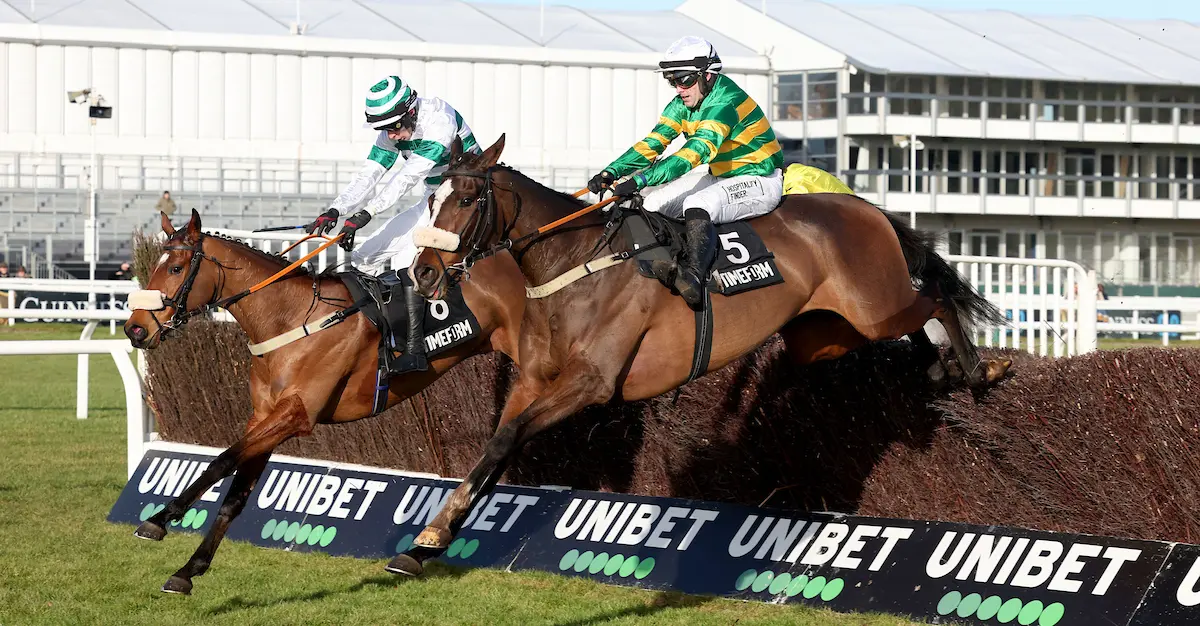
Perhaps the most surprisingly successful Festival trial all season is the Timeform Novices’ Handicap Chase over 2m4½f. A Class Two event, this has produced 13 Festival winners this century. Only four races in Britain or Ireland have produced more.
The three British races that have produced more winners - the King George, Tingle Creek and Cleeve - have proved much less good trials in recent years whereas the Timeform Novices’ Handicap Chase has produced a winner at each of the past three Festivals.
Amazingly, you could now argue it’s the best British trial for the Festival. It’s worth emphasising that it’s a very strong trial for the Festival overall – not the Grade One novice chases. Only four of those 13 winners were in conditions races and those races - the Golden Miller, National Hunt Chase and Cathcart - don’t exist as conditions races any more.
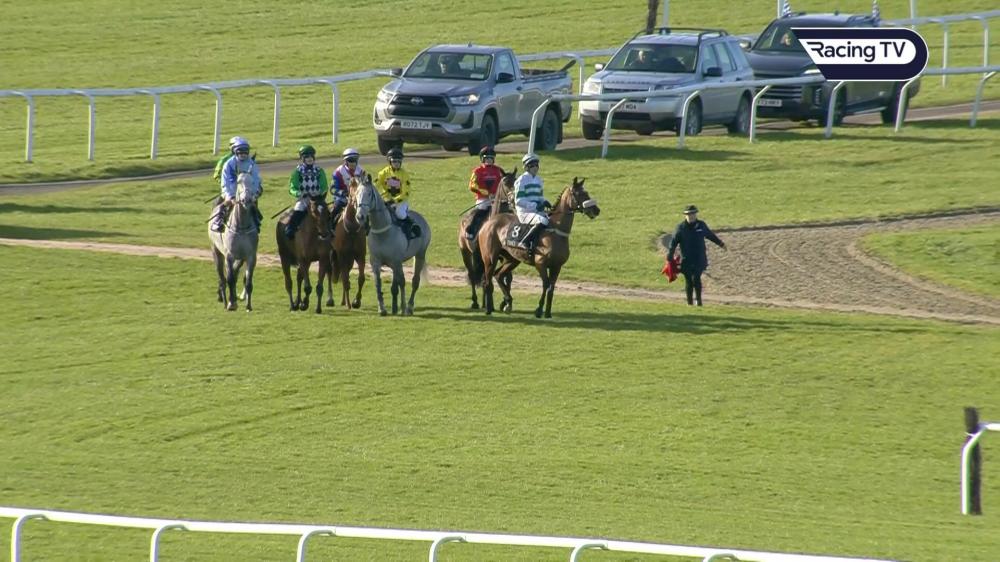
Watch how Jagwar won the Timeform Novices’ Handicap Chase, above, before following up in the Plate, below
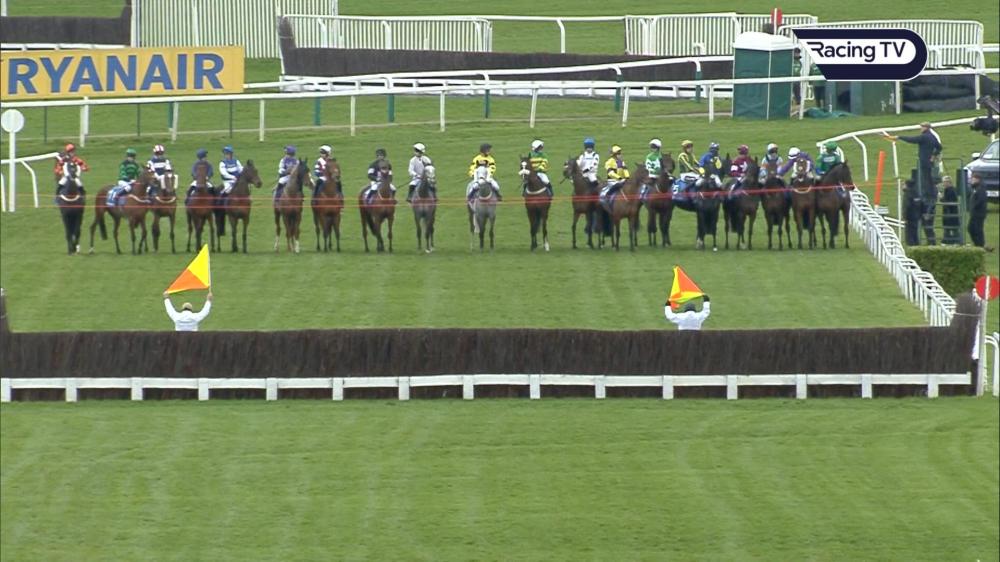
The other nine winners have been spread around four handicaps. It’s one of those trials that has been a strong race, so the form needs treating with a lot of respect almost whichever handicap horses run in at the Festival.
The obvious race it ought to be a trial for is the Jack Richards Novices’ Limited Handicap Chase currently over course and distance, which was run in various slightly different guises between 2005 and 2020 before being reinstated last year.
That’s proved to be the case with runners 4/27 – 15pt (54%) profit. The record of winners is fair, having finished 29PU031, but three of the 20 losers have won so, as you might expect for a strong race, we need to be considering all the runners from the Timeform Novices’ Handicap Chase.
From smaller numbers, it has been an even better guide numerically to the Plate. The five winners to run in the Plate finished 22121 and two of the five losers were placed. Six of those 10 went off favourite though, so you’d have made a small loss backing them all on the day. The best value can be ante-post.
While novices are taking on seasoned campaigners in the Plate they are therefore taking on more exposed horses. The fences are much less stiff now, which dilutes the advantage of more chasing experience. I’d therefore generally be even keener on the chances of horses from the Timeform Novices’ Handicap Chase going for the Plate than the Jack Richards.
It can also be form to use for related contingency doubles.
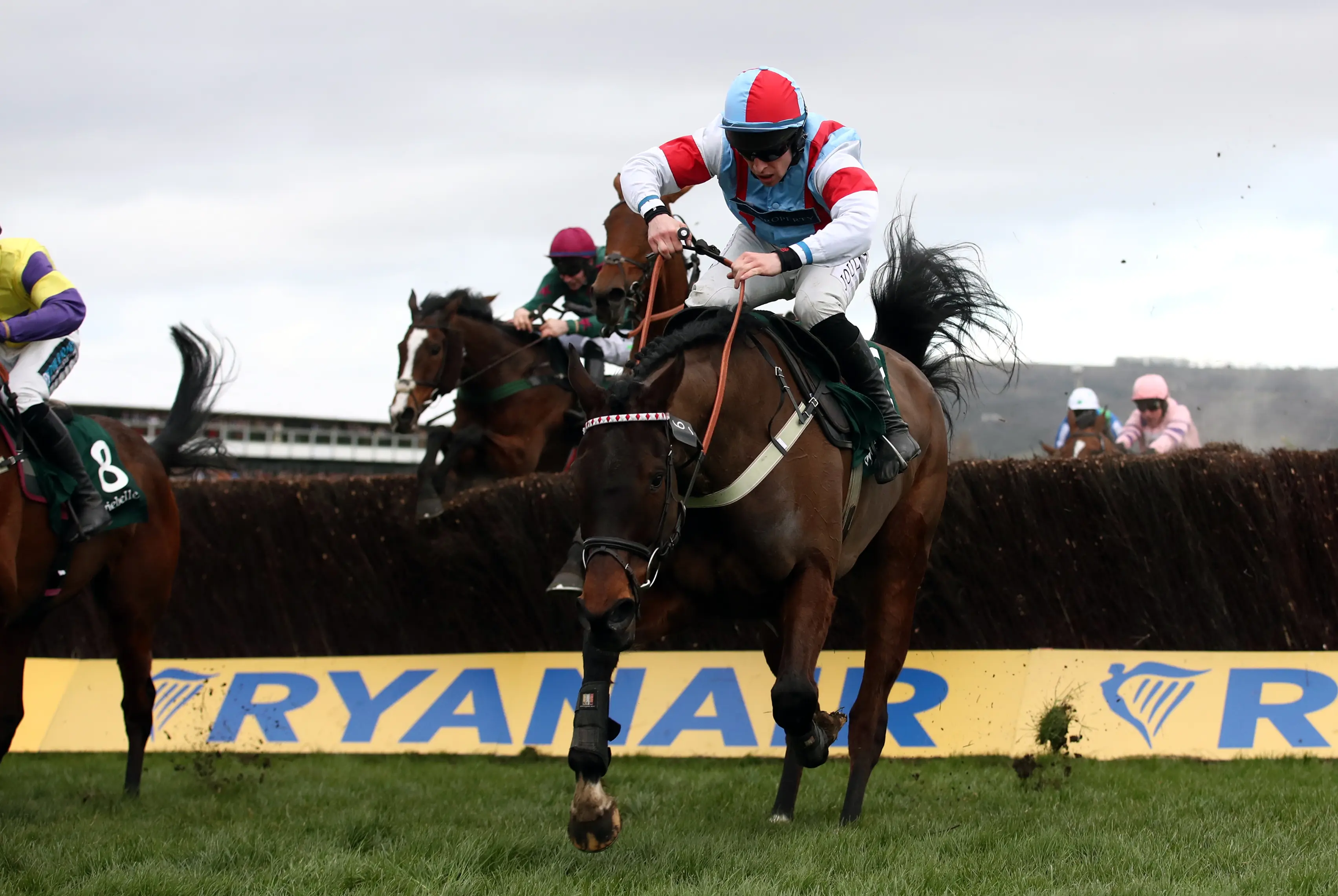
Simply The Betts on his way to Festival glory off a mark 9lb higher than when scoring in January
In 2020, Timeform Novices’ Handicap Chase winner Simply The Betts followed up in the Plate and runner-up Imperial Aurawon the Jack Richards. These sorts of bets work particularly well once non-runner-no-bet is available as you can do permutations.
One other point to emphasise is that Timeform Novices’ Handicap Chase winners have been able to defy sizeable hikes at the Festival. Jagwar and Simply The Betts were 7lb and 9lb higher respectively in the Plate.
Mister Whitaker was 8lb higher in the Jack Richards, and Imperial Aura, who was runner-up in January, defied a 7lb higher mark in it. Timeform Novices’ Handicap Chase winners Vino Griego and Ping Pong Sivola narrowly failed to defy 17lb and 15lb higher marks in the Plate.
Of course, the extent of the rise needs to be factored in but don’t fall into the trap of believing that their hand has been shown to the handicapper.
The Timeform Novices’ Handicap Chase tends to be a strong race with progressive horses who have run minimally over fences and may be capable of earning much higher marks.
I’ve mentioned before in this column that the best novices - or in the context of handicaps the best-handicapped novices - are usually effective at a range of distances.
The Timeform Novices’ Handicap Chase has produced two Grand Annual winners from only three runners but runners are only one from 18 in the Ultima and Kim Muir. I wouldn’t read too much into this, I think that is just the way the cards have fallen from a small sample. I’d be looking closely at Timeform Novices’ Handicap Chase runners in any of the handicap chases at the Festival.
The Cleeve Hurdle - a race that keeps giving
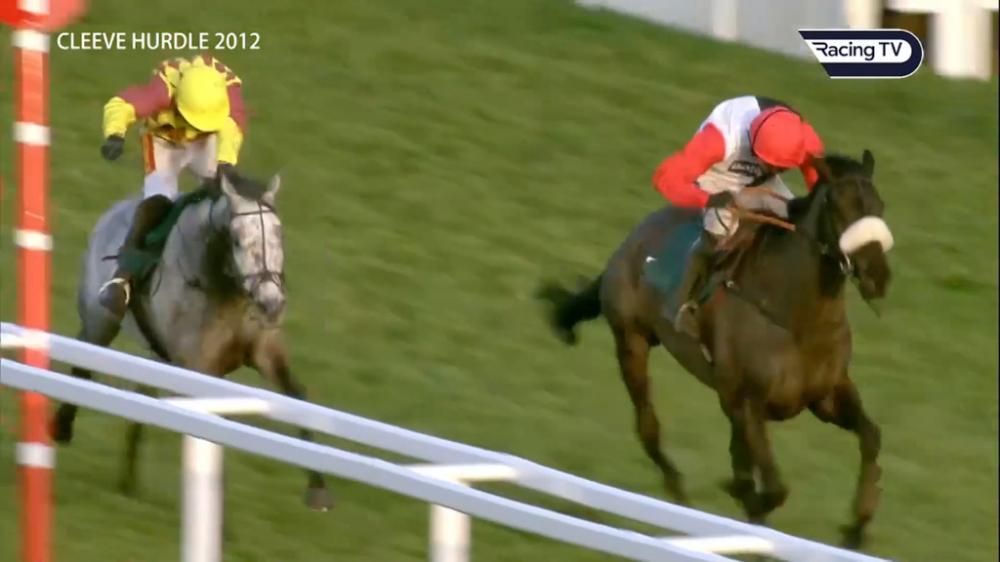
Enjoy many memorable editions of the Cleeve Hurdle
The Trials Day race that has produced the most Festival winners is the Pertemps Network Cleeve Hurdle, 15 this century, 12 of which have been since the distance was increased to three miles in 2005.
The first 15 three-mile Cleeves run at Cheltenham produced eight Stayers’ Hurdle winners. The past four have not produced any, which leaves a total record of 8/72 – 16pt (22%) profit since it was run at three miles.
The staying hurdle division used to be unfashionable in Ireland. However, with so many of the best horses there (and being concentrated in so few hands), it’s become more popular as connections have tried to split their best horses up. Having won only one of the first 16 Stayers Hurdles this century, Irish yards have won seven of the past nine.
This has the knock-on effect of reducing how strong a trial British races now are, even when over course and distance like the Cleeve. However, while we’ve seen some substandard Cleeves in recent seasons whilst the British staying hurdling division has been weak, it’s worth noting that the last four British-trained Paddy Power Stayers’ Hurdle winners all ran in the Cleeve.
If a British horse is going to win the Stayers’ Hurdle this year it is likely that Cleeve record will be enhanced as Impose Toi, the only British trained horse at shorter than 33-1, is an intended runner.
He’s a hard horse to judge as he isn’t flashy, never winning by far. But each time this season he has needed to up his game to win, he’s done so. He looks a real Stayers’ Hurdle contender and he should take plenty of beating if he lines up on Saturday.
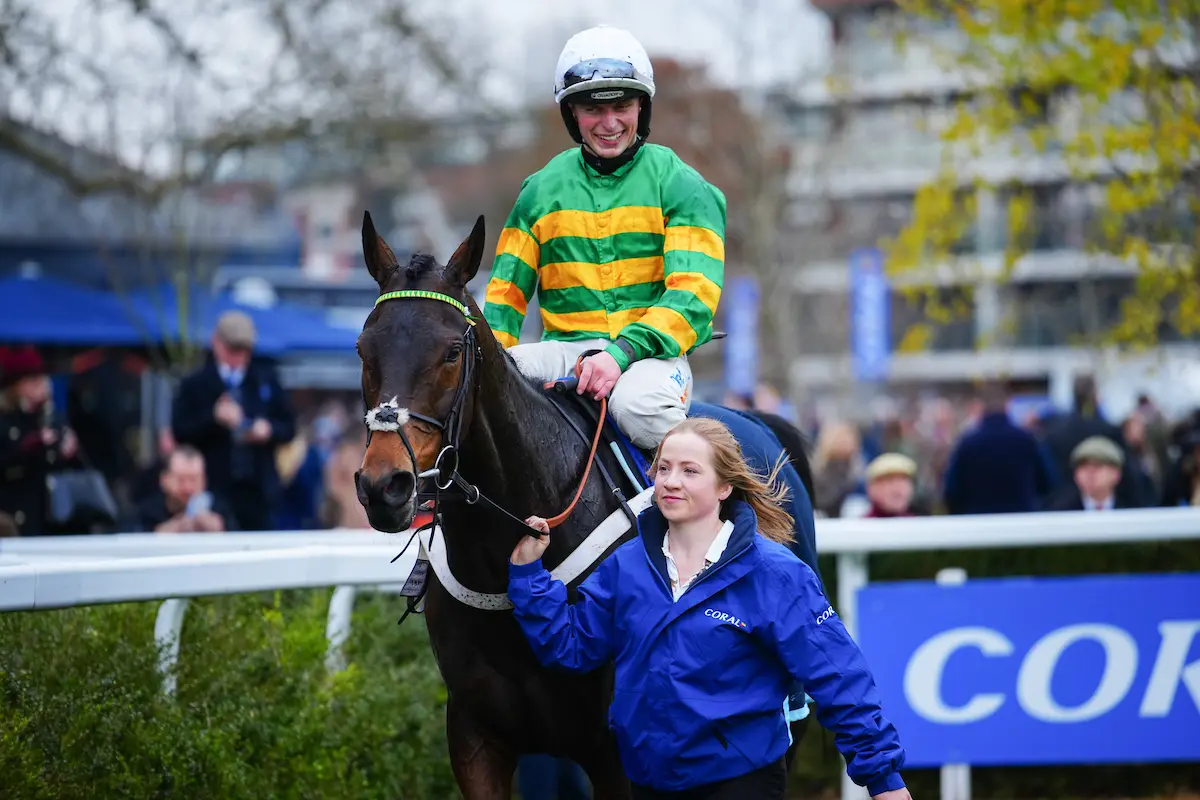
Impose Toi keeps getting the job done (focusonracing.com)
The other five races originally scheduled for this card have not been such good trials for the Festival as the Timeform Novices’ Handicap Chase and Cleeve.
The next best numerically, with six winners, is the AIS Classic Novices’ Hurdle, which began in 2005 with the expansion to the four-day Festival and the introduction of the Albert Bartlett. In its early renewals the Classic was a stellar Festival guide. The first eight renewals yielded all those six winners from 18 runners – 25pt (140%) profit.
The ground is often testing on Trials Day and twice, (in 2007 and 2013,) the Albert Bartlett winner outstayed the Baring Bingham winner on heavy ground in the Classic. As remains the case with the Timeform Novices’ Handicap Chase, the Classic used to be a good source of such related contingency bets.
However, the 11 subsequent renewals have produced 24 runners at the Festival and they have all been beaten.
I don’t think that is due to the best British novices shunning the Classic. It’s the Irish domination of the Baring Bingham and Albert Bartlett – British trained horses have won only two and three of those races respectively at those 11 Festivals.
There is a feeling that British yards have a stronger hand in the novice hurdling division than in recent seasons. That feeling may not survive the Dublin Racing Festival next week but at this stage it makes sense to be focusing on the stronger British trials like the Classic.
That logic is strengthened by the 21 entries, which look strong and include five from Ireland. We don’t know how many will run but this could be the strongest Classic for some time – in which case it would pay to look back at the Classic’s strong longer-term record as a Festival trial.
Javert Allen worth a second look
The Trials Day race that bucks the trend in terms of having become a better trial for the Festival recently is the 2m4½f Open Premier Handicap – the Betfair Exchange. Or to be more precise it’s become a better guide to the natural Festival target, the Plate.
The overall record in the Plate this century is fair: 4/59 – 9pt (14%) profit. However, the past eight renewals of the Betfair Exchange have produced two wins plus six places from just 16 runners in the Plate.
The Betfair Exchange hasn’t been a pointer towards other Festival races. Runners are 1/77 in races other than the Plate, which suggests that it’s not a sufficiently strong race to produce a regular stream of Festival winners. I’m therefore open minded about how good a good a guide it will be to the Plate going forward.
Despite almost always attracting a double-figure field, the Betfair Exchange has proved a good race for the front of the market. Nine of the last 14 renewals have gone to the front two in the market – 20pt (61%) profit.
You might think that form from one of the premier handicaps over near course and distance earlier in the season might propel horses to the front of the market, but that’s not been the case. Just two of those nine winners had run in any of those similar races, and only seven had done so all century.
Jagwar is a short priced ante-post favourite – he's no bigger than 7-4 - and still looks well handicapped off 149 if his jumping holds together. It’s hard to know though whether he’ll be primed for this or whether it’s a prep run for the Festival. Booster Bob arrives on a roll but exaggerated waiting tactics are not well suited to these intermediate trip handicap chases at Cheltenham.
By contrast, Javert Allen’s front running style is ideal. His form at Aintree has been well advertised by Mambonumberfive, Highlands Legacy and Glengouly and Jane Williams is enjoying a good season. He may be the value if he runs here. He's currently chalked up at 6-1.
Forget Finesse also-rans
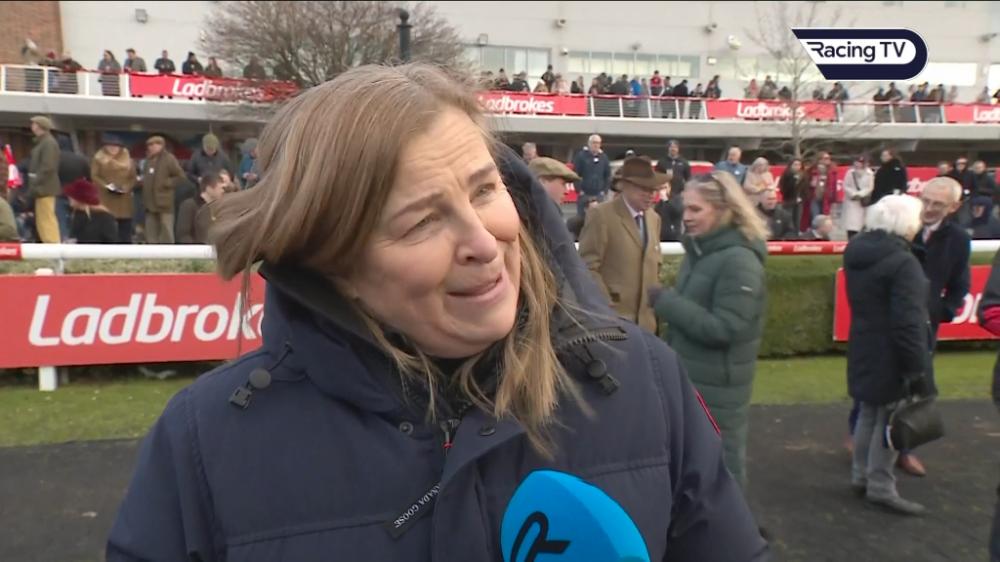
Lisa Hales tells us more about Maestro Conti
The JCB Triumph Trial Juvenile Hurdl, registered as the Finesse Hurdle, is a good example of two trends from the pattern juvenile hurdles in Britain more widely. There are lots of British pattern races for juveniles and so the better horses don’t take each other on that much. Those races have long been relatively shallow events, even in the first half of the century when Britain dominated the Triumph.
That has a knock-on effect for both the Triumph and the Fred Winter. In the Triumph the general rule is that only the winners are genuine Triumph contenders, in stark contrast to the smaller number of deeper races in Ireland where the best juveniles take each other on more regularly.
That’s very much been the case with the Finesse. Sixteen Finesse winners have contested the Triumph this century – three have done the double and six more have been placed. All 34 horses beaten in the Finesse that ran in the Triumph were beaten again, with only one being placed.
Sometimes deep conditions races can provide well-handicapped horses amongst the also-rans. Again, the British pattern juvenile races have generally been too shallow for that to be the case, with runners from the Finesse being 0/32 in the Fred Winter.
Heading the entries is Maestro Conti, the shortest priced British trained runner in the ante-post Triumph market.
He would have to give 3lb to Minella Yoga, who took advantage of a 20lb concession from Act Of Innocence to win at Newbury, (Act Of Innocence is due to run in the Classic on this card and that pair are another example of a related contingency double). At a much bigger price Macktoad had looked promising before his jumping fell apart in the Finale Hurdle at Chepstow over Christmas.
Depending on who lines up, the Finesse could again be a strong guide to the pecking order of British juveniles for the Triumph.
The Cotswold curse?
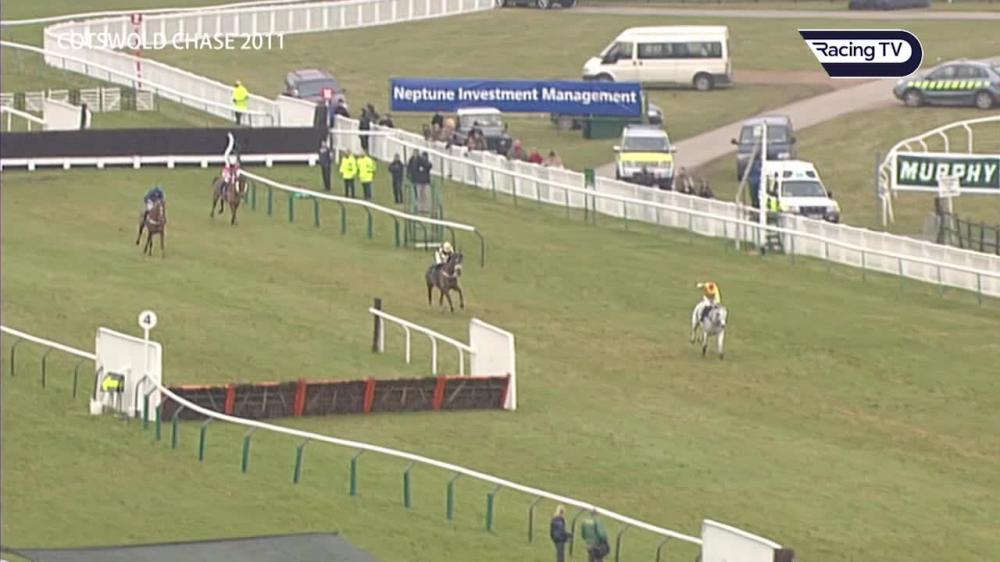
The Cotswold Chase has produced many fine winners but none have gone on to Gold Cup glory since Looks Like Trouble in 2000
Despite being over course and very nearly distance, the Cotswold Chase has been a terrible guide to the Gold Cup.
Since Looks Like Trouble did the double in 2000, all 53 runners from the Cotswold, when run at Cheltenham, including 14 winners, have been beaten in the Gold Cup. And only six of those 53 have been placed.
I think this is mainly down to modern training methods as the drought began well before Ireland started dominating the Gold Cup. The ground is often testing for this meeting and, less than seven weeks before the Gold Cup, many trainers don’t want to run their contenders in what often becomes a slog.
The Cotswold long had a reputation as a favourites’ graveyard, not least because it could be such an attritional test. The first 19 renewals at Cheltenham this century didn’t produce a winning favourite and only five were won by the second in the market, despite the average field size being less than seven.
Since then, there have been five renewals at Cheltenham and three winning favourites. That may be because the staying chase division in Britain is much thinner now – I’d be open minded.
There are only five entries and with Venetia Williams’ yard remaining quiet then if the ground doesn’t get too soft this ought to be a golden opportunity for Grey Dawning. Dan Skelton has said that if the ground gets really deep he won’t run. Therefore, if he does line up ,I’d expect that recent positive trend for the market leaders to grow.
New slot for Unibet Hurdle looks a winner

The Unibet Hurdle, registered as the International Hurdle, was moved from its long-standing slot at the mid-December meeting to Trials Day during the 2023/24 season.
Compared to the Champion Hurdle, it is run over 92 yards further, before any dolling out is taken into consideration, on the stiffer New Course, on winter ground. So, there is often more emphasis on stamina.
While there are differences between the Old and New Courses, they are nuanced. Sometimes you hear punters talking about them as if they were chalk and cheese. There is a much bigger difference between Cheltenham and Leopardstown, let alone Cheltenham and Kempton. Given that it is a comparatively similar test, you’d think the International would have been a good Champion Hurdle trial, but it hasn’t been.
Winners are 1/16 and runners are 3/60 (54% loss) in the Champion Hurdle.
The last winner was Katchit in 2007/08 and the only horse to do the double this century was Rooster Booster in 2002/03. So why has it been such a poor trial?
This is one division where we cannot attribute it to recent Irish domination because Irish yards have long had an excellent record in the Champion Hurdle. Between 1998 and 2016, Irish stables won 12 of the 18 Champion Hurdles. With British yards taking five of the nine since, the British record has improved a little in recent years.
I think one factor was the upgrading of the Fighting Fifth to a Grade One in 2004. Before that, both were Grade Twos and the best horses were split between the two races, with some contesting both a fortnight apart.
Gradually, despite the Fighting Fifth often having a smaller prize fund, the best horses started going to Newcastle. There is no penalty (up to 6lb) to potentially concede, and the near month-long break before the Christmas Hurdle suits modern training methods.
LOOK OUT FOR MATT'S COLUMN NEXT WEEK ON THE DUBLIN RACING FESTIVAL
Will the new slot on Trials Day work? I’m hopeful.
Constitution Hill won last year’s renewal and went off 1-2 in the Champion Hurdle only to fall. Lossiemouth won the year before. The past three winners in December were Guard Your Dreams, Song For Someone and Call Me Lord. The timing is right now for the best British horses, and the occasional top-notcher from Ireland, to run.
This year we look set to see a clash between the first two in the Champion Hurdle market with Sir Gino and The New Lion entered. The greater emphasis on stamina here than is likely in March should improve The New Lion’s chances, and if he cannot beat Sir Gino here getting 3lb, then he’ll face a tough task doing so in the Champion Hurdle.
It should be a clash to savour.
FREE RACING TV TRIAL!

Related posts
Under The Radar: Paddy Magee nominates three to follow
Ross Millar's Monday tips: "he is undeniably well handicapped"
Bond Thoroughbreds: the inside track on their top team
Trustyourinstinct flies home to land Curragh Cup
William Buick set to be reunited with Touleen at Ascot
Featured offers

Bet £10 Get £40 in free bets + Money back 2nd to SP fav with BOYLE Sports
T&Cs Apply
Claim Now

Get a £50 free bet when you bet £50 with Coral
T&Cs Apply
Claim Now

Bet £10 get £40 in free bets with Kwiff
T&Cs Apply
Claim Now

Bet £10 get £30 in Free Bets with TalkSportBet
T&Cs Apply
Claim Now

Bet £10 get £30 in Free Bets with BallyBet
T&Cs Apply
Claim Now
Copyright 2026 Racing TV - All Rights Reserved.
Please bet responsibly
Copyright 2026. All rights reserved