Login
WATCH FREE
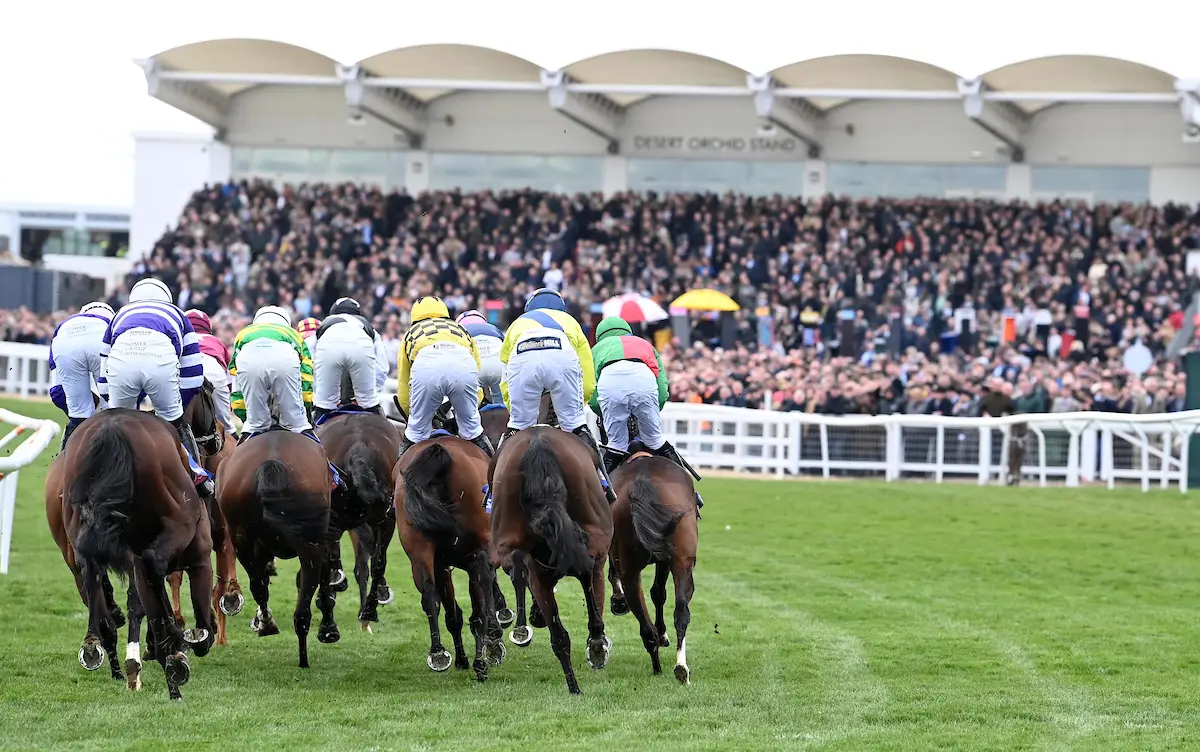
Why there is no racing in Britain on Wednesday: the strike explained
By Racing TV
Last Updated: Tue 9 Sep 2025
British racing will come to a halt on Wednesday as the sport seeks to demonstrate its opposition to proposed betting tax changes.
It was announced last month fixtures scheduled for Carlisle, Uttoxeter, Lingfield and Kempton would be cancelled as racecourses, owners, trainers and jockeys voluntarily refused to race for the first time in modern history in protest at suggestions the existing three-tax structure of online gambling duties could be condensed into a single tax.
There are fears the current 15 per cent duty on racing could be increased to the 21 per cent levied on games of chance, which would seriously impact racing’s finances, and the British Horseracing Authority’s acting chief executive Brant Dunshea feels it is important for the sport to make a united stand.
THERE IS RACING AT CORK IN IRELAND ON WEDNESDAY - CLICK FOR OUR TIPS!
Speaking to Sky Sports Racing at Windsor on Monday evening, he said: “We’re trying to create a space when leaders from across the sport, stakeholders and participants can come together at the heart of government, in Westminster, and sound out our clear message to government around the proposal to harmonise the betting duties.
“And that is that we don’t support that and we believe British racing should be treated differently to other betting products because of all the wonderful things we bring to Britain’s social fabric – 85,000 jobs across the country, we support communities right across the nation and we are global leaders and an important soft power lever for government.”
A major campaign event will be held in Westminster on the day, with senior leaders joined by owners, trainers and jockeys to highlight a threat the BHA estimates could cost the sport £330million over the first five years.
Questions and answers
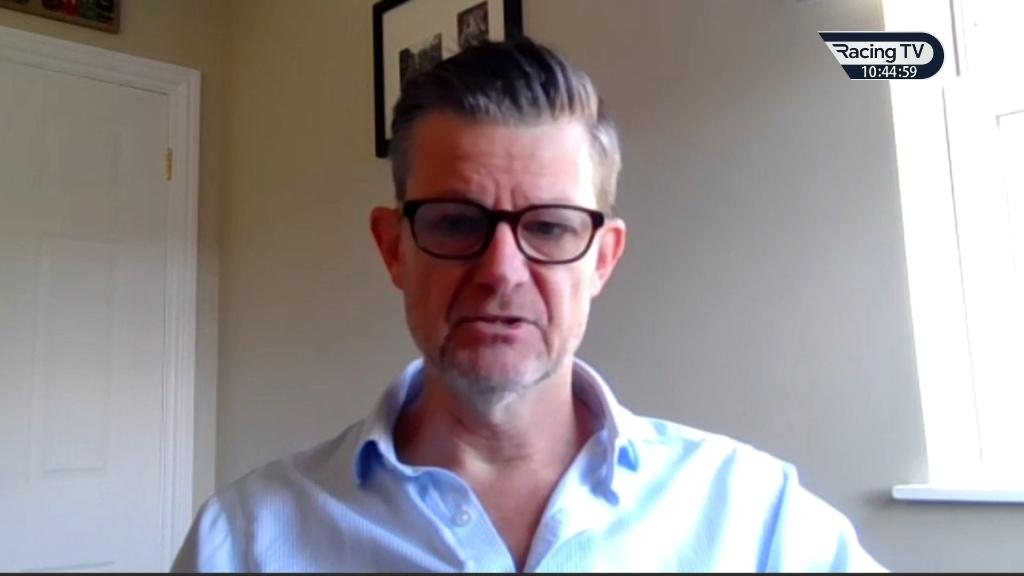
What is happening?
For the first time in the modern history of the sport in Britain, its participants will voluntarily go on strike for a day. A day of protest will be held in Westminster, with key industry figures set to speak at an afternoon event.
What does that mean?
Put simply, there will be no racing in Britain on Wednesday. The meetings scheduled for Lingfield, Carlisle, Uttoxeter and Kempton have all been rescheduled so racing can put on a united front in London.
And why has all this come about?
The strike announcement has come as part of British racing’s ‘Axe the Racing Tax’ campaign, which is urging the Government to rethink the Treasury’s proposal to bring existing online betting duties into one single rate.
Why would tax rises be so bad?
Economic analysis commissioned by the British Horseracing Authority has shown that aligning the current tax rate paid by bookmakers on racing with that of online games of chance could see a £330 million revenue hit to the industry in the first five years, putting 2,752 jobs at risk in the first year alone. Bookmakers currently pay 15 per cent tax on racing bets, but as they also pay into the Levy – at a rate of 10 per cent of all gross profits on racing betting – it is effectively a 25 per cent tax before any proposed rise.
Strike action will surely cost the sport money?
It will, it is estimated it will cost around £200,000 in lost revenue on the day.
So does the racing industry support the strike move?
In a word, yes. Racecourses, owners and trainers are all in agreement. When the strike was initially announced, the National Trainers Federation said cancelling fixtures was “a huge sacrifice” which should serve as a stark reminder to the Government of the impact its tax raid will have on our sport”.
Is this is a one-off, or will there be more strikes?
No more strikes are planned, as things stand.
Can I still have a bet anywhere on Wednesday?
You can have a bet in Ireland, where there is racing at Cork, as the action is just taking place in Britain with all other jurisdictions continuing as normal.
Axe The Racing Tax

Axe The Racing Tax! Sign the petition
Related posts
Under The Radar: Paddy Magee nominates three to follow
Ross Millar's Monday tips: "he is undeniably well handicapped"
William Buick set to be reunited with Touleen at Ascot
Bond Thoroughbreds: the inside track on their top team
Trustyourinstinct flies home to land Curragh Cup
Featured offers

Bet £10 Get £40 in free bets + Money back 2nd to SP fav with BOYLE Sports
T&Cs Apply
Claim Now
Bet £10 get £30 in Free Bets with TalkSportBet
T&Cs Apply
Claim Now
Bet £10 get £30 in Free Bets with BallyBet
T&Cs Apply
Claim Now

Bet £10 get £40 in free bets with Kwiff
T&Cs Apply
Claim Now
Get a £50 free bet when you bet £50 with Coral
T&Cs Apply
Claim Now
Copyright 2026 Racing TV - All Rights Reserved.
Please bet responsibly
Copyright 2026. All rights reserved