Login
WATCH FREE
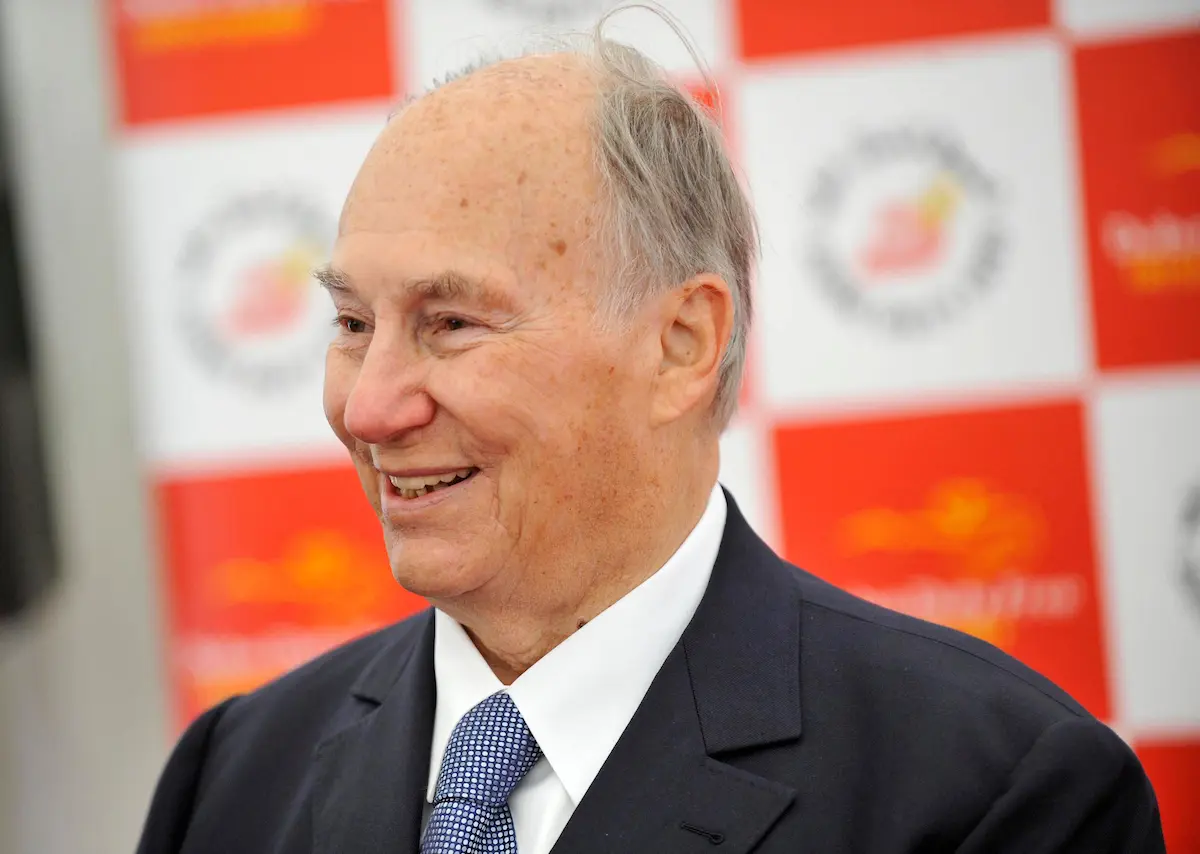
The Aga Khan, legendary breeder-owner, dies at age of 88
By Andy Stephens
Last Updated: Wed 5 Feb 2025
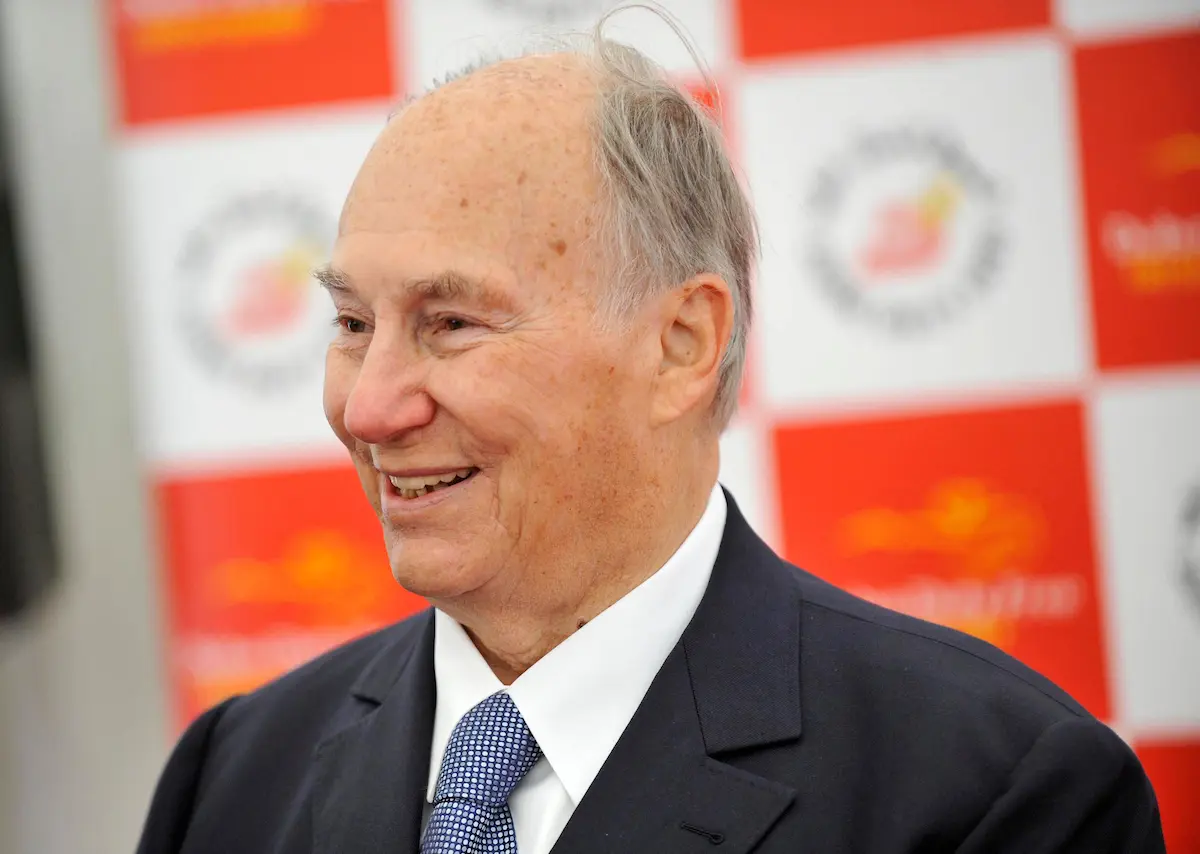
One of racing’s greatest owner-breeders, the Aga Khan, has died at the age of 88, it was announced on Tuesday night.
His famous red and green silks were synonymous with equine brilliance and were carried to Derby glory at Epsom on five occasions by Shergar (1981), Shahrastani (1986), Kahyasi (1988), Sinndar (2000) and, most recently, Harzand (2016).
He was responsible for many great champions, having inherited his family’s bloodstock empire in 1960, but his most famous horse was undoubtedly Shergar, who won the 1981 Derby in the hands of 19-year-old Walter Swinburn by a record-breaking 10 lengths that still stands as a benchmark for an iconic race first run in 1780.
Trained by Sir Michael Stoute, in Newmarket, the colt also won the Irish Derby – when Lester Piggott was in the saddle – and the King George VI And Queen Elizabeth Stakes in the same season.
Shergar was retired to stud at Ballymany in County Kildare with a syndicated value of £10 million, but the story went on to run much deeper than that when the big bay with the white blaze was kidnapped by masked intruders a foggy February evening in 1983.
The Aga Khan and the other co-owners refused to pay a ransom, days before Shergar was due to begin his second year as a stallion.
Shergar was never seen again and while many theories abound it is generally accepted the IRA were the culprits, that his abductors were ill-equipped to control a thoroughbred stallion and that he was killed shortly afterwards.
His remains have never been found. This Saturday mark the 42nd anniversary of when he was snatched.
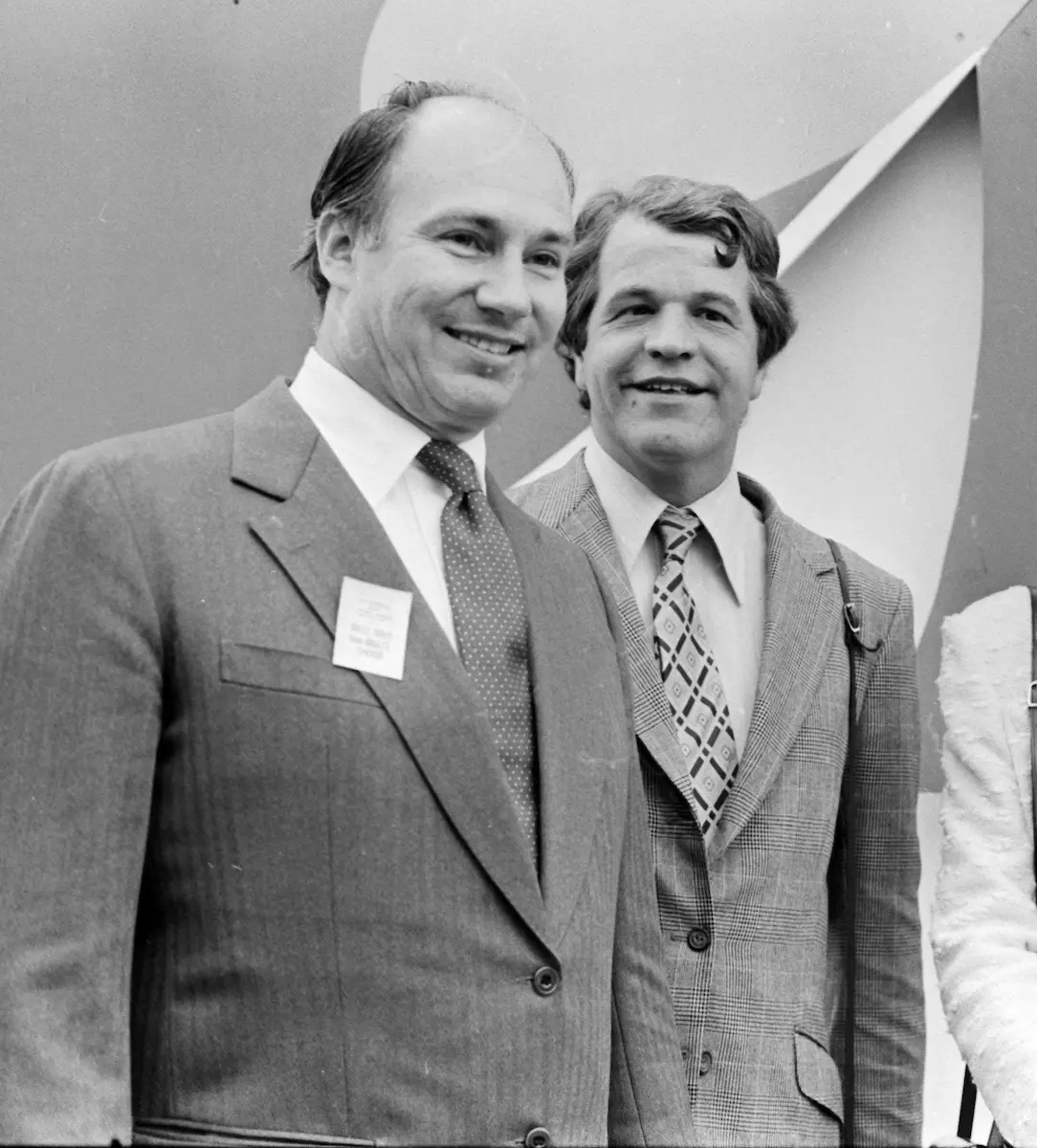
The Aga Khan and Stoute pictured at The Curragh in 1981
In addition to his Epsom heroes, the Aga Khan was responsible for seven French Derby winners: Top Ville (1979), Darshaan (1984), Mouktar (1985), Natroun (1987), Dalakhani (2003), Darsi (2006) and Vadeni (2022)
And his four Prix de l’Arc de Triomphe victors were Akiyda (1982), Sinndar (2000), Dalakhani (2003) and Zarkava (2008).
Racing fans will no doubt be divided over exactly who was his greatest horse, although few would question that the homebred Zarkava was his most outstanding filly.
She was sired by Group Two winner Zamindar and was out of the mare, Zarkasha, herself sired by Kahyasi.
Zarkava was blessed with deep reserves of speed and stamina and ended her flawless career unbeaten in seven starts.
She scooped the Prix Marcel Boussac, Prix de la Grotte, Poule d'Essai des Pouliches, Prix de Diane and Prix Vermeille before her final flourish at Longchamp.
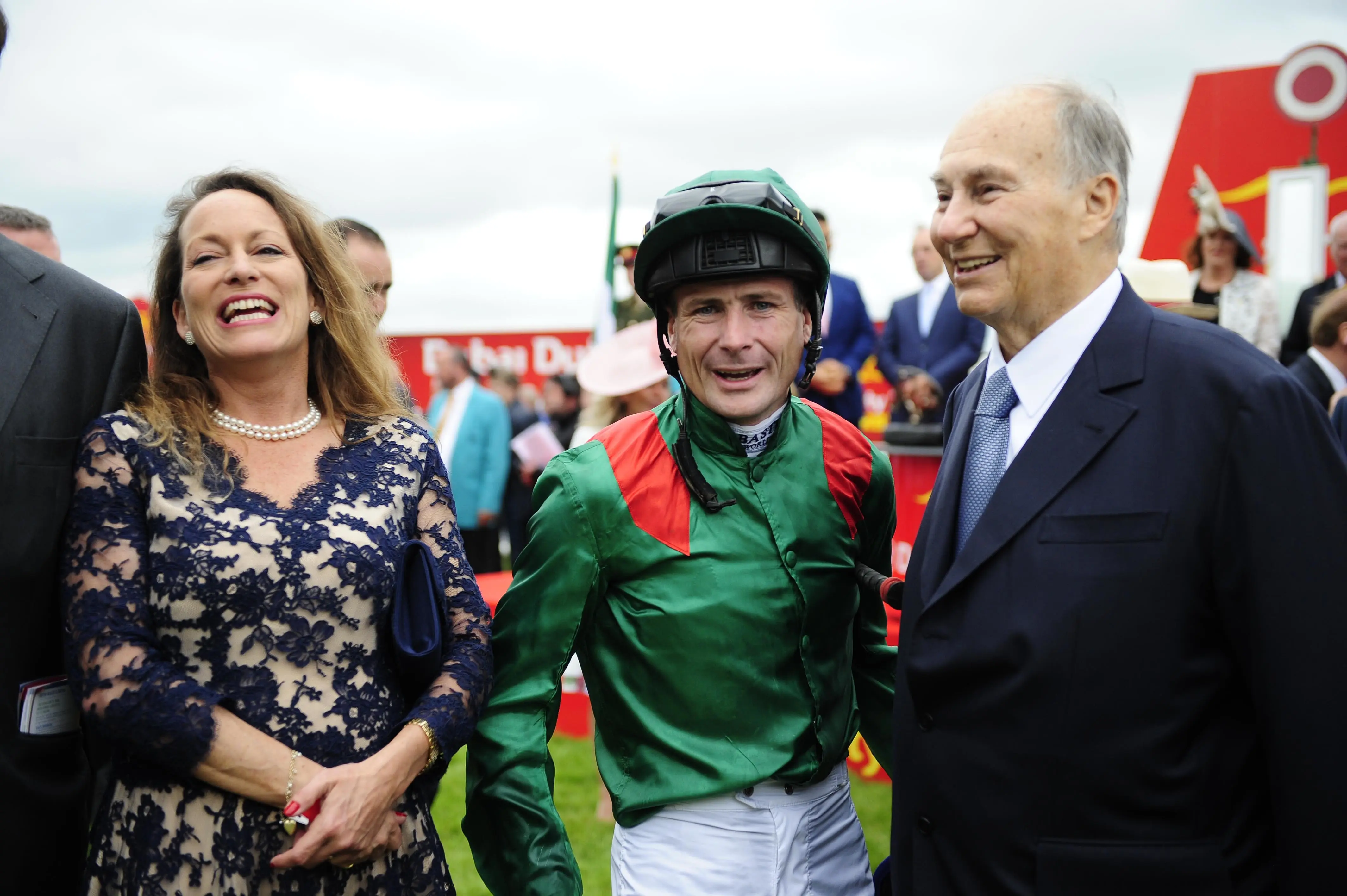
The Aga Khan and Pat Smullen after enjoying Classic glory with Harzand
The Aga Khan became the spiritual leader of the world’s millions of Ismaili Muslims at the age of 20, as a Harvard undergraduate, and poured a material empire built on billions of dollars in tithes into building homes, hospitals and schools in developing countries.
His Aga Khan Foundation announced on its website that Karim Al-Hussaini, the 49th hereditary imam of the Shia Ismaili Muslims, died on Tuesday in Portugal surrounded by his family. It said an announcement on his successor would come later.
He owned the largest and most powerful horse racing and breeding operation in France, Arqana, as well as other breeding/stud farms in Europe, including Gilltown Stud near Kilcullen in Ireland.
Sea The Stars, who carried all before him on the racecourse in 2008, is the leading stallion at the latter.
The now 19-year-old stands at his highest-ever fee of €250,000after last year being responsible for another 28 stakes winners.
Sadly, there was a lengthy period when the Aga Khan's silks were not sighted on British racecourses.
Towards the end of 1990, he withdrew his 90 racehorses from England following the disqualification of Aliysa after winning the 1989 Oaks.
Her post-race urine sample contained a derivative of the prohibited substance camphor. The race was awarded to the Henry Cecil-trained Snow Bride.
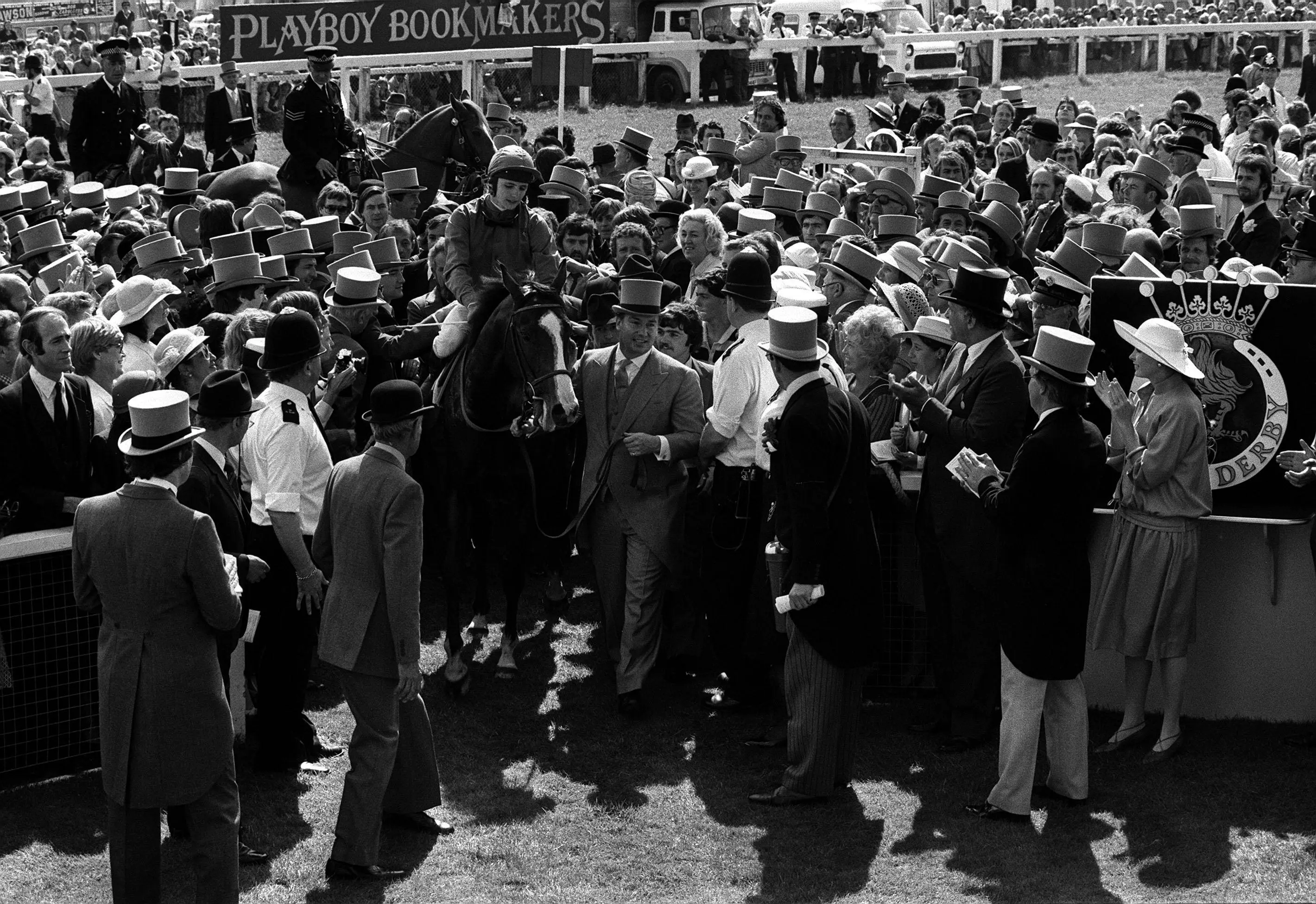
Shergar returns in glory
The Aga Khan believed his scientific assessment of the efficacy of the Jockey Club’s testing procedures revealed flaws but the disqualification was confirmed in December 1990.
It was a saga that would rumble on for three years before finally being concluded, but the Aga Khan had long removed the horses he had in training in Britain by then.
“It is not a decision taken lightly, and it is not a decision taken happily,” he said at the time. “But I have to weight that against the level of risk that I would be running if I continued with the present scientific circumstances. I don’t think it is possible to race under scientific conditions which are unsound.”
In 2022, Christophe Soumillon had his retainer with him ended with immediate effect following a controversial incident at Saint-Cloud.
The Belgian, who has been champion jockey in France 10 times, could be seen to move to his right mid-race in the Prix Thomas Bryon, sticking out an elbow, which forced Rossa Ryan on Ralph Beckett’s Captain Wierzba to be unseated. Ryan escaped injury in the incident.
Last year, all of his horses based with Jean-Claude Rouget were moved to the stable of Francis-Henri Graffard. And it was only in October of last year that Mickael Barzalona was appointed as the retained jockey for the Aga Khan Studs in 2025.
Five of his finest horses
Shergar (Sir Michael Stoute)
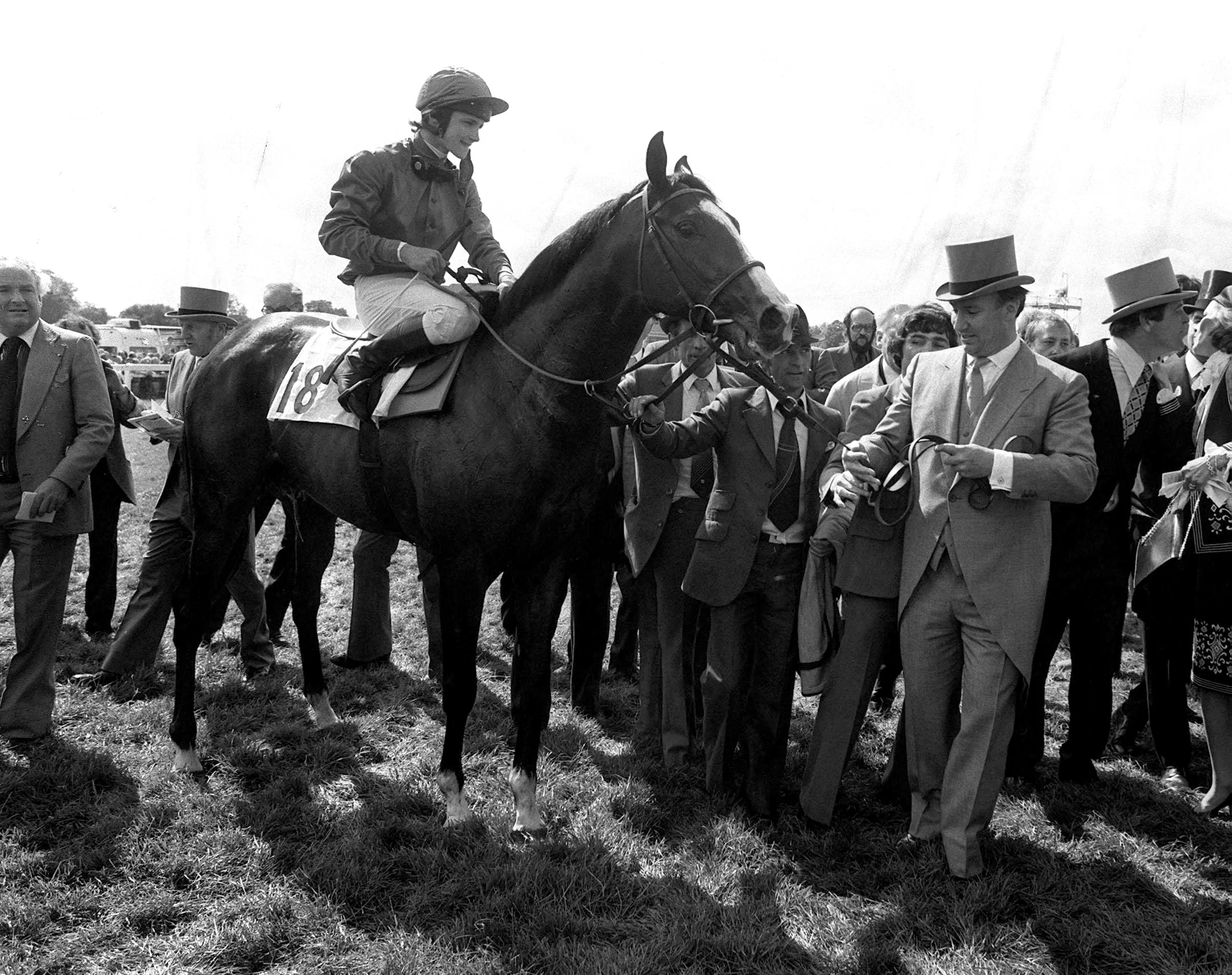
The Aga Khan leads in Shergar at Epsom (PA)
Shergar is one of the most famous racehorses in the world, and not just because of his 10-length romp in the 1981 Derby. Ridden by teenage jockey Walter Swinburn and trained by Sir Michael Stoute, Shergar was something of a freak. His record Derby win preceded a victory in the Irish version and he then beat his elders in the King George VI And Queen Elizabeth Stakes at Ascot. His sole defeat at three came in the St Leger. However, it was off the track that Shergar came to wider prominence, when in 1983 he was kidnapped from his Irish stud by men thought to be from the IRA. His remains have never been found.
Zarkava (Alain de Royer-Dupre)
Zarkava was arguably the Aga Khan’s greatest equine achievement. Homebred, from a long list of his own mares, she was a little out of the ordinary. Having made her debut in the September of her two-year-old season, she went on to win a Group One on just her second start. She won her trial for the French Guineas easily before beating none other than Goldikova in the Poule d’Essai des Pouliches. Further victories in the Prix de Diane and Prix Vermeille followed, before her finest hour, a two-length victory in the Prix de l’Arc de Triomphe. She went unbeaten throughout her career.
Sinndar (John Oxx)
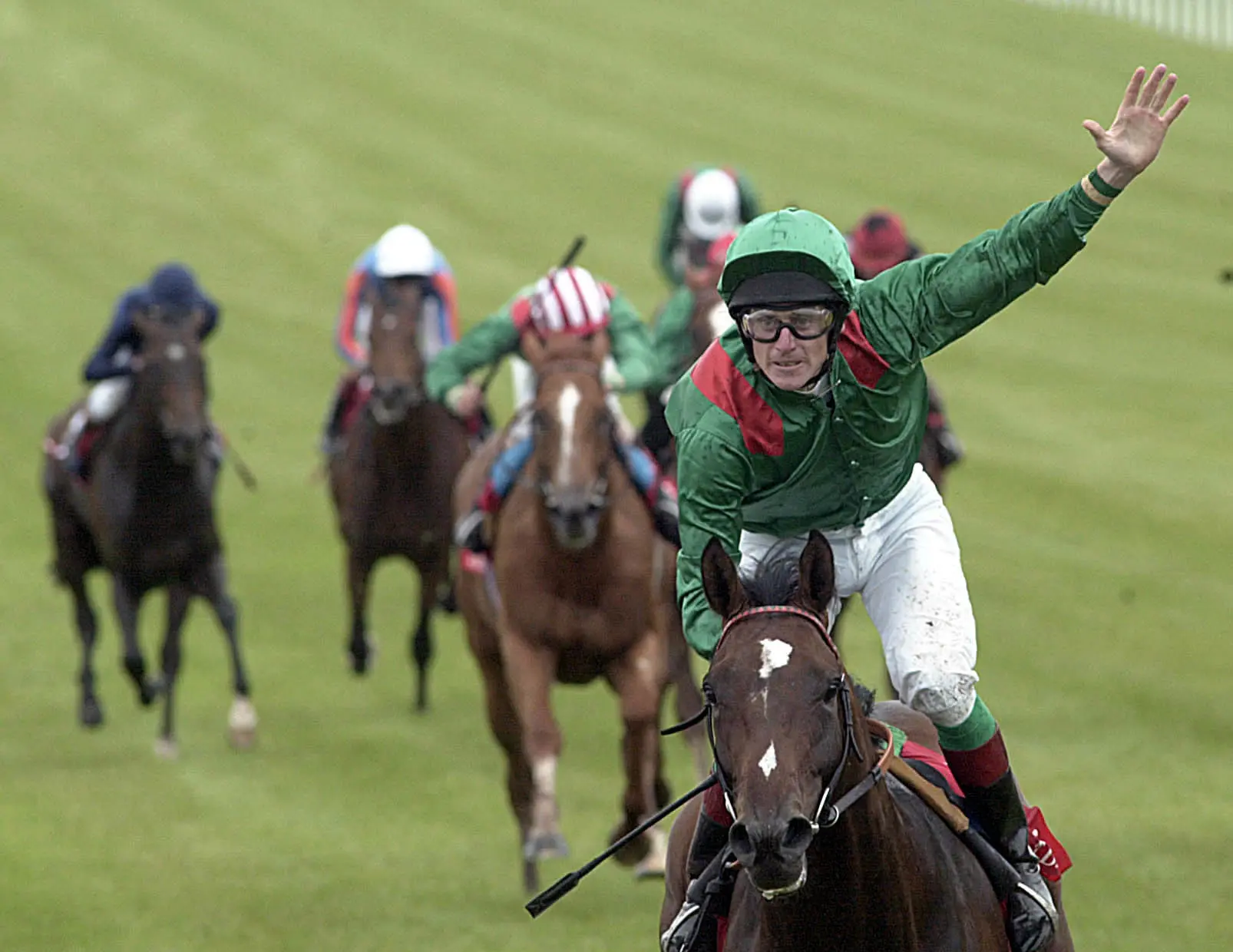
Johnny Murtagh salutes the crowd after winning the Irish Derby on Sinndar (John Cogill/PA)
The Aga Khan struck up a very useful partnership with Irish trainer John Oxx and Sinndar perhaps does not get mentioned when recalling the greats as much as he should. He was only defeated once in eight races, winning the English and Irish Derby, the Prix Niel and the Prix de l’Arc de Triomphe. He had also won the National Stakes as a juvenile. He beat Sakhee at Epsom, who would win the Juddmonte International and Arc the following year, while at stud he went on to produce Youmzain, famously second in three Arcs.
Alamshar (John Oxx)
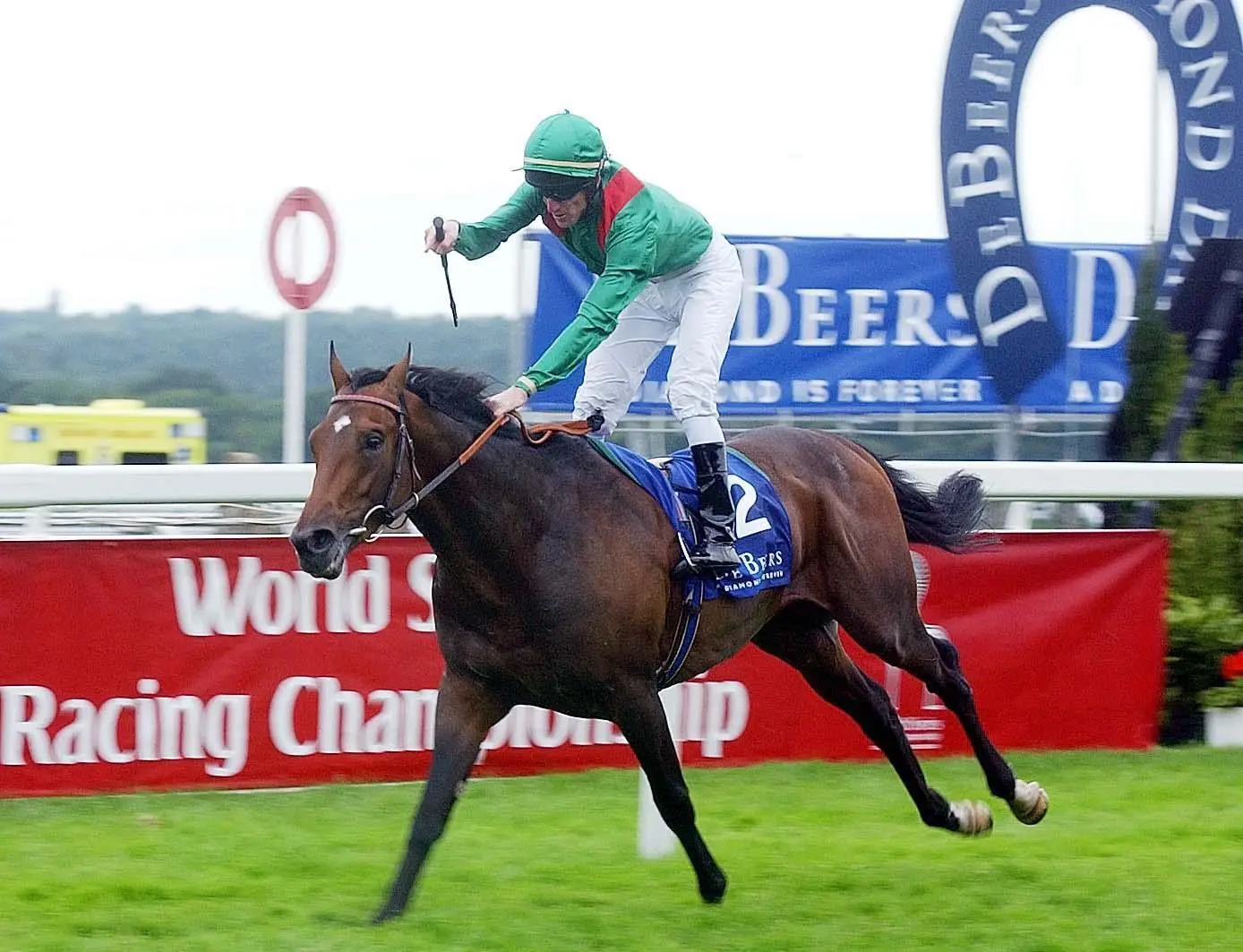
Alamshar won the King George at Ascot in style (Sean Dempsey/PA)
Another top-class colt trained by Oxx for the Aga Khan, Alamshar won both his starts, including the Beresford Stakes. Beaten on his return at three in the Ballysax, he won the Derrinstown Derby Trial but was third at Epsom behind Kris Kin. Sent to the Curragh for the Irish Derby he was running in the Aga Khan’s green and brown second colours, with Dalakhani, the French Derby winner, the odds-on favourite. Alamshar won by a length, though. His best performance was undoubtedly on his next start at Ascot in the King George, however, as he left a top-class field that included Sulamani, Nayef, Bollin Eric and Falbrav trailing in his wake. Back in third was Kris Kin.
Tarnawa (Dermot Weld)
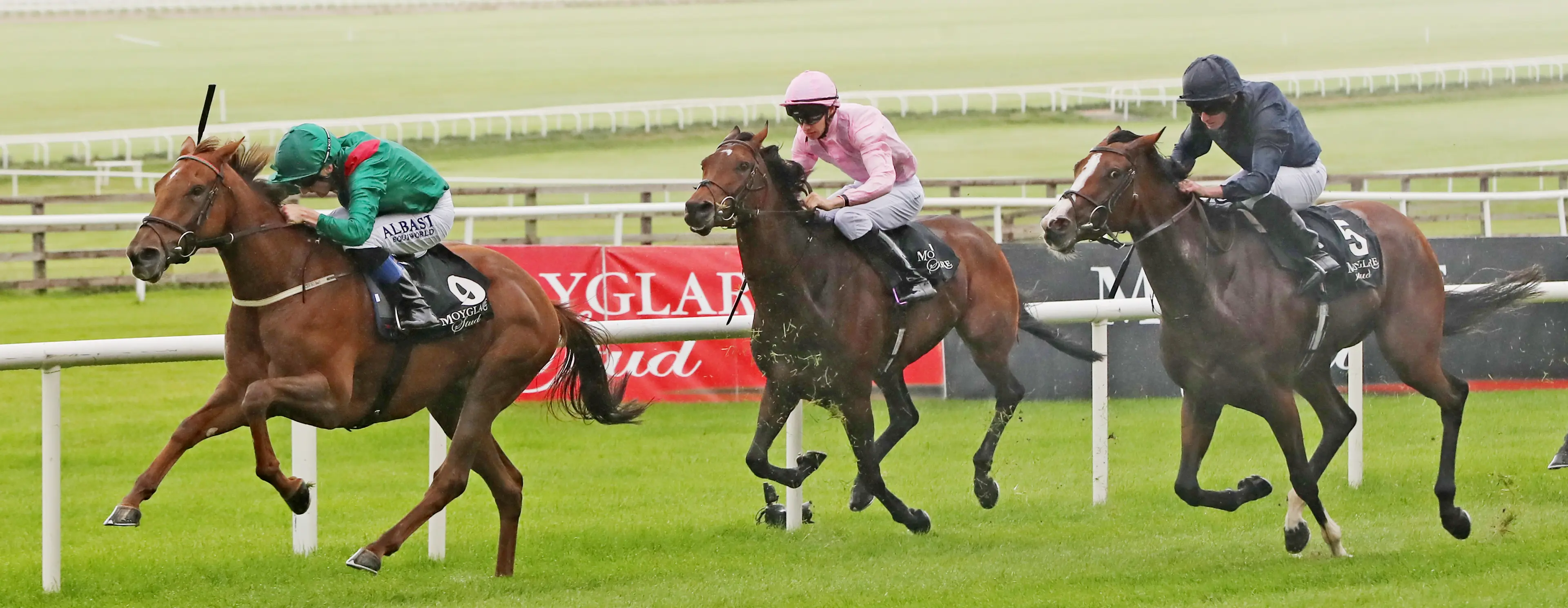
Tarnawa matured slowly but became a star (Niall Carson/PA)
In later years the Aga Khan had a large majority of his horses in Ireland trained by Dermot Weld, with Tarnawa proving the best of them. Only 11th in the Oaks at Epsom at three, she looked a long way from the star she would eventually become at that stage. Given a break by Weld, she hinted at what was to come in the second half of the season when winning the Blandford Stakes. But it was as an older horse she thrived, although not out until August when she won a Group Three. She went on to complete a Group One hat-trick in the Prix Vermeille, Prix de l’Opera and Breeders’ Cup Turf. Returning as a five-year-old with the sole aim of winning the Prix de l’Arc de Triomphe, she narrowly came up short when second to outsider Torquator Tasso.
Related posts
Under The Radar: Paddy Magee nominates three to follow
Ross Millar's Monday tips: "he is undeniably well handicapped"
Bond Thoroughbreds: the inside track on their top team
Trustyourinstinct flies home to land Curragh Cup
William Buick set to be reunited with Touleen at Ascot
Featured offers
Get a £50 free bet when you bet £50 with Coral
T&Cs Apply
Claim Now
Bet £10 get £30 in Free Bets with BallyBet
T&Cs Apply
Claim Now
Bet £10 get £40 in free bets with Kwiff
T&Cs Apply
Claim Now
Bet £10 get £30 in Free Bets with TalkSportBet
T&Cs Apply
Claim Now
Bet £10 Get £40 in free bets + Money back 2nd to SP fav with BOYLE Sports
T&Cs Apply
Claim Now
Copyright 2026 Racing TV - All Rights Reserved.
Please bet responsibly
Copyright 2026. All rights reserved