Login
WATCH FREE
Randox Grand National: Lydia Hislop recalls five memorable winners
By Lydia Hislop
Last Updated: Fri 12 Apr 2024
Lydia Hislop remembers five winners that figure prominently in the Grand National annals - and the same five horses that are guides for our star presenter's runner-by-runner 2024 Grand National guide. Make sure to have a look!

RED RUM
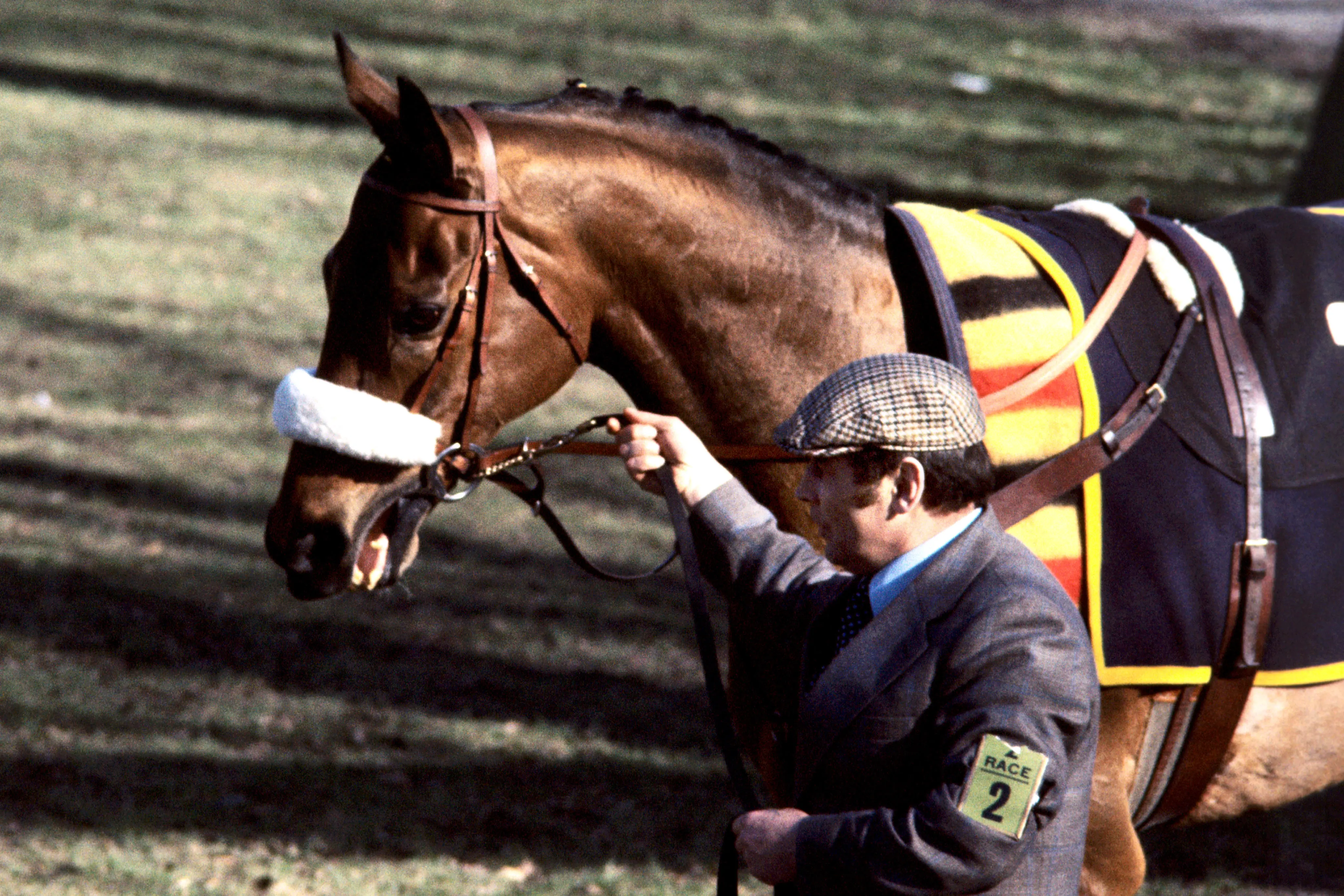
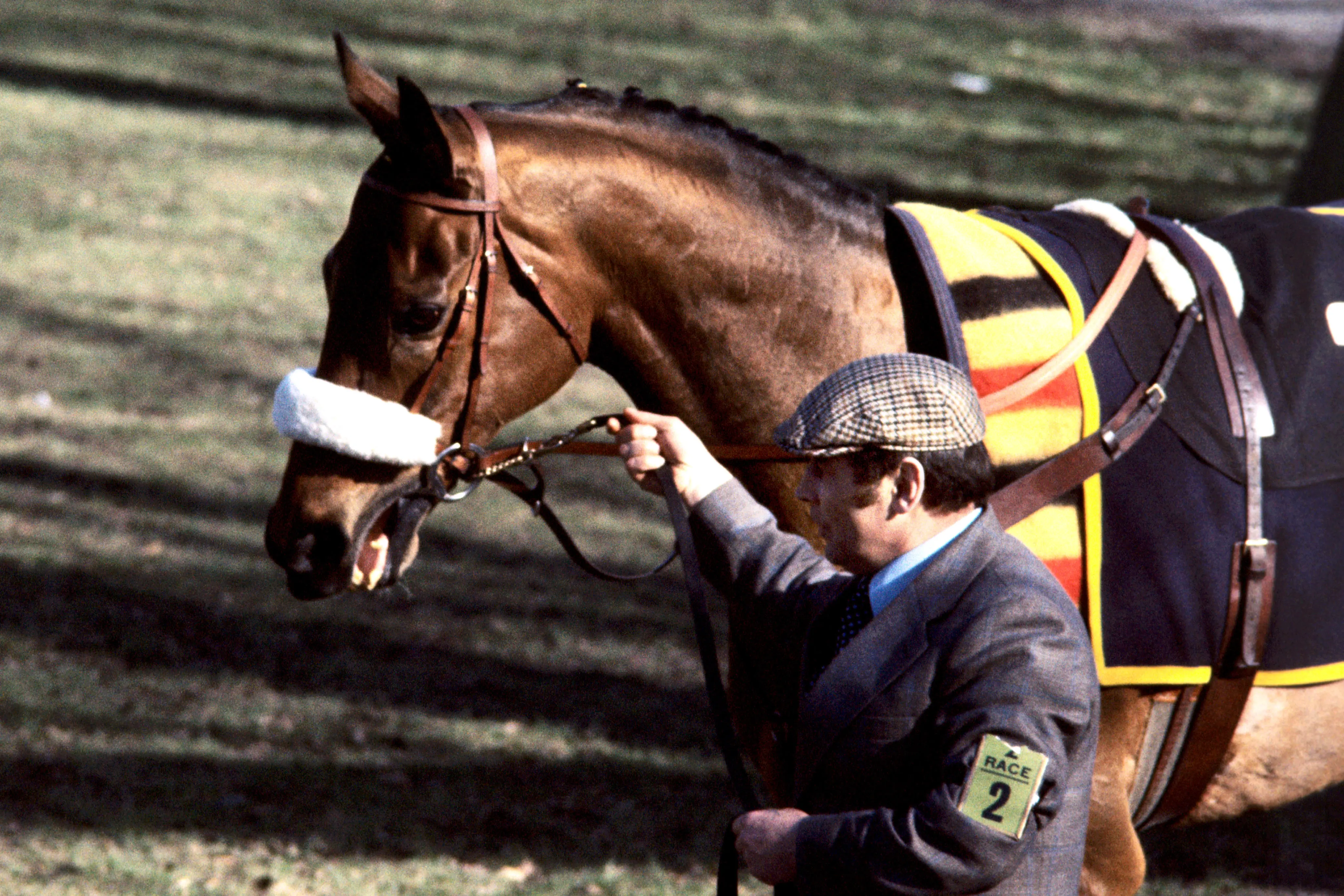
Red Rum remains the greatest National horse of all time, winning the race an unparalleled three times and finishing second on the two other occasions on which he contested the race.
He became an icon of his age, trained to achieve his greatest feats by the equally memorable secondhand car-dealer Ginger McCain. The horse is widely credited with reigniting public affection for the Grand National in the 1970s, thus saving Aintree racecourse from the bulldozers when it was under perennial threat from property developers.
Red Rum began and ended his career at the Liverpool track, starting as a two-year-old over five furlongs and taking his final steps as a racehorse when exercising there prior to the 1978 National, which he never contested due to lameness. He led the pre-race parade, however, and enjoyed great celebrity until his death through old age at 30. He is buried, facing victory, next to the winning post.
If you want to find out more about this characterful horse, I wrote a celebration of his life on the 50th anniversary of his first success in 1973.
WEST TIP
Watch our dedicated Grand National preview with Lydia, Ruby Walsh and Jane Mangan
West Tip contested the National for six consecutive years and was unlucky not to record a full house of completions. Yet he was lucky to be around at all, having been injured in a hit-and-run collision with a truck whilst exercising with the rest of trainer Michael Oliver’s string in Lambourn when just five years of age. His injuries required 70 internal stitches alone, and it was feared he might not survive.
Instead, marked with a large distinctive scar on his hindquarters, West Tip thrived. After winning at the 1985 Cheltenham Festival, he was sent off favourite for the following month’s Grand National and widely expected to win. Travelling strongly under Richard Dunwoody, the future champion jockey’s first ride in the race, he crumpled on landing at Becher’s Brook on the second circuit.
Twelve months later, the duo returned and got the better of a sustained duel with Young Driver on the run-in. In four subsequent National outings, West Tip hit the frame three times – fourth in both 1987 and 1988 before finding only fellow Aintree stalwart Little Polveir too good in heavy going in 1989. On his last Aintree appearance a year later, aged 13, he finished an honourable tenth behind Mr Frisk.
HIGHLAND WEDDING
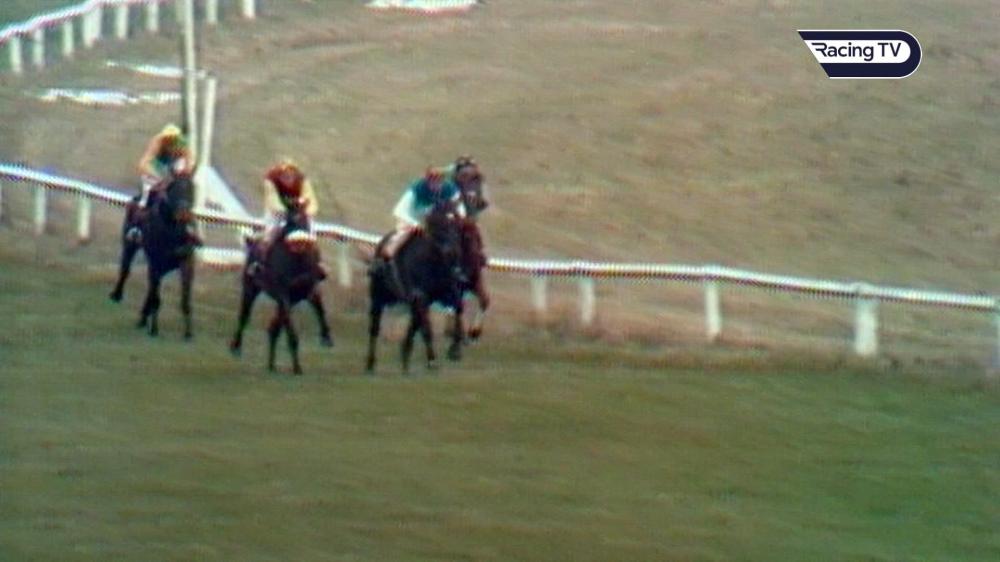
It took Highland Wedding three attempts to win the Grand National, having been outpaced at a crucial stage in both the 1966 and 1968 editions. Lining up at the age of 12 in 1969, most observers believed his chance had gone but trainer Toby Balding brought him in great form, the horse having won his last three starts.
During the race, the commentator mistakenly called Highland Wedding a faller at Becher’s Brook second time but that error became obvious when the subject of his error jumped into the lead two fences later. From there, he drew further clear to win by 12 lengths from Steel Bridge.
Highland Wedding was ridden by former Olympic equestrian Eddie Harty, a substitution after regular pilot Owen McNally broke his elbow. The horse was owned by American sportsman Thomas McCoy Jnr and Canadian Charles Burns, carrying the latter’s silks to his two National defeats and the former’s for his victory. But it was in Canada that he would enjoy his retirement after racing.
RED MARAUDER
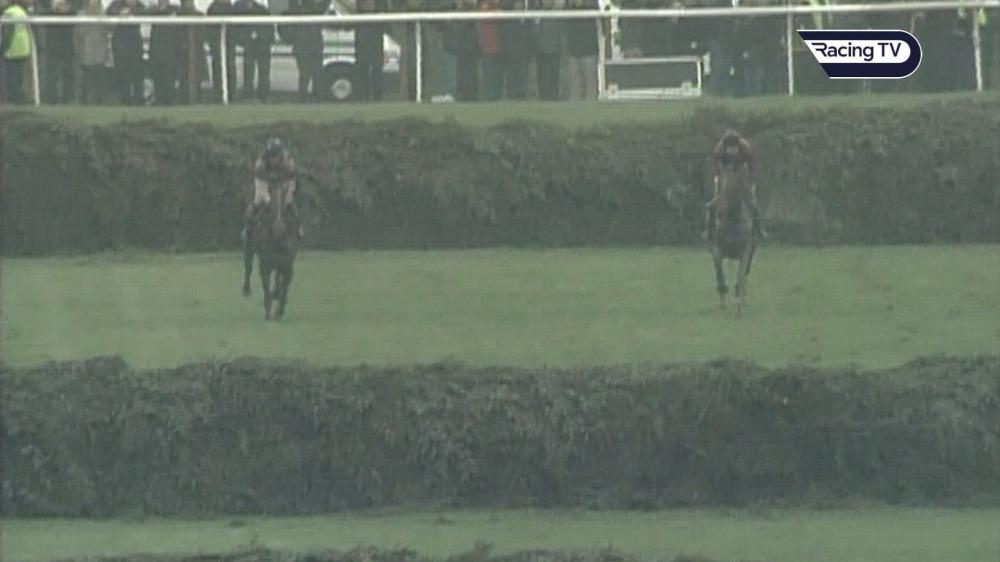
Those photographs of jockey Richard Guest and Red Marauder following their 2001 National victory, is famous. His arm is raised towards the crowd in triumphant salute. His face, his red-and-blue silks and his breeches are all slaked in mud. Later, when he’s leading his horse on foot back to the winner’s enclosure, both exhausted by their exploits, the elation is palpable.
Red Marauder had fallen on his first encounter with Becher’s Brook in the 2000 edition and was a largely unconsidered 33/1 chance the following year, in a race that beat the odds itself. Foot-and-mouth disease had claimed the previous month’s Cheltenham Festival and heavy rainfall made underfoot conditions close to untraceable. Indeed, the decision to go ahead on such heavy ground drew wide criticism post-race.
Only four horses finished, two of those – third Blowing Wind and fourth, then-titleholder Papillon – having been remounted in a recourse that is not now permitted. Quarter of the field had been taken out when a loose horse caused chaos at the Canal Turn. Conditions then took their toll on others, leaving runner-up Smarty and Red Marauder with the race to themselves for much of the final circuit, the former tiring only at the second last to leave the latter winning by 30 lengths.
Although Norman Mason is credited with training the horse, in truth that was also the work of his rider, who nursed Red Marauder back from two major injuries and kept him in retirement until the horse’s death in 2016. Their winning time of more than 11 minutes was the slowest in more than a century.
FOINAVON
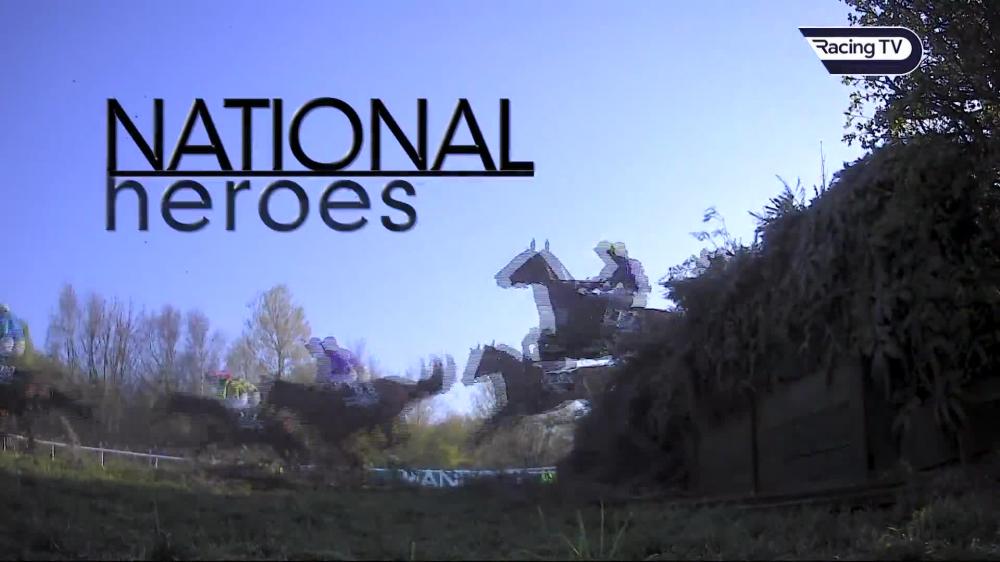
Foinavon: an iconic winner of the world's most famous steeplechase
Among the 44 horses who lined up for the 1967 Grand National, Foinavon was one of 13 rated as 100/1 rank outsiders by the bookmakers. Best known for his constant companionship with a white goat called Susie rather than for anything he’d achieved as a racehorse, he was considered to hold so little chance in a strong edition of the race that even his owner didn’t turn up to watch.
His trainer John Kempton usually partnered the horse, but opted to ride at Worcester that day where he won a novice hurdle on a horse called Three Dons. The jockey whose name instead appeared in the history books was 27-year-old John Buckingham, a National debutant.
In the race, an unusually large number of runners were still in contention at Becher’s second time around. That would all change at the very next fence – the smallest on the course – where the riderless Popham Down, who’d been brought down at the first fence, careered across in front of the field. This caused a pile-up never before seen in the post-war sport, almost the entire field crashing into each other and brought to a standstill.
Foinavon had been racing in rear at the time, affording Buckingham plenty of time to engage evasive tactics. Picking their way through the carnage, the partnership emerged from the fence with a clear lead and a handful of pursuers – all of whom had either refused or been remounted at the fateful obstacle – were unable to catch him. That fence is still named in Foinavon’s honour.

Related posts
Sheikh Ahmed bin Rashid Al Maktoum dies aged 76
Richard Hannon breaks new ground with North American winner
Guinness Kerry National: guide to the key players
Craig Williams booked for James J Braddock mount in Melbourne Cup
Winless Ones To Watch: five more Jumps horses to follow this season
Featured offers

Bet £10 get £40 in free bets with Kwiff
T&Cs Apply
Claim Now
New UK customers. Place a £10 real money bet at min. 2.0 odds within 5 days of deposit. Get 4 x £10 Free Bets: 1 Single, 2 Accas & 1 Bet Builder (min. 3 selections each). Excludes cashout, E/W, Multis, Ineligible Markets & Odds Boosts. Credited after bet settlement. 7-day expiry. T&Cs apply. 18+ GambleAware

Bet £10 get £30 in Free Bets with talkSPORT BET
T&Cs Apply
Claim Now
talkSPORT BET: Bet £10 get £30 in Horse Racing Free Bets. 18+ GambleAware

Bet £10 Get £40 in free bets + Money back 2nd to SP fav with BOYLE Sports
T&Cs Apply
Claim Now
BOYLE Sports: Bet £10 Get £40 in free bets + Money back 2nd to SP fav with BOYLE Sports. 18+ GambleAware

Bet £20 and Get £40 in Free Bets with Unibet
T&Cs Apply
Claim Now
Unibet: Bet £20 and Get £40 in Free Bets with Unibet

Get 50% back up to £50 with QuinnBet
T&Cs Apply
Claim Now
New UK Customers Only. Bet £10+ on any sportsbook markets at odds of evens (2.00) or greater. Get 50% back of your first day’s losses as a Free Bet up to £50, valid for 7 days. 18+ GambleAware.
Copyright 2026 Racing TV - All Rights Reserved.
Please bet responsibly
Copyright 2026. All rights reserved