Equine flu outbreak: Q&A and more details
By Racing TV
Last Updated: Mon 18 May 2026
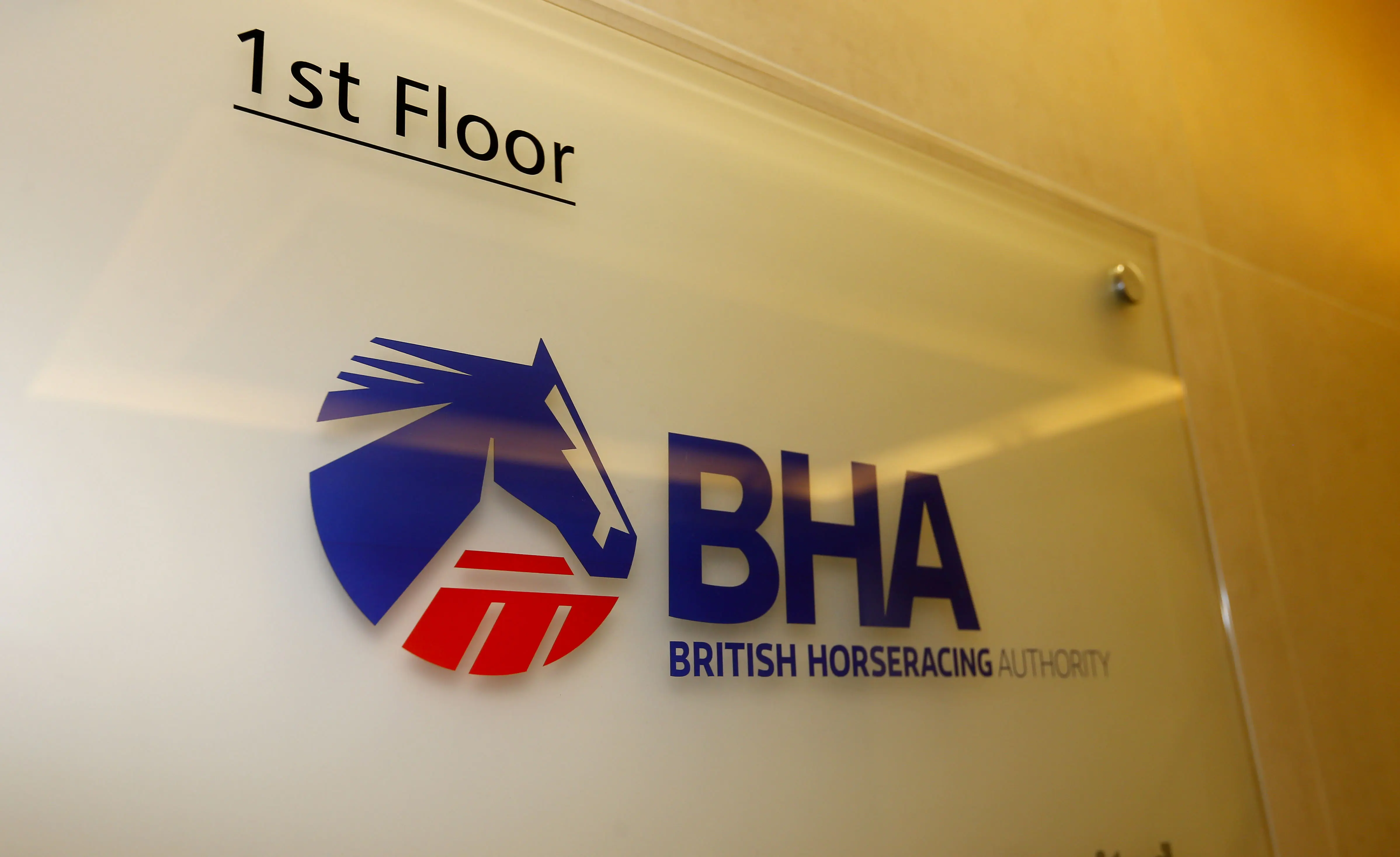
After a meeting at Plumpton was called off earlier this month as a “precautionary measure” following a confirmed case of equine flu in an unvaccinated non-thoroughbred at a nearby livery yard, the popular hunter chase fixture scheduled for Stratford on May 29 will also not take place, due to further measures being implemented by the British Horseracing Authority. Here we look at some key questions:
What is equine flu?
Equine flu is an airborne virus and highly contagious. It is treated much the same as human flu, with rest and other medications for symptoms as needed. If one or two horses in a yard, or even several, are off colour then typically a trainer will isolate them and carry on business as usual. But the nature of the virus is such that any potential contact, on the racecourse, in stables or even in reasonable vicinity with an affected animal, presents an evident risk of spreading the infection.
What happened the last time there was a serious outbreak?
In February 2019 racing in Britain was brought to a halt for six days, with many yards across the country placed on lockdown in the biggest shutdown in racing since the misery of 2001, when the foot-and-mouth crisis caused the abandonment of the Cheltenham Festival. The BHA is therefore hoping the action it is taking will prevent a costly and dispiriting long-term disruption, which in the case of the 2019 outbreak ran into tens of millions of pounds.
What are the latest measures by the BHA?
The latest measures aim to prevent any mixing between the thoroughbred racing herd and horses and ponies from yards that are not licensed. As a result, all hunter chase fixtures and races – races restricted to amateur riders and horses that hold a valid certificate but can also feature horses from ‘regular’ recognised trainers – have been called off from May 20, together with ex-racehorse parades at race meetings and things such as petting farms and pony rides that form part of family fun day entertainment.
Are the lives of racehorses at risk?
It is a requirement that all racehorses be vaccinated against flu, as this is an important barrier preventing spread of the virus and will mitigate the impact. Booster vaccinations must be administered at intervals of no more than six months apart. Animals most vulnerable to equine flu are – as with the human strain – the already sick, very young or very old. Few in professional racing yards fall into any of those categories.
Is there any risk to human health?
There is no known human health risk associated with the virus.
Are any other horses showing signs of infection?
No, currently no other horses are showing any signs of infection but due to the close proximity of the yard to the racecourse, Plumpton was cancelled as a precautionary measure and Stratford is off due to the nature of the races at that particular fixture.
Plumpton was not a one-off, then, now we have Stratford – could there be more meetings abandoned?
It is impossible to say. The BHA says there is a continued rise in reported cases in the non-thoroughbred population, hence further measures have been taken.
Should we be worried about Royal Ascot? It starts next month
There is no suggestion of any concerns at this stage, although of course Ascot is famous for its horse-drawn royal procession before racing and the BHA has said it is in discussions with Ascot to ensure that can go ahead.
Related posts
Aidan O'Brien 2026 Betfred Derby Festival Stable Tour and more
Racing TV French Champion Hurdle: Losange Bleu regains crown
Hollie Doyle shines from the front on Your Song
Selma De Vary lands French Triumph for Mullins and Townend
Ross Millar's Monday tips: "he can dominate this contest"
Featured offers

Bet £10 & Get £30 in free bets with bet365
T&Cs Apply
Claim Now
Bet £10 Get £30 in free bets in Multis with Betfair
T&Cs Apply
Claim Now

Bet £10 Get £30 in free bets with Betano
T&Cs Apply
Claim Now

Bet £10 get £40 in free bets with Kwiff
T&Cs Apply
Claim Now

Bet £10 Get £30 in free bets + Money back 2nd to SP fav with BOYLE Sports
T&Cs Apply
Claim Now
Copyright 2026 Racing TV - All Rights Reserved.
Please bet responsibly
Copyright 2026. All rights reserved