Login
WATCH FREE
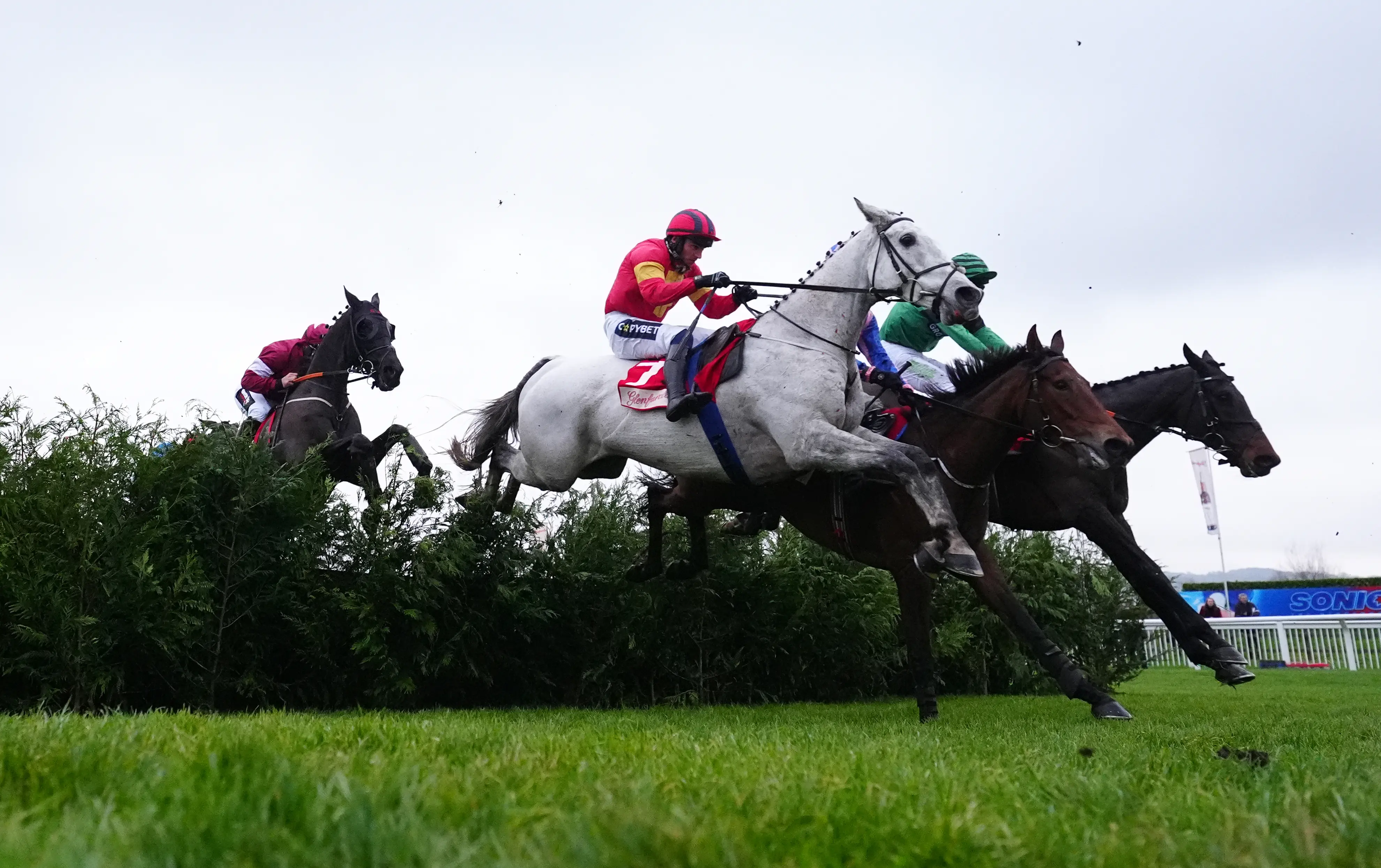
Why this weekend is likely to have a huge bearing on the Festival

By Matt Tombs
Last Updated: Fri 12 Dec 2025
The previous four weekends might be considered the core autumn programme, especially since the changes to the programme at Navan and Punchestown two seasons ago and the moving of the International Hurdle to January.
The last two weekends before Christmas are lower key in terms of fewer established stars being on show and so they can be lower on punters’ radars, but they provide several races that have been strong guides to the Festival. It can be easier to get an edge from these lower profile races that are good Festival trials than from the big races everyone is focused on.
The December Gold Cup at Cheltenham is the joint-strongest handicap before the Festival if judged in the simple terms of producing the most winners at the Festival this century – 13, (the joint-fifth most of all races.) That overall record stands at 13/159 – 38pt (24%) profit.
Some races are a good trial for a specific Festival race, others are just strong contests and so good trials for the Festival overall. The December Gold Cup is the latter, with those 13 winners spread across eight Festival races. Four have come from the past six renewals and it’s been a consistent source of winners all century.
While it has produced three winners of the Ryanair and Plate, (small losses backing blind in both races), perhaps more interesting is the record in staying races. It has produced five winners from 38 runners in races over three miles or further - 67pt (175%) profit. The winners are spread across the Ultima (2), Kim Muir, National Hunt Chase and even the Pertemps.
A factor here, and more widely, is that horses being targeted at the Festival, especially handicaps, are often campaigned over different distances earlier in the season. Those five winners had run 23 times between them during the season before their Festival wins. Only one of those 23 runs had come at a trip as far as they won over.
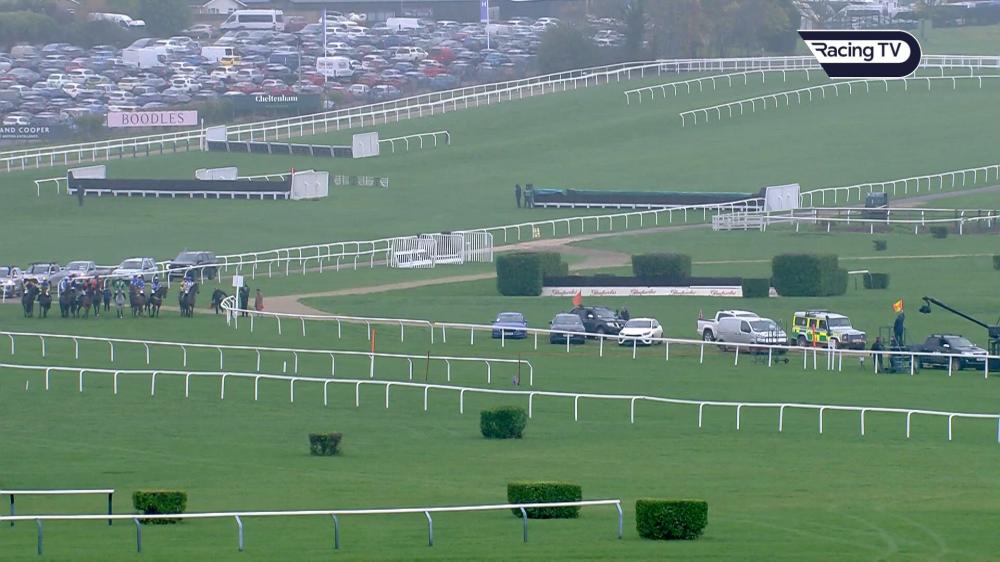
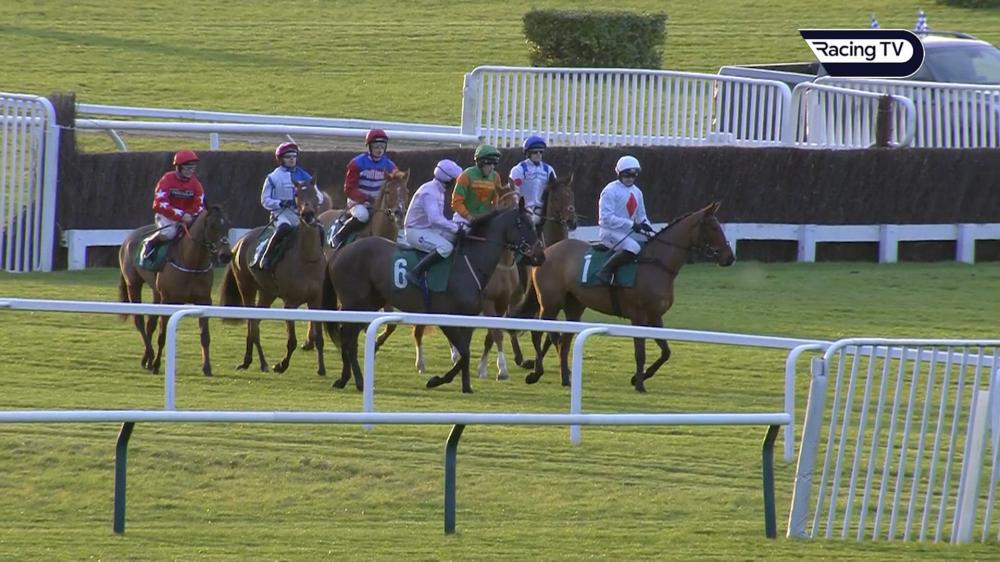
Enjoy a replay of the Paddy Power Gold Cup
They finished 30P37 in this. When I re-watch strong races like the December Gold Cup, I’m looking for horses that I think were using it as a stepping stone and could improve significantly at a different trip in March.
Looking at Saturday’s race itself, there is always a lot of chat about how good a trial the Paddy Power Gold Cup is. Numerically that’s true – it has produced ten of the past 19 winners. They are rarely ignored by the market though, and if you’d backed all 89 such runners you’d have made only an 8% profit.
The Paddy Power winner does not run on this occasion, but in any case it’s been those beaten in November that we should focus on, December Gold Cup winners having finished 31252093F4 in the Paddy Power this century. Vincenzo (2nd), Hoe Joly Smoke (3rd), Il Ridoto (8th) and Es Perfecto (pulled up) could all try and enhance that record.
Bristol Novice Hurdle is an excellent guide
There is only one graded conditions race at Cheltenham this weekend, (compared to four at the three-day meeting last month), the Bristol Novice Hurdle on Saturday over the same course and distance as the Albert Bartlett.
When looking at a race as a Festival trial over a long period, you need to analyse whether either race has changed such that the stats may be misleading.
The Bristol needs looking at in that context - winners have a fine record in the Albert Bartlett finishing 3141P2FP131009, those four winners producing a 44pt (314%) profit. With half of those 14 Bristol winners finishing in the first three of such an unpredictable race, it’s been an excellent guide.
Part of the reason may be the unusual layout of the hurdles track on the New Course. The third last flight is typically about seven furlongs from the finish. That makes jumping less of a factor at the business end than in similar races at plenty of other tracks and places a bigger emphasis on stamina. A moderate jumper like Jasmin De Vaux was very much suited by the course layout in last season’s Albert Bartlett.
However, the last Albert Bartlett winner the Bristol has produced was Kilbricken Storm in 2018, since which three Bristol winners have run in the Albert Bartlett and have all been out with the washing. Three runners is a tiny sample and I would not be saying that the Bristol is no longer a good trial.
Rather that, like so many of the Festival conditions races, the Albert Bartlett has been Irish dominated recently, Irish trained horses having won six of the last seven renewals – so the form of the Bristol now needs reading in that context. It’s still an inherently good trial – provided high enough quality novices are running in it, which is something better judged after the race.
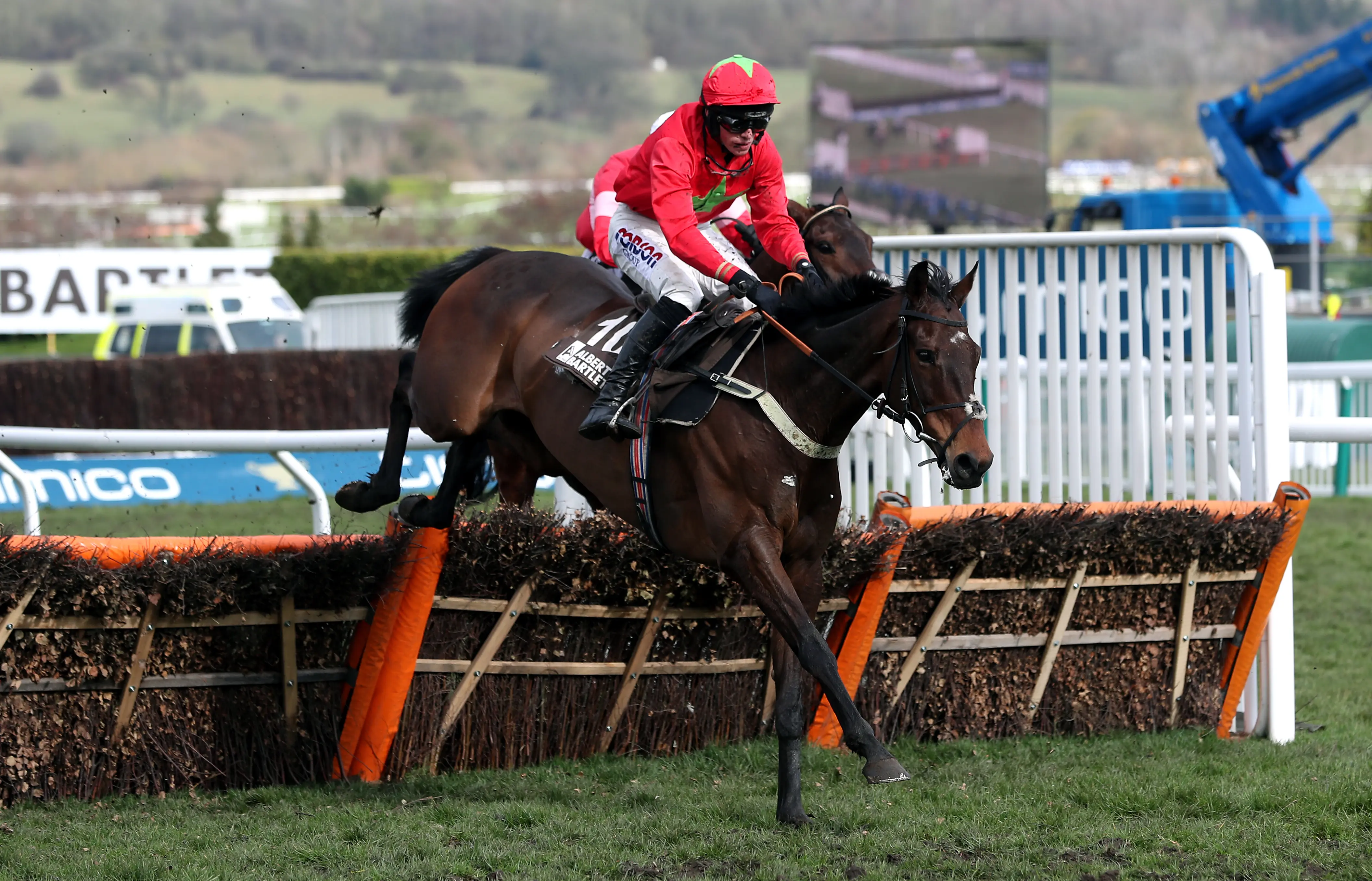
Kilbricken Storm did the double in 2018
Lazy punters
I like to watch races like the Bristol and try to assess the relative strength of the British and Irish staying novice hurdling form. These days there are some lazy punters around who just assume the Irish form will be superior. It’s odds-on it will be, but it won’t be every year and if as the season progresses you think the top-end of the British form is similarly strong, the Bristol is the key trial to have in mind having produced four of the nine British trained Albert Bartlett winners so far.
Timing is all-important in ante-post betting and of all the Grade Ones at the Festival, the Albert Bartlett is arguably the least good ante-post race. Ten of the past 12 winners have gone off double-figure prices, including three 33-1 shots and a 50-1 chance.
Such long shots are invariably defensively priced ante-post and the best value is usually during Festival week, often on the day. You need an unusually strong opinion not to be holding fire after watching Saturday’s Bristol - it’s form for the notebook to help you be ready for the complex challenge of finding the Albert Bartlett winner come March.
Cross-country winner in March likely to be in action
When analysing cross-country races at Cheltenham, the most important factor is the very tight nature of the track (which had to be shoehorned into the middle of Prestbury Park in the 1990s). It means there are few chances to gallop until the business end and the consequent very steady pace means it is much easier to give weight away than in conventional handicaps. The test is all about being able to keep on an even keel negotiating the obstacles and then being able to sprint at the business end.
When considering the cross-country races at Cheltenham’s November and December meetings as trials for March, it’s necessary to differentiate between the different iterations of both those races and the Festival race. Other than the 2015 renewal, which was run as a conditions race with penalties, the December race has always been a handicap.
Despite it being much easier to give weight away than in conventional handicaps, weight isn’t irrelevant. When looking at the December race as a Festival trial I think it is best to focus on the years when both the December and Festival races were handicaps. That covers the ten renewals between 2004 and 2014, (the December race was abandoned in 2010) and last season.
Whichever way you approach it, you should be focusing on the form of the two autumn races as between them they have been excellent guides. Of the 20 renewals of the Festival race in its different guises, 16 have been won by a horse who ran in one of those two races, (or where they were cancelled, the replacement race in January).
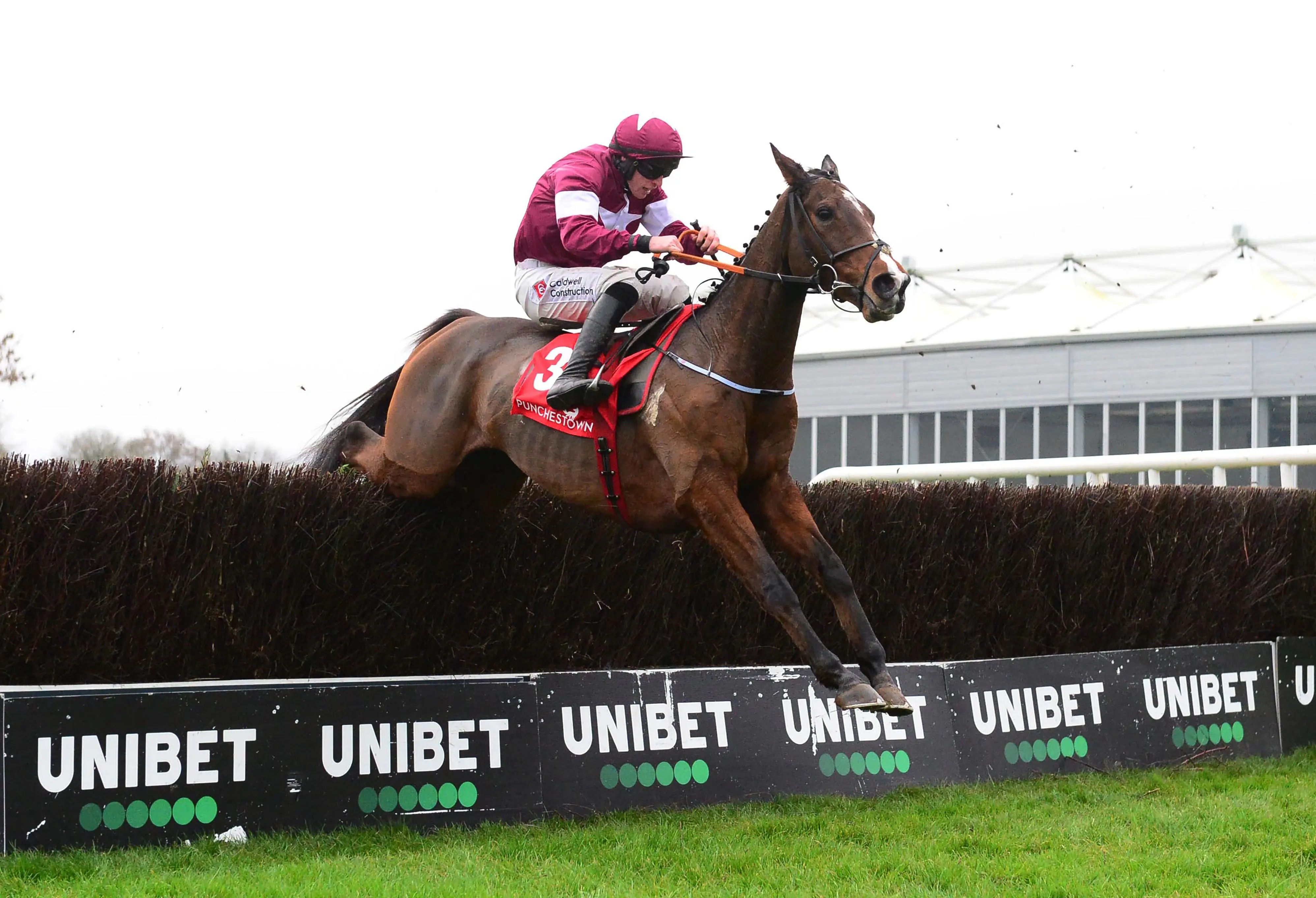
Favori De Champdou is an interesting runner on Friday but will he be having a "sighter" for March?
Every year there is much speculation about good horses having their first cross-country race of any description at the Festival, but only twice have they won. It’s paid to go against the flow and take them on.
The December race has been a slightly better trial overall, having produced ten winners to the November race’s seven. Additionally, the December race has been a strong trial for the handicap version of the Festival race, producing seven of the 11 Festival winners when both races were handicaps.
Last season, the first five home in March all contested the December race, and twice previously it had produced the first three home at the Festival. That all suggests there is a good chance we will see the Festival winner on Friday.
It makes the Festival Cross Country a potential race for long range ante-post betting, especially as it doesn’t get many punters focusing on it at this time of year.
Three of the seven winners of the handicap version of the Festival race that ran in December were doing the double, off 9lb, 6lb and 8lb higher respectively. The fact that it is easier to give weight away in these races has led to four of the twelve winners of the Festival race as a handicap carrying top-weight. It pays to focus on the course specialists rather than those who look well handicapped.
Additionally, I try and work out which horses are having a ”sighter” in the autumn races and will be a different proposition come March. Often debutants are there for the experience to see if they take to it rather than being primed to win. Three of the four who were beaten in December and won the Festival race as a handicap were having their first run at the track in December.
Two interesting newcomers this year are Amirite and Favori De Champdou. The former will have his ground on Friday but Henry de Bromhead is on a losing run of 44. Six of the past eight Festival race winners were stabled at Cullentra House and even though it won’t be as easy for Gordon Elliott now it’s a handicap again, I still think he’s the trainer to follow. My hunch is that both Amirite and Favori de Champdou may be having a sighter on Friday.
Class versus trip conundrum
Sixmilebridge was first past the post on Trials Day at Cheltenham this year and has since switched to chasing
When last season the number of level-weights novice chases at the Festival was reduced from four back to the pre-2010 programme of two, the response in some quarters was predictable but entertaining for all that.
According to some there are a raft of two-and-a-half-mile specialists amongst the top-class novice chasers, who could not run at the Festival as they were ineffective at either two or three miles.
In reality, the vast majority of horses have a range of effective trips but their relative ability compared to the opposition impacts that range. Horses will often win over completely inappropriate trips against rivals 30lb inferior. Their range of effective trips narrows as the opposition gets stronger.
In the novice divisions you have just one crop of horses and so it is much easier for the best novices to win strong races at a range of trips than it is in open company. Neither of the last two Arkle winners, Jango Baie and Gaelic Warriorwere ideally suited by two miles. Gaelic Warrior, like Footpad and My Way De Solzen before him, had been contesting Grade One hurdles over three miles the previous spring. Similarly, the last four Broadway winners had run in graded novice chases only at intermediate trips during the season.
The lesson from this is that in novice chases the best novice will often win an Arkle or Broadway even if their ideal trip is half a mile more or less. It depends on how superior they are but class often trumps ideal conditions. Every year betting in the Arkle and Broadway involves solving that class versus trip conundrum.
It’s therefore important not to pigeon-hole novices as only being effective at a specific trip. There are lots of novice chases that illustrate this during the season, including some that aren’t graded events, such as the 2m4½f Class Two novice chase at Cheltenham on Friday. Runners are 7/53 at the Festival this century – 12pt (22%) profit.
While runners were 2/11 in the now defunct conditions race version of the Golden Miller they also have good records at the extremes of trip – runners in the Arkle finished 2F11 and in the old conditions race National Hunt Chase runners finished 0031.
It’s also worth noting that this race has produced three winners of Festival handicaps – one in each of the Grand Annual, Novice Handicap Chase and Ultima.
Being a non-pattern event, Friday’s race doesn’t have the profile of a lot of graded novice races that attract a similar number of good novices. However, it is usually a strong event and the past five renewals have been shared between the Henderson, Skelton and Nicholls yards with some of their top prospects.
It’s a race to treat seriously as a Festival trial and Sixmilebridge, Royal Infantry and Califet En Vol could all develop into novice chasers for the Festival, but I’d be open-minded in terms of which Festival race they might end up in.
Willie Mullins is a creature of habit

As the season has become more spring focused the strength of beginners’ chases has changed accordingly. The top novice chasers, particularly in the shallower two-mile division, regularly win their first start over fences. The time of the year to see the best beginners’ chases has shifted from October/November to November/December.
For example, six of the first 10 Arkle winners this century had made their chasing debut by the end of October. Only two of the 15 since had, and one was a second season novice who didn’t make his seasonal debut until November.
This has led to races like the 2m½f beginners at Fairyhouse on Saturday producing more top novices than was historically the case when the best novices had already won by now.
Willie Mullins often runs one of his best novices in this. Arkle winner Un De Sceaux was having his second chase start having fallen on debut but Yorkhill (Golden Miller) andEl Fabiolo (Arkle) both started here before Grade One success at the Festival three months later. Only the late blunders stopped Majborough emulating them in last season’s Arkle.
Mullins has won seven of the past 11 renewals, all of them going off favourite. In the other four Hunters Yarn fell when set to win, Terminalwas second and Mullins didn’t have a runner in the other two renewals.
Mullins is a creature of habit and likes to run his better novice chase prospects in certain races – this is one of them. The fact that his main Arkle contender, Kopek Des Bordes, ran at Navan last month - his other favourite beginners’ for his Arkle horses - might mean clues from this race are underestimated by the market.
The most likely scenario is that Mullins doesn’t have an embryonic Grade One horse for this, but it may be that he is targeting it with a horse he expects to leave their hurdling form well behind – such as Dawn Run fourth Karoline Banbou.
Look out for Elliott in the bumper
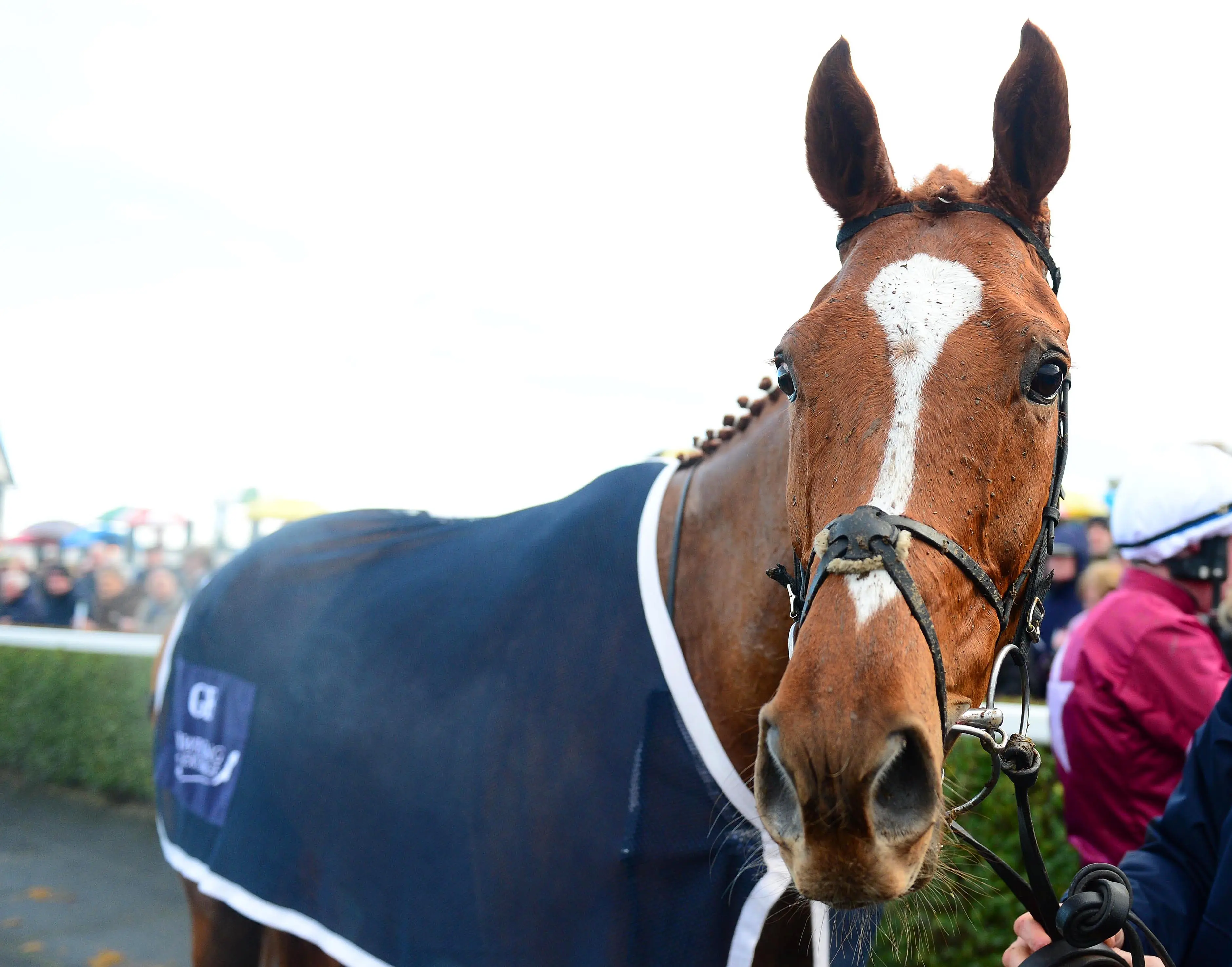
Samcro was among those who took the Navan bumper on his way to bigger things
With the advent of the autumn Festivals in Ireland, Navan’s two-day fixture in mid-November now contains four graded conditions races and the Troytown. That’s left Navan’s card on Sunday low key with six handicaps aimed at 0-120 horses.
It does however also include the Listed Future Champions Bumper which has been a launching pad for stars, mainly trained in recent years by Gordon Elliott who has won seven of the past eight renewals. His winners include Don Cossack, Samcro, Envoi Allen and Sir Gerhard.
Bumpers aren’t everyone’s punting cup of tea but if you do like betting on races like this it’s worth noting that it’s been an extremely predictable race with the last 11 favourites all winning. The last two, Kalypso’chance and The Enabler have gone off odds against, they haven’t all been long odds-on.
In the early years of the Champion Bumper the winners came from a wide diversity of races as there were no trials as such. Increasingly that’s changing and ante-post punters should now have three main stop off points during the season.
The most important of those three is the Dublin Racing Festival. In the eight seasons it has been held the pair of Grade Two bumpers have produced five of the eight Champion Bumper winners - the colts and geldings (3) and the mares (2).
Longer term, the bumpers at Leopardstown’s Christmas Festival have produced eight of the 33 Champion Bumper winners so far. There are four bumpers at the meeting, the programme having changed over the years.
Four of those eight winners, all trained by Mullins, were in the 4-y-o maiden bumper over two miles usually run on the 26th but all four of the current races have produced a Champion Bumper winner so are all worth watching for Cheltenham clues.
The first of those stop off points is the Future Champions Bumper. Since it became a pattern race in 2004, winners have finished 42108P1120 in the Champion Bumper. Elliott has entered Ballyfad, Keep Him Company, Oldschool Outlaw, Panjandrum and Unflinching. History suggests the market will be a good guide to his pecking order if he is mob-handed, and that the winner will be worth following.

Racing TV encourages responsible gambling - to find out more click here to head to our dedicated website page.
Enjoy our YouTube treasure chest!
Related posts
Under The Radar: Paddy Magee nominates three to follow
Ross Millar's Monday tips: "he is undeniably well handicapped"
Bond Thoroughbreds: the inside track on their top team
Trustyourinstinct flies home to land Curragh Cup
William Buick set to be reunited with Touleen at Ascot
Featured offers

Get a £50 free bet when you bet £50 with Coral
T&Cs Apply
Claim Now

Bet £10 get £30 in Free Bets with TalkSportBet
T&Cs Apply
Claim Now

Bet £10 Get £40 in free bets + Money back 2nd to SP fav with BOYLE Sports
T&Cs Apply
Claim Now

Bet £10 get £30 in Free Bets with BallyBet
T&Cs Apply
Claim Now

Bet £10 get £40 in free bets with Kwiff
T&Cs Apply
Claim Now
Copyright 2026 Racing TV - All Rights Reserved.
Please bet responsibly
Copyright 2026. All rights reserved