Jockeys will still be allowed to use the
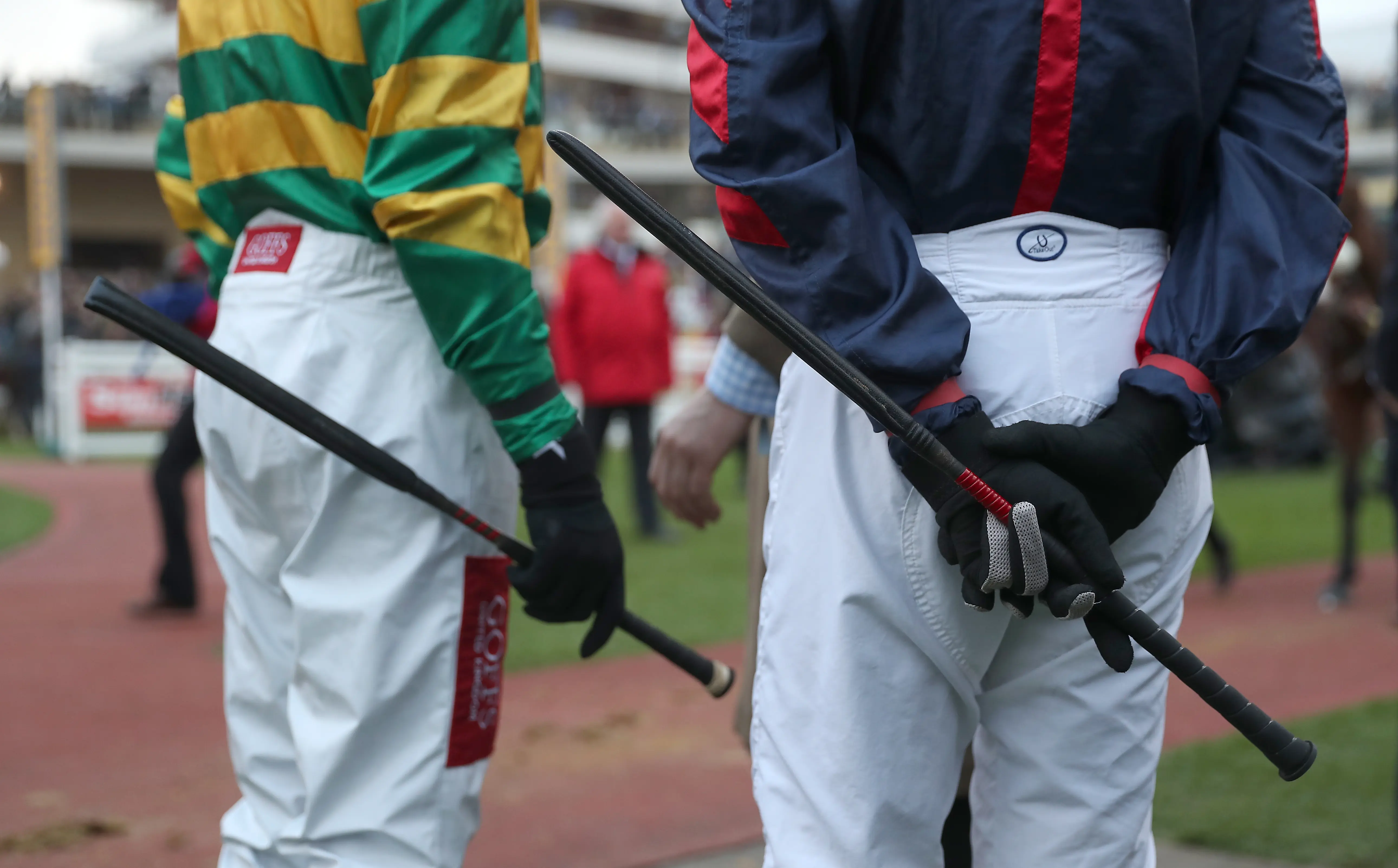
whip in the forehand position under revised changes to riding rules – but the number of times a rider may strike their mount will be further reduced. The implementation of the new rules will begin with a 'bedding-in period' next week.
The British Horseracing Authority first set out a raft of alterations to the rules in the summer, with jockeys only allowed to use the whip in the backhand position and serious breaches of the regulations to result in disqualification from races and possible 28-day bans for riders in major races.
However, a number of riders registered their disquiet over the proposed changes last month, particularly the implementation of the backhand-only position, with the BHA then announcing further consultation to “explore options that address the concerns being raised”.
That discussion has now led to another set of revisions, with the backhand-only edict rescinded, although that change has resulted in a reduction to the permitted number of strikes in a race and the removal of 'discretion' for stewards, meaning every use of the whip shall count towards the threshold unless clearly used for safety purposes.
Flat jockeys had been allowed to use their whip a maximum of seven times, with jump jockeys allowed eight instances. Both numbers have been reduced by one under the new regulations.
Under the initial set of a revisions, a jump jockey who used their whip 12 or more times – with 11 strikes or more for Flat jockeys – in any race could be disqualified, with those numbers now reduced to 11 and 10 respectively.
Following further consultation it was felt that jockeys who had suffered from shoulder or collarbone injuries may find use of the whip solely in the backhand position more challenging.
Penalties for going above the new thresholds will also be further increased from those announced previously.
The implementation of the new rules remains due to come in on January 9 for a four-week bedding-in period. The new rules will come into full force for jump jockeys on February 6.
Flat counterparts begin with a bedding-in period on February 27, with full implementation from March 27.
David Jones, regulatory independent non-executive director for the BHA, and chair of the Whip Consultation Steering Group, said: “An extremely thorough consultation was carried out over the course of 2021 and 2022, followed by an extensive technical discussion phase after the publication of the recommendations in July this year.
“Efforts were taken to listen to the views of jockeys from both codes, over many hours. This consultation has arguably been the most thorough undertaken by the BHA in relation to any specific regulatory reform in the past.
“In order to ensure that this process was suitably rigorous we pushed back the planned autumn implementation date for new rules.
“However, we are committed to listening to our participants, and when further views and information come to light very late in the day, and following the conclusion of that process, we were duty bound to consider it, and make representations to the BHA board accordingly.”
The BHA board insisted the latest changes do not “reflect a dilution of the package of rule changes” in their view, but was instead a “a method of achieving the same outcomes through a different approach”.
BHA chair Joe Saumarez Smith said: “The BHA board had previously endorsed the clear set of objectives set out by the Whip Consultation Steering Group in the summer. They included that the perception of whip use must be improved by ensuring that its use is more judicious and better controlled.
“It became clear through the views raised in the last few weeks, and which were presented to the BHA board, that the backhand-only rule could potentially have caused difficulties for some riders. However, in considering making changes it was essential that the BHA board were not doing anything to dilute the outcome of the whip report.
“The BHA board has therefore agreed these further changes, which resolve the issues with the backhand-only rule, but retain the objective of making whip use visibly more palatable to the public, therefore helping to safeguard engagement with the sport amongst our fans present and future.
“We now hope and expect to see these new rules being respected and a visible change in whip use to be brought about amongst our jockeys, and those riding over here.
“The board also expressed the view that the sport should try to avoid any situation arising again whereby, following the conclusion of an extensive consultation process, further pertinent information comes to light. This point has been strongly emphasised to the PJA and we are pleased that the PJA has agreed to review its consultation processes in the light of this.”
Under the revised penalties, should any jockey now use their whip four times above the permitted level, they will be banned for 14 days (up from 10) and be disqualified, with five strikes above leading to disqualification and a 20-day ban (up from 14).
One strike above the permitted level will now be a four-day ban, as opposed to the three which was announced in November. Two above is seven days instead of five, with three above prompting a 10 day-suspension instead of seven.
All penalties in class one and two races will be doubled, meaning a 40-day ban is possible for a jockey using their whip five times above the permitted number in those races.
Jockeys voice support for changes to whip regulations
Tom Cannon believes whip rules should be “fairly black and white now” after the British Horseracing Authority revised the proposed changes to the current regulations.
The BHA announced a series of alterations to the rules in the summer, with jockeys only allowed to use the whip in the backhand position and serious breaches of the regulations to result in disqualification from races and possible 28-day bans for riders in major races.
However, further revisions were made to those plans after a number of riders registered their disquiet, with the implementation of the backhand-only position proving a particularly unpopular prospect.
The BHA announced on Wednesday that the forehand position would be allowed, but overall permitted use of the whip in races would be reduced while penalties will be made much stiffer, with 40-day bans a possibility for the worst offences in class one and two races.
Flat riders will be allowed to strike their mounts six times in a race, with jump jockeys allowed seven uses of the whip – a compromise which Cannon feels is satisfactory when combined with tougher penalties.
He said: “They were pushing for us to use the backhand and it is what it is now. The forehand position looks better, it looks better to ride with, better for the horses, so hopefully common sense has prevailed. So, hopefully we can just get on with it now and concentrate on the racing.
“I was involved later on (with discussions) but not to begin with, like a lot of us were. A lot of us were not in the initial discussions, but it got a lot more serious and as time went on and we realised that they were coming in and a lot of us got involved.
“I think common sense has prevailed and while there will be a few bans dotted about, that is going to be the case whatever. We just have to concentrate on the racing now, which won’t be affected.
“We said that using it in the backhand position was not great for the horses, as a lot of jockeys can’t use it properly in that position and you are hitting them down the ribs a lot. That opens up a can of worms in itself.
“Losing one hit and getting stronger penalties takes the grey area out of it and it is fairly black and white now. Hopefully, it is something everyone can abide by and it is definitely an improvement on what they suggested first time around.”
Charlie Deutsch reported the “majority” of riders to be happy with the changes and believes it should benefit their equine partners too.
He said: “I think it is a better way forward – just the technique is better, basically. And that makes it easier for jockeys to land the whip in the right place.
“With the backhand, you are more likely to get their ribs, instead of their rump. You want to be going for the fleshy backend, which is very important.
“It would have been a big old problem for a few years (if the proposed rules had not been changed), so all credit to the BHA for changing their minds so quickly, so we can get it done, move on and get some good publicity.
“If they have to do something, then they have to be harsh with the way it is going. The majority of the weighing room are happy. I just spoke to the lads towards the latter stages, but left it to the senior jockeys.”
Sean Bowen incurred a four-day ban for his winning ride aboard Noble Yeats in the Many Clouds Chase at Aintree last month, when the stewards found he had hit his mount in the wrong place as he practiced his backhand whip use in the finish.
He said: “It is massive for me more than a lot of people, because I have always had a backhand issue, trying to get it all the way back you do find sometimes you are hitting the horse in the wrong place in the backhand, I’ve been trying to adapt myself – then the new rules came out last night. I got myself a ban for no reason whatsoever.
“Hitting them in the forehand is the correct way and the penalties go up at the same time, which is also correct.”
Bowen welcomed the BHA’s stronger penalty structure, with a minimum ban of four days for exceeding the permitted limit once, rising to 20 days and disqualification for five hits in standard races – a ban that will be doubled for the major contests.
He added: “It needs to happen. There were too many jockeys trying to use their backhand, using it above shoulder height and hitting them in the wrong place and it wasn’t going to work. The penalties have gone up and (that) needed to be done and it will stop anyone ever thinking one more will do.
“The boys are delighted. I’ve picked up two or three bans in the last month, trying to use my backhand and trying to get used to it. I’ve done it all for no reason, but the correct decision has been made.
“I think the stewards and also us, when we were trying to do it, we thought at the time it might not be great. But when were were really trying, it wasn’t working whatsoever and everyone realised it was going to be a disaster, especially before Cheltenham and it was going to ruin our sport.”
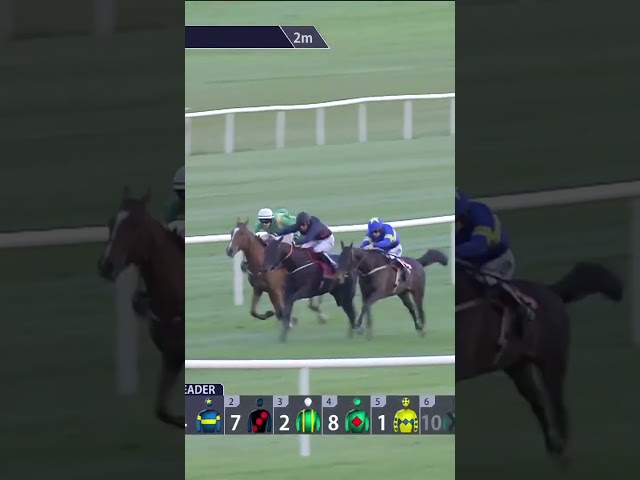 0:25
0:25
Emerald Enigma gamely wins at Punchestown!
Must-see compilations and best bits ➡️ http://y2u.be/Kfl2CXtG6xA
Greatest Hits! Some of our most amazing action ➡️ http://y2u.be/AfNpAewK4m4
Feature-length documentaries for racing lovers ➡️ http://y2u.be/xIprr1hNCeA
Thrills, spills and funnies! ➡️ http://y2u.be/AHqOQUnNhXo
Racing Greats ➡️ http://y2u.be/74MKoH7TLIE
All the best Group One and Grade One action ➡️ http://y2u.be/mOq9ZgMn_ME
Welcome to the official YouTube channel of Racing TV, the UK's leading horse racing channel showing live racing from the best racecourses in Great Britain and Ireland.
Subscribe to Racing TV's free YouTube channel and get closer to the sport we all love. If you want to watch unmissable moments from the world of racing and exclusive interviews and highlights from our specialist shows then this is the place for you! https://bit.ly/2RHbyMa
You can also find us on Sky 424 or Virgin Media 536 (411 in Ireland): https://t.co/xkJ0xBrDcm
Also watch Racing TV at racingtv.com and via our iPhone, iPad and Android apps: https://t.co/CwcklwUMHs
Read less
 0:56
0:56
Colin Keane after Legacy Link booked her ticket to the Betfred Oaks with a battling victory over Felicitas in a thrilling Tattersalls Musidora Stakes at York.
Must-see compilations and best bits ➡️ http://y2u.be/Kfl2CXtG6xA
Greatest Hits! Some of our most amazing action ➡️ http://y2u.be/AfNpAewK4m4
Feature-length documentaries for racing lovers ➡️ http://y2u.be/xIprr1hNCeA
Thrills, spills and funnies! ➡️ http://y2u.be/AHqOQUnNhXo
Racing Greats ➡️ http://y2u.be/74MKoH7TLIE
All the best Group One and Grade One action ➡️ http://y2u.be/mOq9ZgMn_ME
Welcome to the official YouTube channel of Racing TV, the UK's leading horse racing channel showing live racing from the best racecourses in Great Britain and Ireland.
Subscribe to Racing TV's free YouTube channel and get closer to the sport we all love. If you want to watch unmissable moments from the world of racing and exclusive interviews and highlights from our specialist shows then this is the place for you! https://bit.ly/2RHbyMa
You can also find us on Sky 424 or Virgin Media 536 (411 in Ireland): https://t.co/xkJ0xBrDcm
Also watch Racing TV at racingtv.com and via our iPhone, iPad and Android apps: https://t.co/CwcklwUMHs
Read less
 12:55
12:55
Legacy Link booked her ticket to the Betfred Oaks with a battling victory over Felicitas in a thrilling Tattersalls Musidora Stakes at York.
Fourth in the Fillies’ Mile at the end of last season, Legacy Link was a 6-4 favourite to enhance her Classic credentials under Colin Keane and the Juddmonte number one was happy to track the pace in the early stages as Moments Of Joy and Sea The Storm disputed matters.
Ed Walker’s impressive Sandown scorer Felicitas was never far away from Legacy Link and although Keane made the first move entering the home straight, injecting some pace and moving strongly past the front-runners, Kieran Shoemark was quickly alongside aboard the 5-2 second favourite.
A titanic battle would soon ensue up the Knavesmire, but it was the Clarehaven filly who advertised her tenacity at the finish, shading a three-quarters of a length verdict after a great duel worthy of the day’s feature event.
It was a ninth Musidora for John Gosden and a third alongside son Thady, with the victory moving Gosden senior alongside Sir Henry Cecil as the race’s most successful trainer.
Of Legacy Link, he said: “She did well. She was a little green early on, fresh first time out and broke away from the others on the outside.
“She got herself organised, then she got on the wrong lead around the bend, so just learning a bit.
“What I liked was she came through the race, looked like she’d done enough and then the second filly came to her, and that’s a very nice filly too – I thought she was superb the other day at Sandown.
“I think to that extent it was a very good trial, I liked the way she fought back and saw it out strongly.”
Betfred cut Legacy Link to 5-1 from 8-1 for the Oaks and she looks set to get an early sighter of the Epsom undulations later this month.
Gosden added: “Colin feels she should go to Epsom. We have the Prix de Diane, but all being well she’ll go to Epsom.
“She has a great mind on her but was short of match practice. I think she can do nothing but improve for the race and we could take her to the gallops morning at Epsom. If she’s in good order she can go and have a spin around Tattenham Corner and learn about the track at three-quarter pace.”
Jockey Kieran Shoemark was pleased with the performance of the runner-up Felicitas. He said: “That was a huge run and she is a very exciting filly, it is only her third start so we’re really pleased with her.
“I’m not convinced she will stay further, something like the Prix De Diane (could be an option) possibly.”
K Sarra was doing her best work at the finish, staying on into third for Ralph Beckett.
“She stayed on nicely. Her pedigree says she’ll get a mile and a half,” said rider Rossa Ryan.
“She was very green throughout the race but I’d say from a furlong and a half down the penny dropped.
“It’s fair to say if there was a little bit further I might have got there, she’s definitely going the right way and she’s a bit more chilled out than her brother (Pride Of Arras).
“Hopefully she’s got a good future.”
Must-see compilations and best bits ➡️ http://y2u.be/Kfl2CXtG6xA
Greatest Hits! Some of our most amazing action ➡️ http://y2u.be/AfNpAewK4m4
Feature-length documentaries for racing lovers ➡️ http://y2u.be/xIprr1hNCeA
Thrills, spills and funnies! ➡️ http://y2u.be/AHqOQUnNhXo
Racing Greats ➡️ http://y2u.be/74MKoH7TLIE
All the best Group One and Grade One action ➡️ http://y2u.be/mOq9ZgMn_ME
Welcome to the official YouTube channel of Racing TV, the UK's leading horse racing channel showing live racing from the best racecourses in Great Britain and Ireland.
Subscribe to Racing TV's free YouTube channel and get closer to the sport we all love. If you want to watch unmissable moments from the world of racing and exclusive interviews and highlights from our specialist shows then this is the place for you! https://bit.ly/2RHbyMa
You can also find us on Sky 424 or Virgin Media 536 (411 in Ireland): https://t.co/xkJ0xBrDcm
Also watch Racing TV at racingtv.com and via our iPhone, iPad and Android apps: https://t.co/CwcklwUMHs
Read less
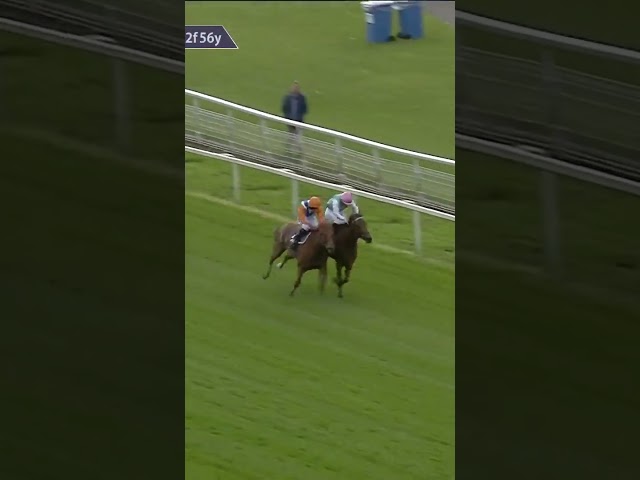 0:22
0:22
Legacy Link makes a winning return in the Musidora.
Must-see compilations and best bits ➡️ http://y2u.be/Kfl2CXtG6xA
Greatest Hits! Some of our most amazing action ➡️ http://y2u.be/AfNpAewK4m4
Feature-length documentaries for racing lovers ➡️ http://y2u.be/xIprr1hNCeA
Thrills, spills and funnies! ➡️ http://y2u.be/AHqOQUnNhXo
Racing Greats ➡️ http://y2u.be/74MKoH7TLIE
All the best Group One and Grade One action ➡️ http://y2u.be/mOq9ZgMn_ME
Welcome to the official YouTube channel of Racing TV, the UK's leading horse racing channel showing live racing from the best racecourses in Great Britain and Ireland.
Subscribe to Racing TV's free YouTube channel and get closer to the sport we all love. If you want to watch unmissable moments from the world of racing and exclusive interviews and highlights from our specialist shows then this is the place for you! https://bit.ly/2RHbyMa
You can also find us on Sky 424 or Virgin Media 536 (411 in Ireland): https://t.co/xkJ0xBrDcm
Also watch Racing TV at racingtv.com and via our iPhone, iPad and Android apps: https://t.co/CwcklwUMHs
Read less
 11:05
11:05
Elmonjed announced himself as a sprinter on the rise with a commanding victory in the Go Local Stores Minster Stakes at York.
A winner of three of his four previous starts on the Knavesmire, including a Listed success here in September, William Haggas’ five-year-old was sent off 8-1 in the hands of William Buick for what was his second outing of the season having blown away the cobwebs at Newmarket last month.
In no rush tracking the pace on the far side of the track, Buick soon manoeuvred his mount into a position to strike and he breezed passed the reappearing Group One winner Kind Of Blue before surging to a length success over James Fanshawe’s 4-1 joint favourite for what was a clear career-best performance.
The race Elmonjed won in September was the one in which Jim Crowley and Trevor Whelan suffered serious injuries and are still sidelined.
Haggas said: “He really loves this track. I think the draw helped today.
“He’s a really tough horse, he’s gone from handicaps and won the Listed in September. We kept him in training to win this race as we thought we may as well have a go at a Group Two.”
Almeraq was Crowley’s mount that day and remains with Haggas.
“Almeraq is fine, he worked this morning, he’s sound and I’m happy with him, he’s pencilled in to run next weekend either at Salisbury or in the Greenlands Stakes at the Curragh but he could do with a bit of rain.
“He’ll need his first run, he was a bit shook up after the fall but obviously not as badly as Jim and Trevor.”
As for future plans for Elmonjed he said: “He’s in the Wokingham but I don’t suppose he’ll be running in it.
“I didn’t put him in the Jubilee at Ascot so I suppose we’ll have a go at the Prix Maurice de Gheest, off the top of my head. A fast, flat track is what he likes and he needs to go for a Group One now.
“Whether we put him in the July Cup we’ll see but the Nunthorpe is too sharp for him. Maybe the Al Quoz Sprint in Dubai.”
Fanshawe said of the runner-up: “I’m very happy with that for his first run back, we’ve just had a much clearer run with him this spring.
“Last year was really messy, but he’s really behaved today and he ran a really good race apart from not winning.
“He’ll definitely go to Ascot all being well, if he’s in one piece.”
Another Group One winner, Regional, was third for Ed Bethell who said: “We’re delighted with him, he will go straight to Ascot now for six furlong race on the Saturday (Queen Elizabeth II Jubilee Stakes).”
Must-see compilations and best bits ➡️ http://y2u.be/Kfl2CXtG6xA
Greatest Hits! Some of our most amazing action ➡️ http://y2u.be/AfNpAewK4m4
Feature-length documentaries for racing lovers ➡️ http://y2u.be/xIprr1hNCeA
Thrills, spills and funnies! ➡️ http://y2u.be/AHqOQUnNhXo
Racing Greats ➡️ http://y2u.be/74MKoH7TLIE
All the best Group One and Grade One action ➡️ http://y2u.be/mOq9ZgMn_ME
Welcome to the official YouTube channel of Racing TV, the UK's leading horse racing channel showing live racing from the best racecourses in Great Britain and Ireland.
Subscribe to Racing TV's free YouTube channel and get closer to the sport we all love. If you want to watch unmissable moments from the world of racing and exclusive interviews and highlights from our specialist shows then this is the place for you! https://bit.ly/2RHbyMa
You can also find us on Sky 424 or Virgin Media 536 (411 in Ireland): https://t.co/xkJ0xBrDcm
Also watch Racing TV at racingtv.com and via our iPhone, iPad and Android apps: https://t.co/CwcklwUMHs
Read less
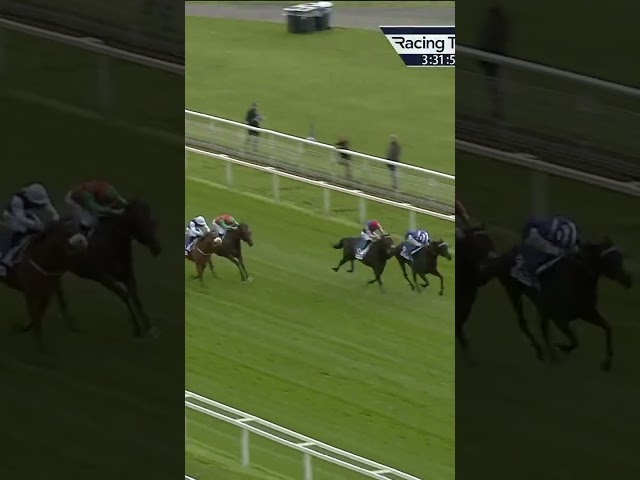 0:17
0:17
A nice performance from Elmonjed in the Minster Stakes!
Must-see compilations and best bits ➡️ http://y2u.be/Kfl2CXtG6xA
Greatest Hits! Some of our most amazing action ➡️ http://y2u.be/AfNpAewK4m4
Feature-length documentaries for racing lovers ➡️ http://y2u.be/xIprr1hNCeA
Thrills, spills and funnies! ➡️ http://y2u.be/AHqOQUnNhXo
Racing Greats ➡️ http://y2u.be/74MKoH7TLIE
All the best Group One and Grade One action ➡️ http://y2u.be/mOq9ZgMn_ME
Welcome to the official YouTube channel of Racing TV, the UK's leading horse racing channel showing live racing from the best racecourses in Great Britain and Ireland.
Subscribe to Racing TV's free YouTube channel and get closer to the sport we all love. If you want to watch unmissable moments from the world of racing and exclusive interviews and highlights from our specialist shows then this is the place for you! https://bit.ly/2RHbyMa
You can also find us on Sky 424 or Virgin Media 536 (411 in Ireland): https://t.co/xkJ0xBrDcm
Also watch Racing TV at racingtv.com and via our iPhone, iPad and Android apps: https://t.co/CwcklwUMHs
Read less
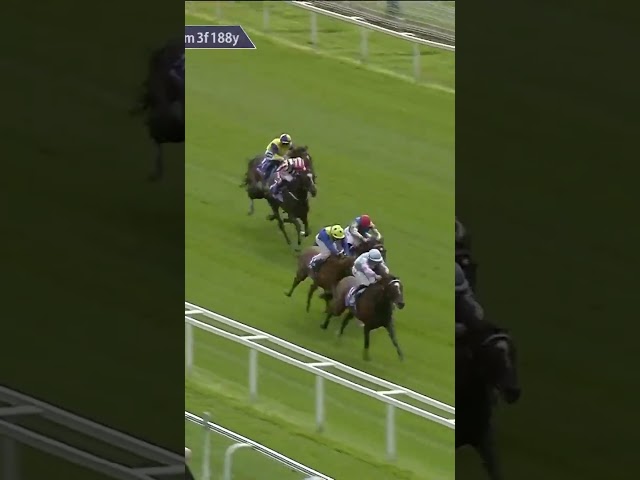 0:17
0:17
A taking performance from Klassleader in the Jorvik!
Must-see compilations and best bits ➡️ http://y2u.be/Kfl2CXtG6xA
Greatest Hits! Some of our most amazing action ➡️ http://y2u.be/AfNpAewK4m4
Feature-length documentaries for racing lovers ➡️ http://y2u.be/xIprr1hNCeA
Thrills, spills and funnies! ➡️ http://y2u.be/AHqOQUnNhXo
Racing Greats ➡️ http://y2u.be/74MKoH7TLIE
All the best Group One and Grade One action ➡️ http://y2u.be/mOq9ZgMn_ME
Welcome to the official YouTube channel of Racing TV, the UK's leading horse racing channel showing live racing from the best racecourses in Great Britain and Ireland.
Subscribe to Racing TV's free YouTube channel and get closer to the sport we all love. If you want to watch unmissable moments from the world of racing and exclusive interviews and highlights from our specialist shows then this is the place for you! https://bit.ly/2RHbyMa
You can also find us on Sky 424 or Virgin Media 536 (411 in Ireland): https://t.co/xkJ0xBrDcm
Also watch Racing TV at racingtv.com and via our iPhone, iPad and Android apps: https://t.co/CwcklwUMHs
Read less
 0:20
0:20
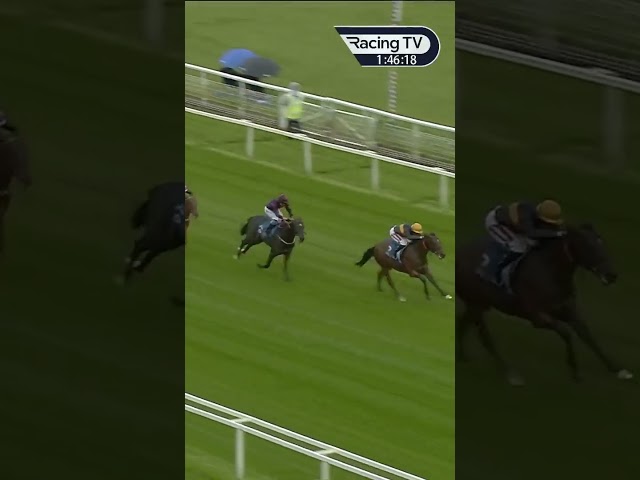
The season is up and running at York! Cut A Dash impresses in the opener!
Must-see compilations and best bits ➡️ http://y2u.be/Kfl2CXtG6xA
Greatest Hits! Some of our most amazing action ➡️ http://y2u.be/AfNpAewK4m4
Feature-length documentaries for racing lovers ➡️ http://y2u.be/xIprr1hNCeA
Thrills, spills and funnies! ➡️ http://y2u.be/AHqOQUnNhXo
Racing Greats ➡️ http://y2u.be/74MKoH7TLIE
All the best Group One and Grade One action ➡️ http://y2u.be/mOq9ZgMn_ME
Welcome to the official YouTube channel of Racing TV, the UK's leading horse racing channel showing live racing from the best racecourses in Great Britain and Ireland.
Subscribe to Racing TV's free YouTube channel and get closer to the sport we all love. If you want to watch unmissable moments from the world of racing and exclusive interviews and highlights from our specialist shows then this is the place for you! https://bit.ly/2RHbyMa
You can also find us on Sky 424 or Virgin Media 536 (411 in Ireland): https://t.co/xkJ0xBrDcm
Also watch Racing TV at racingtv.com and via our iPhone, iPad and Android apps: https://t.co/CwcklwUMHs
Read less
 29:45
29:45
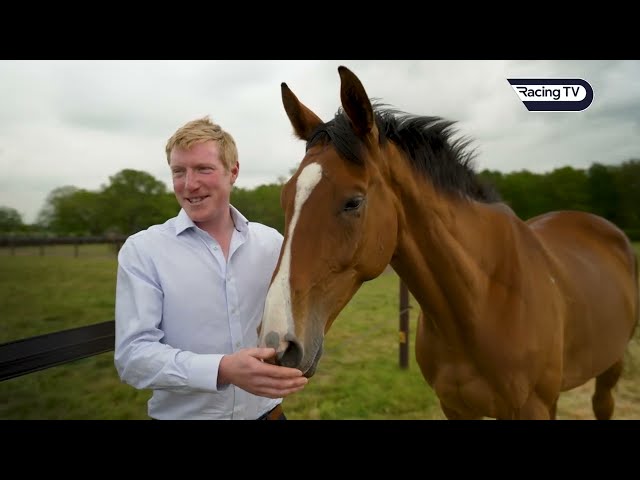
On this week's This Racing Life, Josh Stacey visits young trainer Ollie Sangster to hear about his early success and next steps for the business.
We catch up with 16-year-old jockey Harry Vigors to discuss the start of his career; followed by a chat to Ed Bailey, bloodstock agent to Harry Derham and other successful outfits.
Finally, we hear from Tom Strawson, ex P2P jockey to hear about his upcoming week at Badminton 5* aboard ex racehorse Public Address.
Must-see compilations and best bits ➡️ http://y2u.be/Kfl2CXtG6xA
Greatest Hits! Some of our most amazing action ➡️ http://y2u.be/AfNpAewK4m4
Feature-length documentaries for racing lovers ➡️ http://y2u.be/xIprr1hNCeA
Thrills, spills and funnies! ➡️ http://y2u.be/AHqOQUnNhXo
Racing Greats ➡️ http://y2u.be/74MKoH7TLIE
All the best Group One and Grade One action ➡️ http://y2u.be/mOq9ZgMn_ME
Welcome to the official YouTube channel of Racing TV, the UK's leading horse racing channel showing live racing from the best racecourses in Great Britain and Ireland.
Subscribe to Racing TV's free YouTube channel and get closer to the sport we all love. If you want to watch unmissable moments from the world of racing and exclusive interviews and highlights from our specialist shows then this is the place for you! https://bit.ly/2RHbyMa
You can also find us on Sky 424 or Virgin Media 536 (411 in Ireland): https://t.co/xkJ0xBrDcm
Also watch Racing TV at racingtv.com and via our iPhone, iPad and Android apps: https://t.co/CwcklwUMHs
Read less

 SUBSCRIBE