Login
WATCH FREE

Cheltenham Festival: is Champion Hurdle girl power here to stay?

By Andy Stephens
Last Updated: Tue 21 Jan 2025
Girl power has become more prevalent in the Unibet Champion Hurdle in the past decade but are we merely enjoying a golden era for mares or has the one-time chasm between them and geldings been bridged?
The Champion Hurdle was first run almost a century ago, but only six mares have won it. Yet four of the past nine renewals have been scooped by the female of the species and they have two more excellent candidates for this year’s renewal, for which entries will be revealed on Tuesday, in Brighterdaysahead and Lossiemouth.
The pair are both quoted at 5/1 in the ante-post betting, with only Constitution Hill ahead of them in the market. But connections of the dynamic duo, who between them have won 18 of their 21 races, will also have the option of avoiding that unbeaten giant by running in the Close Brothers Mares’ Hurdle over half a mile further on the same day, albeit with a lot less money on the table.
We’ve been here before, of course, in recent years with such as Quevega, Vroum Vroum Mag, Apple’s Jade, Benie Des Dieux, Annie Power, Honeysuckle and Lossiemouth winning editions of the Mares’ Hurdle (or falling at the final flight with the race at their mercy) when they may well have made an impact in that year’s Champion Hurdle.
It is a topic guaranteed to get racing fans hot under the collar, but a little history lesson may help calm a few temperatures.
For a long while the racing programme offered little incentive for owners to campaign fillies/mares in the National Hunt arena. There was no specific programme for them and had to compete on level weights. Consequently, they were something of a novelty when appearing on a racecard.
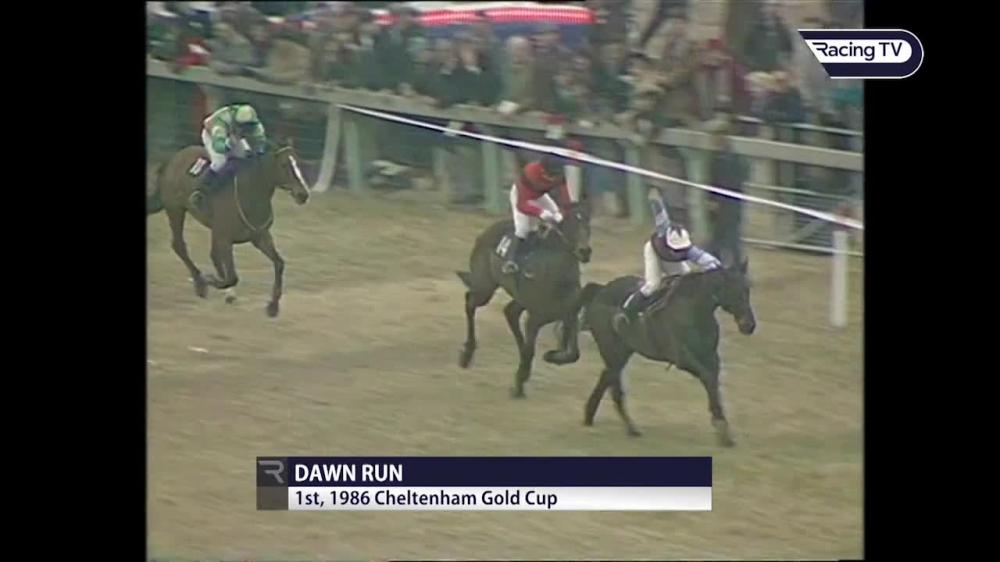
Jonjo O'Neill reflects on Dawn Run, who he guided to Champion Hurdle and Gold Cup glory
The introduction of a 5lb weights allowance for mares in the 1980s helped change the scenery a little and, soon after, Dawn Run became only the second of her sex to win the Champion Hurdle.
She galloped her rivals into submission from the front in 1984 but needed every ounce of that allowance to repel the late challenge of Cima.
The powerfully built Dawn Run was a beauty and a beast rolled into one, going on to make history with her Gold Cup victory two years later, but her triumphs did not open the floodgates for the equine sisterhood, with the final three-day Festival in 2004 being a typical example of their continued sparsity.
The races over hurdles/fences at the meeting featured 322 runners but just seven of them were mares (2.17%), with four of those running in the handicaps.
Research undertaken by the BHA led to their allowance being increased to 7lb during the summer of that year. Studies indicated that the median rating of mares was 10lb lower than that of male horses, and a spokesman said at the time: “It is intended that this imbalance can be redressed to an extent by having a 7lb allowance across the board, which it is also hoped will encourage mares to stay in training.”
The following year (2005) was the first four-day Cheltenham Festival. There were no races specifically for mares, yet only 22 of the 468 runners were females (4.7%). Only six of them contested the Grade One races, with none making any impression.
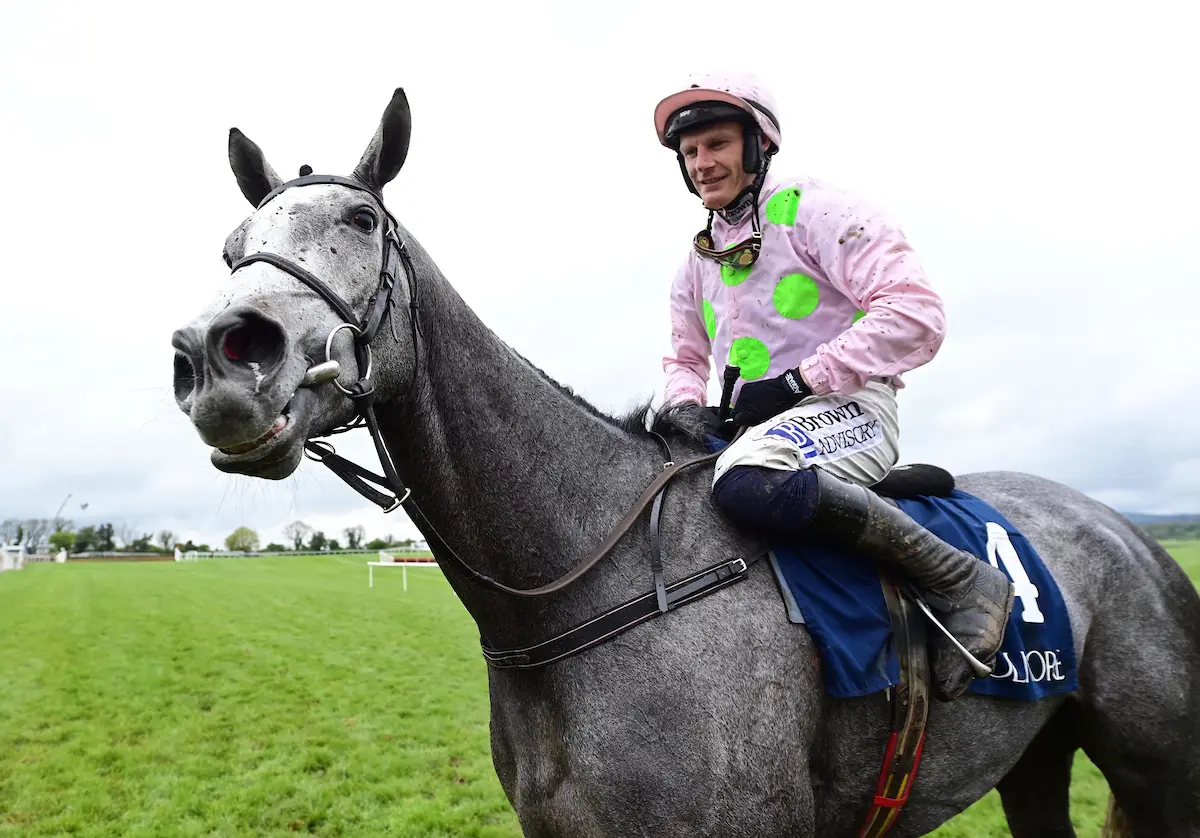
Lossiemouth won the Mares' Hurdle last year (Healy Racing)
Fast forward to last year and lots of chatter about the three dedicated mares’ races at the meeting diluting the rest of the Festival and lessening the competition (reminder: seven mares ran at Cheltenham as recently as 2004).
Twenty-seven mares ran in the contests framed for them, while another 21 took part in the other races from 339 runners (6.19%). So, numerically, their numbers are on the increase, even if you disregard the races created for them.
In 2018, the total prize fund of the Jump mares’ race programme was more than £3.3 million, a significant increase on the amount invested in 2005. This level of investment has enabled the BHA to develop what they describe as “a comprehensive, valuable and aspirational race programme which allows mares to be campaigned ambitiously over a period of time, thereby increasing the attractiveness of breeding, owning and training a Jumping mare”.
And the numbers support that theory. Overall, mares in training over Jumps have increased from 19.7% of the horse population to 23.9% in the past decade, while individual runners have increased from 19.5% to 23.5%. And individual runners rated 140-plus have leapt from 3.9% to 9.1%.
Back to the Champion Hurdle. It was first run in 1927 and only six mares have won it: African Star (1939), Dawn Run (1984), Flakey Dove (1994), Annie Power (2016), Epatante (2020) and Honeysuckle (2021 & 2022). We will never be sure, but you can reasonably argue that all bar Dawn Run and Flakey Dove would have won on level weights.

Honeysuckle won two editions of the Champion Hurdle sandwiched in between two victories in the Mares' Hurdle. She had also been an intended runner in the mares' novices' hurdle at Cheltenham before those victories but was a late non-runner
This century, mares have accounted for just 16 of the 297 runners (5.38%) to have taken part in the two-mile showpiece. Between 2010 and 2018, their only representative was Annie Power, who won in 2016, but in recent years they have become a formidable presence.
Apple’s Jade, Laurina and Verdana Blue all contested the 2019 renewal, while Epatante won the following year. She was also placed in the successive editions won by Honeysuckle, while Luccia finished third at 33/1 last year.
Is it just a coincidence that the mares’ programme (and relatively new races specifically for them) has come along at the same time? Maybe you cannot have one, without the other, much as the Arkle is a stepping stone to next year’s Champion Chase and the Brown Advisory is regarded as a natural path to the Gold Cup.
The recent purple patch of mares has provoked more debate about whether the 7lb allowance should be reduced, or even scrapped altogether.
However, that conveniently ignores the fact that since the 2004/05 season (when the allowance was increased) no mare has won the Cheltenham Gold Cup (just one runner in the race out of 270), or the Stayers’ Hurdle (ten runners out of 276) or Ryanair Chase (five runners from 207). And only one (Put The Kettle On in 2021) has scooped the Champion Chase (three runners from 177).
Mares continue to play a small but pivotal part in the very biggest races at the Festival. Which contests some end up in will no doubt continue to cause grumbles this year and beyond.
But perhaps we should just be grateful there will be far more than seven to consider in the first place.

https://www.racingtv.com/competition/drf25
Related posts
Sheikh Ahmed bin Rashid Al Maktoum dies aged 76
Richard Hannon breaks new ground with North American winner
Guinness Kerry National: guide to the key players
Craig Williams booked for James J Braddock mount in Melbourne Cup
Winless Ones To Watch: five more Jumps horses to follow this season
Featured offers

Get 50% back up to £50 with QuinnBet
T&Cs Apply
Claim Now
New UK Customers Only. Bet £10+ on any sportsbook markets at odds of evens (2.00) or greater. Get 50% back of your first day’s losses as a Free Bet up to £50, valid for 7 days. 18+ GambleAware.

Bet £10 Get £40 in free bets + Money back 2nd to SP fav with BOYLE Sports
T&Cs Apply
Claim Now
BOYLE Sports: Bet £10 Get £40 in free bets + Money back 2nd to SP fav with BOYLE Sports. 18+ GambleAware

Bet £20 and Get £40 in Free Bets with Unibet
T&Cs Apply
Claim Now
Unibet: Bet £20 and Get £40 in Free Bets with Unibet

Bet £10 get £30 in Free Bets with talkSPORT BET
T&Cs Apply
Claim Now
talkSPORT BET: Bet £10 get £30 in Horse Racing Free Bets. 18+ GambleAware

Bet £10 get £40 in free bets with Kwiff
T&Cs Apply
Claim Now
New UK customers. Place a £10 real money bet at min. 2.0 odds within 5 days of deposit. Get 4 x £10 Free Bets: 1 Single, 2 Accas & 1 Bet Builder (min. 3 selections each). Excludes cashout, E/W, Multis, Ineligible Markets & Odds Boosts. Credited after bet settlement. 7-day expiry. T&Cs apply. 18+ GambleAware
Copyright 2026 Racing TV - All Rights Reserved.
Please bet responsibly
Copyright 2026. All rights reserved